Minimalist Skincare: A Simple Routine That Really Works
Learn how to build a simple, affordable minimalist skincare routine that supports healthy, glowing skin without the clutter.
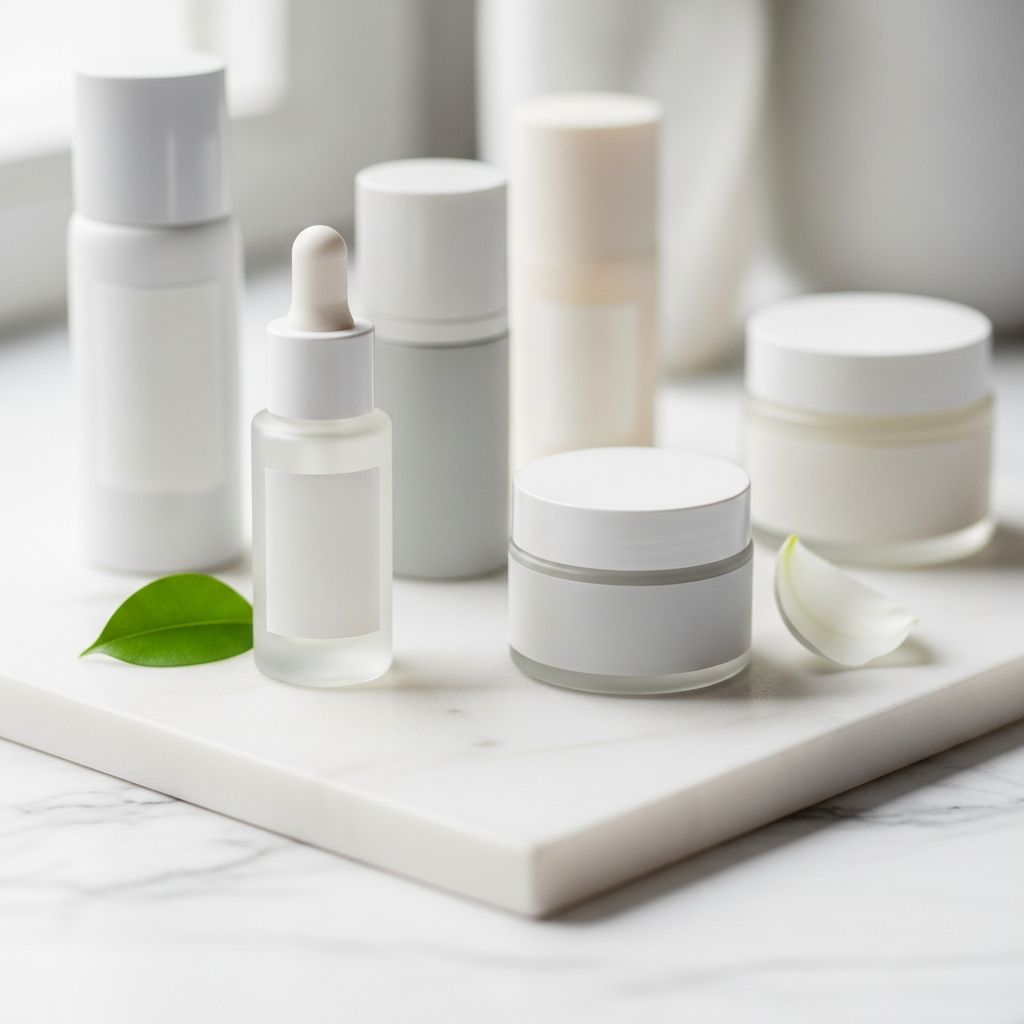
Minimalist skincare is all about doing more for your skin with fewer products. Instead of a drawer full of cleansers, serums, and masks, you focus on a few well-chosen essentials that support your skin barrier, fit your lifestyle, and stay within your budget.
This guide walks you through what minimalist skincare is, why it works, the core products you actually need, and how to build a streamlined routine that keeps your skin healthy and your spending under control.
What Is Minimalist Skincare?
Minimalist skincare (often called skinimalism) is a “less is more” approach that prioritizes:
- Fewer steps
- Multi-tasking products
- Consistency over constant experimentation
Instead of layering many active ingredients at once, you build a routine around basic needs: cleansing, moisturizing, and sun protection, then add only targeted treatments where they are truly needed.
This approach has grown in popularity as people look for routines that are easier to stick to, more affordable, and gentler on the skin barrier and the environment.
Why Choose A Minimalist Skincare Routine?
A minimal routine is not just simpler; it can also be more effective. Dermatology experts note several advantages when you scale back and focus on essentials.
Key Benefits Of Minimalist Skincare
- Saves time and mental energy
Fewer steps mean your morning and night routines are quick, predictable, and realistic to maintain every day. - Reduces risk of irritation
Layering many active ingredients can disrupt the skin barrier and cause redness, dryness, or breakouts. Simplifying reduces interactions between potentially harsh or conflicting ingredients. - Supports the skin barrier
When you focus on gentle cleansing, hydration, and sunscreen, you allow the skin’s natural barrier to repair and function properly, which is essential for preventing sensitivity and environmental damage. - Makes it easier to see what works
With fewer products, you can better identify which product is helping—or causing issues—because you are changing fewer variables at once. - Saves money and cuts clutter
Instead of buying many single-purpose products, you invest in a small number of high-value, multi-functional formulas. That’s gentler on your budget and your storage space.
How Minimalist Skincare Supports Healthy Skin
The outermost layer of skin, the stratum corneum, acts as a barrier that helps maintain hydration and protects against irritants, pollutants, and pathogens. Over-exfoliating or combining too many actives can damage this barrier, leading to dryness, sensitivity, and inflammation.
A minimalist routine helps by:
- Using gentle cleansers that do not strip natural oils
- Including moisturizers with ingredients like ceramides and humectants to support barrier repair
- Applying broad-spectrum sunscreen daily to prevent UV damage, which accelerates aging and can increase skin cancer risk
Core Principles Of A Minimal Routine
Even though every skin type is different, most minimalist skincare routines rest on the same three pillars.
| Step | Why It Matters | What To Look For |
|---|---|---|
| Cleanser | Removes dirt, oil, and sunscreen without over-drying. | Gentle, non-stripping, pH-balanced; fragrance-free if sensitive. |
| Moisturizer | Maintains hydration and supports the skin barrier. | Lightweight for oily skin; richer cream for dry; non-comedogenic. |
| Sunscreen | Protects from UV damage that causes premature aging and skin cancer. | Broad-spectrum SPF 30 or higher; cosmetically elegant so you’ll wear it daily. |
Step-By-Step Minimalist Skincare Routine
Below is a simple routine you can adapt for different skin types and budgets.
Morning Routine (AM)
- Step 1: Gentle cleanse (optional for very dry skin)
If your skin is oily or you used heavy products overnight, wash with a mild cleanser. For very dry or sensitive skin, some dermatology guidelines support rinsing with lukewarm water only in the morning, as long as you thoroughly cleanse at night. - Step 2: Moisturize
Apply a lightweight moisturizer to slightly damp skin to lock in hydration. Look for ingredients such as glycerin, hyaluronic acid, or ceramides for barrier support. - Step 3: Sunscreen (non-negotiable)
Apply a broad-spectrum SPF 30 or higher to all exposed skin every morning, even on cloudy days. Major dermatology organizations emphasize that daily sunscreen use reduces the risk of skin cancer and photoaging.
Evening Routine (PM)
- Step 1: Cleanser
Remove makeup, sunscreen, and pollutants with a gentle cleanser. You can use an oil or balm first if you wear heavy makeup, followed by a mild water-based cleanser if needed (double cleansing), but many people can stick to one well-formulated cleanser. - Step 2: Targeted treatment (optional)
If you have a specific concern—like dark spots, acne, or fine lines—you may add one treatment product such as a vitamin C serum, niacinamide, or retinoid, introduced slowly and not all at once. - Step 3: Moisturizer
Finish with a moisturizer suitable for your skin type. At night you can often tolerate a slightly richer texture to support overnight repair.
Choosing Products For A Minimalist Routine
You do not need luxury products to have a high-quality routine. What matters most is that each product is well-formulated, appropriate for your skin type, and does not cause irritation.
1. Understand Your Skin Type
Common categories include:
- Normal: Not very oily or dry; few sensitivities.
- Oily: Shiny by midday; prone to clogged pores and breakouts.
- Dry: Feels tight or rough; may flake or show fine lines more clearly.
- Combination: Oily in the T-zone, drier on cheeks.
- Sensitive: Easily irritated, red, or reactive to many products.
Knowing where you fall helps you pick textures (gel vs. cream) and actives (strong vs. gentle) that match your skin’s needs.
2. Prioritize Multi-Tasking Ingredients
Minimalist skincare often relies on ingredients that address more than one concern, so you need fewer separate products.
- Niacinamide: Can help with redness, oil control, and uneven tone.
- Vitamin C: Antioxidant support and brightening of dull skin.
- Retinoids: Support collagen, texture, and acne management when used correctly.
- Hyaluronic acid / glycerin: Humectants that draw water into the skin to support hydration.
You do not need all of these. Start with none or one targeted ingredient and only add more if your skin tolerates them and you have a clear goal.
3. Read Labels With A Minimalist Mindset
When possible, look for:
- Shorter ingredient lists (especially if you have sensitive skin)
- Clear information on whether a product is suitable for your skin type
- “Non-comedogenic” if you are acne-prone
- Fragrance-free if you are sensitive or have conditions like eczema
Budgeting For Minimalist Skincare
Because the routine is simple, it can be extremely budget-friendly. You only need to budget for three daily-use products (cleanser, moisturizer, sunscreen), plus an optional treatment.
- Assign a role to every purchase
Before buying something new, decide exactly what step it will replace or improve. If it does not clearly add value, skip it. - Buy the smallest size first
Test products in travel or trial sizes when possible so you do not waste money on full sizes that do not work for you. - Avoid chasing every trend
New ingredients and tools appear constantly, but most people see better results from consistent basic care than from chasing every new launch.
Common Mistakes To Avoid
Minimalist skincare is simple, but there are still traps that can lead to irritation or wasted money.
- Using too many actives at once
Combining multiple exfoliating acids, retinoids, and strong vitamin C products can disrupt your barrier and cause irritation. Dermatologists often recommend introducing one active at a time and spacing them out if needed. - Skipping sunscreen
No anti-aging product can fully compensate for daily UV damage. Sunscreen is the cornerstone of prevention. - Over-washing the face
Washing with harsh cleansers or scrubs multiple times a day can strip natural oils and worsen dryness or breakouts. A gentle approach is preferred. - Changing products too often
Most products need several weeks of consistent use before you can fairly judge results. Constantly switching makes it hard to know what is helping.
Sample Minimalist Skincare Routines
Basic Routine For Most Skin Types
- AM: Gentle cleanser → Moisturizer → Sunscreen
- PM: Cleanser → (Optional single treatment) → Moisturizer
Minimal Routine For Oily Or Acne-Prone Skin
- AM: Gel cleanser → Oil-controlling lightweight moisturizer → Sunscreen
- PM: Cleanser → Optional: single treatment such as salicylic-acid-based product or non-irritating retinoid, as tolerated → Moisturizer
Minimal Routine For Dry Or Sensitive Skin
- AM: Rinse with water or very gentle cleanser → Hydrating cream moisturizer → Mineral or gentle chemical sunscreen
- PM: Gentle cleanser → Richer moisturizer with barrier-supportive ingredients (e.g., ceramides, glycerin)
Frequently Asked Questions (FAQs)
Q: How many skincare products do I really need?
A: Most people can build an effective minimalist routine with just three core products: a gentle cleanser, a moisturizer, and a broad-spectrum sunscreen. A single treatment product may be added if you have a specific concern like acne or dark spots.
Q: Is minimalist skincare good for acne?
A: Yes, simplifying can help because it reduces the chance of irritating the skin with too many actives at once. A basic routine with gentle cleansing, non-comedogenic moisturizer, and sunscreen, plus one targeted acne treatment if needed, is often recommended by dermatology guidelines.
Q: Will a minimalist routine slow down aging?
A: No skincare routine can stop aging, but daily sunscreen use combined with gentle cleansing, moisturization, and, if appropriate, a well-tolerated retinoid can help reduce signs of photoaging over time.
Q: Do I need to exfoliate in a minimalist routine?
A: Exfoliation can be helpful for some skin types, but it is not mandatory every day. If you choose to exfoliate, many dermatology sources suggest using a gentle chemical exfoliant no more than a few times per week and avoiding harsh physical scrubs, especially if you have sensitive skin.
Q: How long should I try a product before deciding if it works?
A: Barring irritation or an allergic reaction, it often takes at least 4–8 weeks of consistent use to fairly judge a product, especially for concerns like uneven tone or fine lines. Acne and irritation may show changes sooner.
References
- Skin care and aging — American Academy of Dermatology Association. 2024-02-01. https://www.aad.org/public/everyday-care/skin-care-basics/care/skin-care-and-aging
- Retinoids in the treatment of skin aging: an overview of clinical efficacy and safety — Zasada M, Budzisz E, Clin Interv Aging. 2019-03-11. https://doi.org/10.2147/CIA.S188244
- Sunscreen FAQs — American Academy of Dermatology Association. 2023-06-15. https://www.aad.org/media/stats-sunscreen
- Moisturizers: The Slippery Road — Rawlings AV, Harding CR, Clin Dermatol. 2004-07-01. https://doi.org/10.1016/j.clindermatol.2004.01.004
- Daily skin care routines for healthy skin — Mayo Clinic Staff, Mayo Clinic. 2024-01-10. https://www.mayoclinic.org/healthy-lifestyle/adult-health/in-depth/skin-care/art-20058460
- Skin care basics — American Academy of Dermatology Association. 2022-09-20. https://www.aad.org/public/everyday-care/skin-care-basics
Similar Articles








Read full bio of Sneha Tete