Minimalist Clothing Brands Your Budget Will Love
Discover minimalist clothing brands that offer timeless style, sustainable values, and budget-friendly prices for every wardrobe.
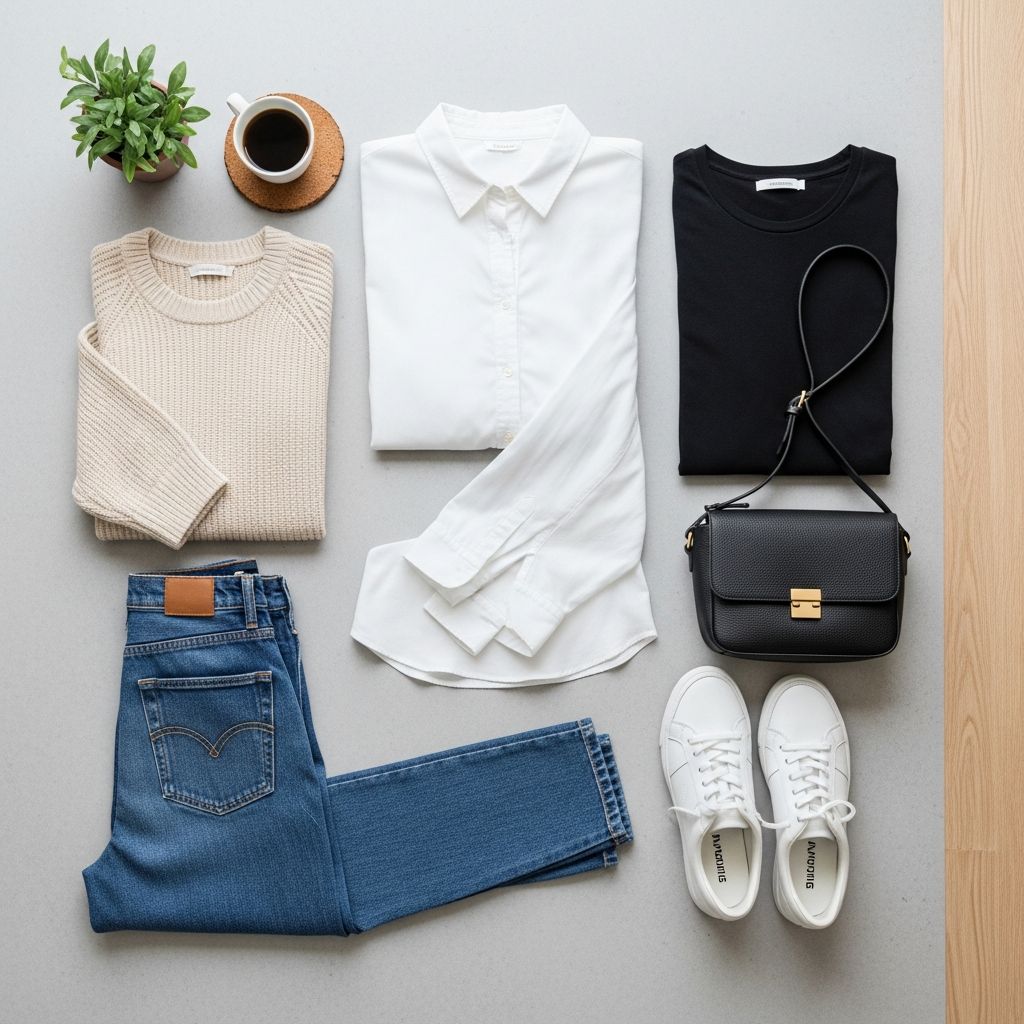
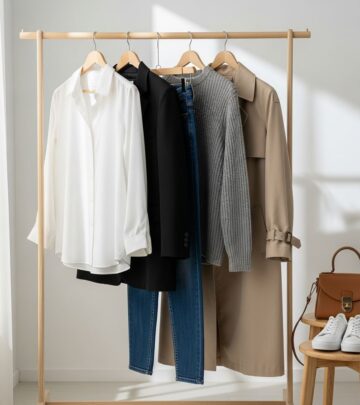
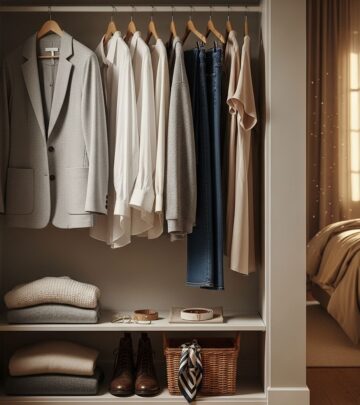
Minimalist clothing is all about owning fewer pieces that work harder for you: timeless silhouettes, versatile colors, and high-quality fabrics that make getting dressed simple and stylish. By focusing on thoughtful purchases instead of constant trends, you can create a wardrobe that looks polished, supports your values, and respects your budget.
This guide walks you through what minimalist fashion is, the benefits of a minimalist or capsule wardrobe, and a curated list of minimalist clothing brands arranged by affordability. You will also find practical tips for shopping intentionally and answers to common questions at the end.
What is minimalist clothing?
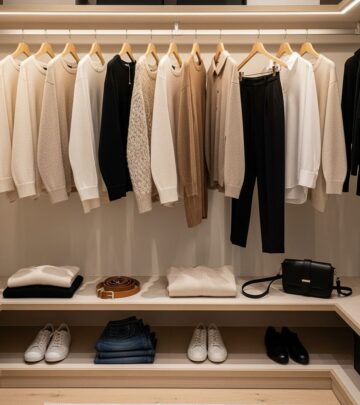
Minimalist clothing centers on simplicity, versatility, and longevity. Instead of overflowing closets, minimalism emphasizes a smaller selection of garments you wear often and love. Common characteristics include:
- Neutral or muted colors that are easy to mix and match.
- Clean lines and simple, unfussy silhouettes.
- High-quality fabrics that feel comfortable and last longer with proper care.
- Less focus on trends and more on pieces that look relevant for years.
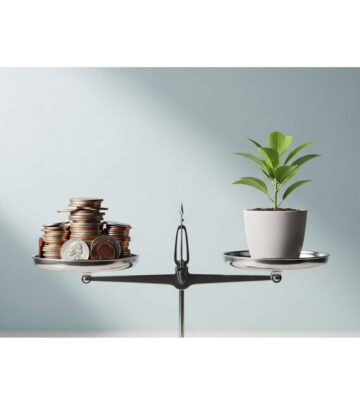
From a financial perspective, a minimalist wardrobe can reduce impulse buying and the cost of trend cycling. Research on household consumption shows that clothing is a frequent source of overspending and waste, and buying fewer, more durable items can cut costs over time.
Benefits of a minimalist or capsule wardrobe
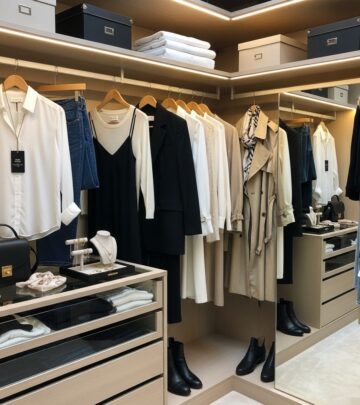
Many people merge minimalist fashion with the concept of a capsule wardrobe—a small, curated set of clothes that all work together. While approaches differ, several benefits are consistently reported.
- Less decision fatigue: With fewer but better options, getting dressed becomes faster and less stressful.
- More time: You spend less time shopping, returning, and organizing clothing and more time on activities that matter to you.
- Saving money: Intentional shopping reduces duplicates and trend-led purchases, leading to lower long-term clothing costs.
- Clearer personal style: By focusing on what you truly wear and love, your style becomes more cohesive and recognizable.
- Lower environmental impact: Buying fewer garments reduces demand for resource-intensive production and can cut textile waste.
How to choose minimalist clothing brands wisely
Minimalist brands are not only about aesthetics; many also focus on sustainability, ethical production, and transparency. When evaluating where to shop, consider:
- Affordability: Look for brands that align with your budget, and remember that higher upfront costs can still be economical if the garment is worn often and lasts longer.
- Fabric choices: Natural fibers like cotton, linen, wool, and silk tend to be comfortable and breathable. Some brands also use certified organic or recycled fibers to lower environmental impact.
- Ethical production: Certifications such as Fair Trade or information about factory standards and worker welfare are signs of more responsible production.
- Transparency: Many minimalist-focused labels share details on sourcing, pricing, and sustainability practices, which can support more informed choices.
25 minimalist clothing brands by budget
Below is an overview table of minimalist clothing brands organized broadly by affordability. The price ranges are approximate and refer to typical full-price items, not sale prices.
| Brand | Affordability (Approx.) | Key Highlights |
|---|---|---|
| Vetta | Under $200 | Capsule collections, versatile pieces, sustainable focus |
| Pact | Under $100 | Organic cotton basics, Fair Trade certification |
| Everlane | Under $200 | Radical transparency, modern basics |
| COS | Under $200 | Architectural cuts, long-lasting essentials |
| Organic Basics | Under $150 | Underwear and basics, organic & recycled fabrics |
| Fair Indigo | Under $100 | Timeless staples, Peruvian Pima cotton, charitable foundation |
| Arket | Under $200 | Nordic-inspired basics, fabric traceability |
| & Other Stories | Under $200 | Simple, feminine designs, seasonal collections |
| NA-KD | Under $100 | Scandi-inspired looks, climate goals & circularity focus |
| UpWest | Under $100 | Relaxed loungewear, clothing recycling initiative |
| Cuyana | Under $300 | “Fewer, better” philosophy, luxe essentials |
| Eileen Fisher | Under $300 | Timeless silhouettes, resale and circular programs |
| Jenni Kayne | Under $500 | California minimalism, high-quality knits & home |
The original list includes 25 brands; here we highlight representative examples across price points and aesthetics to mirror the range covered, from everyday casual to elevated workwear.
Luxury-leaning minimalist brands (typically under $300–$500)
If you want investment pieces that anchor your wardrobe for many years, these brands focus on elevated materials and refined, minimalist design:
- Cuyana (under $300): Known for its “fewer, better” tagline, Cuyana emphasizes natural fibers and timeless pieces that transition easily from desk to dinner. Many shoppers use their items as core building blocks for a polished capsule wardrobe.
- Eileen Fisher (under $300): Offers flowing, elegant silhouettes in fabrics like wool, silk, and organic cotton. The company also runs take-back and resale programs to keep clothes in use longer, supporting circular fashion principles.
- Jenni Kayne (under $500): A California-inspired label with neutral knits, versatile outerwear, and simple accessories. While prices are higher, fans appreciate the long-wearing, seasonless designs.
Mid-range minimalist brands (typically under $150–$200)
These brands are ideal if you want strong quality and thoughtful production without entering luxury price territory:
- Vetta (under $200): Focuses on capsule collections where each piece is designed to be worn multiple ways. This approach maximizes outfit combinations with fewer garments, which is core to wardrobe minimalism.
- Everlane (under $200): Markets its “radical transparency” around pricing and factories. The brand offers modern basics—denim, T-shirts, sweaters, and outerwear—designed to be timeless rather than trend-driven.
- COS (under $200): Known for clean, architectural shapes and a muted color palette, COS aims for longevity in design. Their sustainability communication includes information on materials and sourcing, helping customers understand what they are buying.
- Arket (under $200): Offers minimalist, Nordic-inspired pieces with an emphasis on fabric information and care guidance. Many items are designed as everyday uniforms suitable for work and leisure.
- & Other Stories (under $200): A mix of minimalist and subtly romantic pieces—simple dresses, tailored trousers, and refined knitwear that fit seamlessly into a pared-down closet.
- Organic Basics (under $150): Specializes in underwear, basics, and loungewear made from organic and recycled materials, recognizing the importance of everyday essentials in a minimalist wardrobe.
Budget-friendly minimalist brands (typically under $100)
You do not need a large budget to build a minimalist wardrobe. These brands keep prices relatively low while offering simple, wearable styles:
- Pact (under $100): Offers Fair Trade Certified cotton basics like T-shirts, leggings, and loungewear. Fair Trade standards aim to improve worker wages and conditions in supply chains, which supports more ethical production.
- Fair Indigo (under $100): Focuses on “forever in fashion” designs using high-quality Peruvian Pima cotton. The brand also operates a foundation supporting education initiatives in producing communities.
- NA-KD (under $100): A Swedish brand that balances trend-conscious cuts with minimalist lines. NA-KD has set climate targets and aims to reduce emissions per product and increase circularity through better material choices and take-back programs.
- UpWest (under $100): Ideal for comfortable basics, loungewear, and soft layers. UpWest also runs a clothing recycling initiative and partners with donation services to make it easier to responsibly pass on items you no longer wear.
How minimalist brands can support your budget
Minimalist fashion is sometimes criticized as a luxury aesthetic, but strategic shopping can make it highly budget-friendly. Key ways these brands can help you save in the long term include:
- Cost per wear: Higher-quality basics worn frequently often cost less per wear than inexpensive trend pieces that are rarely used or quickly discarded.
- Intentional purchasing: Capsule-focused brands encourage you to consider how each item fits with what you already own, which helps cut down on duplicates and impulse purchases.
- Resale and repair: Some minimalist labels offer resale platforms, take-back programs, or repair services. Extending garment life significantly reduces its yearly ownership cost.
- Versatility: Neutral colors and simple cuts allow for more outfit combinations from fewer items, reducing the need to buy new clothes for every event.
Tips for shopping minimalist clothing on a budget
You can make the most of minimalist clothing brands—at any price point—by approaching shopping with a plan.
- Start with a wardrobe audit: Identify what you already own and wear most. Look for gaps such as “a well-fitting black trouser” or “a warm neutral cardigan,” and focus your shopping list on these missing essentials.
- Prioritize classic pieces: Choose simple designs in colors that pair with several items in your closet. This is especially effective when you are improving your personal style on a budget.
- Mix price points: Combine one higher-end investment piece (like quality shoes or a coat) with more affordable basics and thrifted finds. A thoughtful mix can look elevated without overspending.
- Use sales and outlet sections: Many minimalist brands run seasonal promotions, especially on past-season colors of timeless items.
- Explore pre-owned options: Buying secondhand from reputable resale platforms or brand-run resale programs is one of the most cost-effective ways to access quality minimalist labels while reducing environmental impact.
- Set a clothing budget: Including fashion in your monthly budget helps you plan purchases and avoid debt-driven shopping.
Simple steps to build your own minimalist wardrobe
If you are just getting started with minimalist fashion or a capsule wardrobe, consider this basic roadmap:
- Define your lifestyle needs: List your weekly activities (work, childcare, exercise, social events) and estimate what types of clothes you actually need for each.
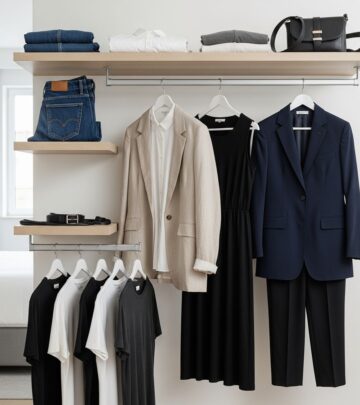
- Choose a base color palette: Many minimalist wardrobes begin with black, white, navy, gray, or beige, then add one or two accent colors to keep things interesting.
- Identify your core pieces: Think in categories: outerwear, tops, bottoms, dresses, shoes, and accessories. Start with items you will wear at least once a week.
- Fill in with strategic purchases: Use the brand list above to find a small number of high-impact items, such as a versatile dress, a tailored blazer, or quality denim.
- Maintain, don’t constantly add: Over time, replace worn-out favorites with similar or better versions rather than expanding your closet endlessly.
Frequently Asked Questions (FAQs)
Q: Are minimalist clothing brands always expensive?
A: No. While some minimalist labels are positioned as premium, there are many budget-friendly options under $100, especially for basics. The key is focusing on cost per wear and choosing pieces you will use repeatedly instead of chasing every new trend.
Q: How many pieces do I need for a minimalist wardrobe?
A: There is no fixed number. Some capsule wardrobes have 30–40 pieces (including shoes and outerwear), while others are larger or smaller. What matters is that most items are worn regularly and mix well together.
Q: Is minimalist fashion better for the environment?
A: Buying fewer, higher-quality garments and wearing them longer generally reduces environmental impacts like greenhouse gas emissions, water use, and textile waste, compared with high-volume fast fashion. Choosing brands that use responsible materials and ethical production can further improve your footprint.
Q: Can I have a minimalist wardrobe if I love color?
A: Yes. Minimalism is more about intentionality, versatility, and longevity than about wearing only black or beige. You can select a limited palette of colors you love and ensure that most pieces still pair well together.
Q: How do I avoid boredom with a small wardrobe?
A: Focus on interesting textures, subtle details, and accessories like scarves, belts, and jewelry. Creative outfit combinations and layering can keep looks fresh without expanding your closet dramatically.
References
- Fashion and the Environment — United Nations Environment Programme. 2018-03-12. https://www.unep.org/news-and-stories/story/putting-brakes-fast-fashion
- How to Build a Capsule Wardrobe for Women — Modern Minimalism. 2023-01-15. https://modernminimalism.com/how-to-build-a-capsule-wardrobe/
- Minimalism Is Just Another Boring Product Wealthy People Can Buy — The Financial Diet. 2017-08-02. https://thefinancialdiet.com/minimalism-just-another-boring-product-wealthy-people-can-buy/
- How to Improve Your Personal Style On A Budget — Clever Girl Finance. 2022-05-10. https://www.clevergirlfinance.com/improve-your-personal-style-on-a-budget/
Similar Articles








Read full bio of medha deb