Mini Resume Template and Examples for 2025
Create a powerful mini resume with our comprehensive templates and real-world examples for job success.
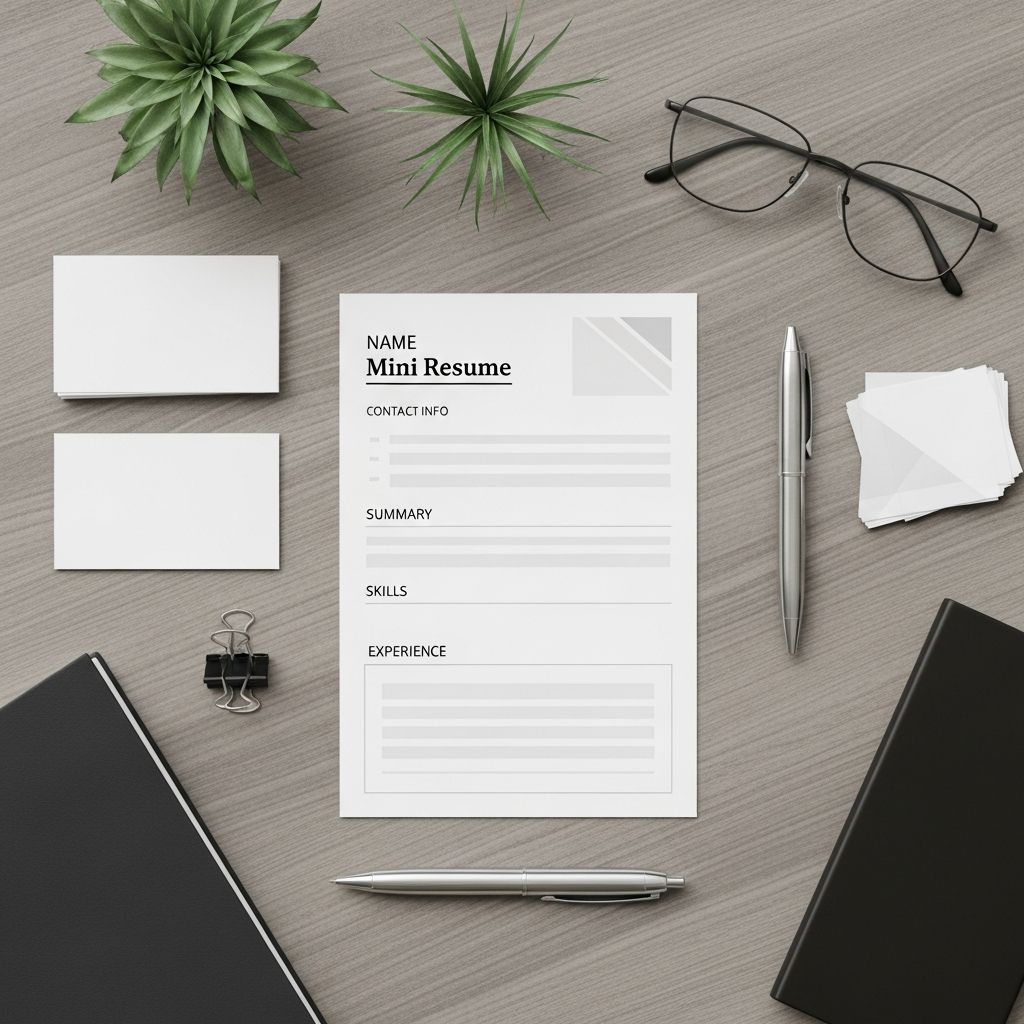
A mini resume is a concise, one-page document that highlights your most relevant qualifications, skills, and experience. Unlike traditional resumes that can span multiple pages, a mini resume condenses your professional information into a focused format designed to quickly capture an employer’s attention. Whether you’re entering the job market, changing careers, or applying for a competitive position, understanding how to create an effective mini resume is crucial in today’s competitive job landscape.
What Is a Mini Resume?
A mini resume is a streamlined version of a traditional resume that focuses on your most important qualifications and achievements. It typically fits on a single page and is designed to be easily scanned by hiring managers and applicant tracking systems (ATS). The primary purpose of a mini resume is to provide a quick overview of your professional profile, making it ideal for networking events, job fairs, and online applications where space is limited.
The mini resume format forces you to be strategic about what information you include. Every word counts, and each section should contribute to your overall value proposition as a candidate. This approach is particularly effective for entry-level candidates, recent graduates, and professionals making career transitions.
Key Components of a Mini Resume
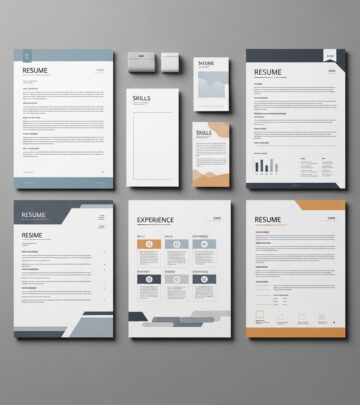
A well-structured mini resume includes several essential sections that work together to present a comprehensive overview of your professional qualifications:
Contact Information
Your contact information should be placed at the top of your mini resume and include your full name, phone number, email address, and optionally, your LinkedIn profile URL or personal website. Ensure that your email address is professional and your voicemail greeting is appropriate. This section should be clean and easy to read, allowing employers to quickly reach out to you.
Professional Summary or Objective
A professional summary is a brief statement that outlines your career goals and highlights your most valuable skills and experiences. This section should be tailored to the specific job you’re applying for and should immediately communicate your value to the employer. For entry-level candidates, an objective statement that describes your career aspirations and what you bring to the role may be more appropriate.
Work Experience
List your relevant work experience in reverse chronological order, starting with your most recent position. For each role, include your job title, company name, employment dates, and two to three bullet points highlighting your key achievements and responsibilities. Focus on accomplishments rather than duties, and use metrics whenever possible to demonstrate your impact.
Education
Include your highest level of education, the degree earned, the institution name, and your graduation date. If you’re a recent graduate or if your GPA is particularly strong (3.5 or higher), you may choose to include this information. You can also list relevant coursework, academic honors, or certifications if they strengthen your application.
Skills
Create a focused list of skills that are directly relevant to the position you’re seeking. Prioritize technical skills, industry-specific competencies, and soft skills that hiring managers value. Keep this section concise but comprehensive, listing only skills you can confidently discuss during an interview.
Mini Resume Templates for Different Career Stages
Different career stages require different approaches to resume writing. Understanding which template best suits your experience level will help you present yourself effectively to potential employers.
Entry-Level Mini Resume Template
For entry-level candidates with limited professional experience, a mini resume should emphasize educational achievements, relevant coursework, internships, volunteer work, and transferable skills. This template typically features a stronger education section and highlights any projects, certifications, or relevant training that demonstrates your capabilities.
Sample Entry-Level Mini Resume Profile:
“Certified medical assistant seeking a position in a pediatric office where I can utilize my clinical and front desk training. My strong written and verbal skills promote effective communication between patients and coworkers, and I am compassionate and dependable.”
Mid-Level Mini Resume Template
Mid-level professionals should focus on demonstrating career progression, specific achievements, and quantifiable results from previous roles. This template balances professional experience with education and skills, providing evidence of your ability to take on increased responsibility and deliver measurable outcomes.
Senior-Level Mini Resume Template
Senior professionals should emphasize leadership experience, strategic achievements, and the business impact of their work. A senior-level mini resume should highlight years of experience, major accomplishments, and any recognition or awards received. This template should convey executive presence and decision-making authority.
Sample Senior-Level Mini Resume Profile:
“Food service manager with 15 years of experience seeking a position in a high-volume fast food restaurant. Qualifications include strong leadership skills, the ability to thrive in hectic environments and Foodservice Management Professional certification.”
Industry-Specific Mini Resume Examples
Different industries have unique expectations and requirements for resume formatting and content. Tailoring your mini resume to your specific industry increases your chances of standing out to hiring managers who understand your field.
Healthcare Mini Resumes
Healthcare professionals should prominently feature relevant certifications, licenses, specialized training, and clinical skills. A nurse mini resume, for example, should emphasize critical care specialties, patient care experience, and any relevant certifications such as BLS or ACLS. Medical assistants should highlight their clinical competencies and administrative skills.
Technology Mini Resumes
Technology professionals should showcase programming languages, technical certifications, software proficiencies, and relevant projects. Data analyst mini resumes should emphasize analytical tools, databases, and proven ability to derive insights from data. DevOps engineers should highlight infrastructure management skills and cloud platform expertise.
Education Mini Resumes
Teacher mini resumes should feature teaching credentials, subject matter expertise, student achievement metrics, and classroom management strategies. Special education teachers should emphasize their ability to develop individualized education plans (IEPs) and support diverse learners.
Business and Administrative Mini Resumes
Administrative professionals should highlight organizational skills, office management experience, and software proficiencies. Receptionist mini resumes should emphasize customer service, communication skills, and administrative support capabilities. Project manager mini resumes should showcase successful project completion, team leadership, and budget management experience.
Professional Summary Examples for Mini Resumes
Your professional summary sets the tone for your entire resume. Here are effective examples tailored to different career levels and industries:
Entry-Level Professional Summary
“Recent computer science graduate with a passion for developing scalable web applications and working across the full stack. I’ve built two web apps from the ground up using React, Node, and PostgreSQL.”
Mid-Level Professional Summary
“Experienced marketing professional with proven ability to develop and execute successful acquisition strategies through paid advertising and SEO optimization. Demonstrated success leading cross-functional teams and independently driving user acquisition growth for multiple organizations.”
Career-Changer Professional Summary
“Retail sales associate with five years of customer-facing experience and a passion for data analysis. Recently completed comprehensive data analytics certification and completed three portfolio projects analyzing customer behavior and sales trends. Seeking entry-level data analyst position to leverage analytical skills and customer insights.”
Mini Resume Formatting Best Practices
The way your mini resume looks is just as important as the content it contains. Proper formatting ensures your document is easy to read and makes a professional impression.
Font and Typography
Use professional fonts such as Arial, Calibri, or Times New Roman in 10-12 point size for body text. Your name at the top can be slightly larger (14-16 points) to draw attention. Avoid decorative or script fonts that may be difficult to read or may not display properly in ATS systems. Use bold and italics strategically to highlight section headers and key information.
Margins and Spacing
Maintain consistent margins of 0.5 to 1 inch on all sides to keep your resume looking professional and organized. Use appropriate line spacing (1.0 to 1.15) to prevent your resume from appearing cramped. Adequate white space makes your document more readable and helps important information stand out.
Color and Design
While a touch of color can enhance your mini resume, use it sparingly and professionally. Subtle accent colors in headers or section dividers can make your resume more visually appealing without appearing unprofessional. However, if you’re applying through an ATS, stick with black text on a white background to ensure compatibility.
File Format
Save your mini resume as a PDF file to preserve formatting across different devices and operating systems. If the job posting specifically requests a Word document, provide that format as well. Avoid saving your resume as an image file, as this may prevent ATS systems from reading your content.
Tips for Tailoring Your Mini Resume
A generic mini resume is less likely to impress employers than one tailored to the specific position. Here are strategies for customizing your resume for each application:
Read the Job Description Carefully
Identify keywords and phrases used in the job posting. Incorporate these terms into your professional summary, skills section, and work experience bullets. Many employers use ATS systems that search for specific keywords, so matching the language used in the job description improves your chances of being selected for an interview.
Prioritize Relevant Experience
For each position you’ve held, highlight achievements and responsibilities that are most relevant to the job you’re applying for. If you have limited space, focus on accomplishments that directly demonstrate your ability to succeed in the target role.
Highlight Transferable Skills
If you’re changing careers or industries, emphasize skills that transfer to your target position. Project management, communication, problem-solving, and leadership skills are valuable across many industries and roles.
Common Mini Resume Mistakes to Avoid
Even well-intentioned applicants often make mistakes that undermine their resume’s effectiveness. Being aware of these pitfalls helps you create a stronger document.
Including Irrelevant Information
Every line on your mini resume should contribute to your candidacy for the specific position. Avoid including outdated skills, irrelevant work experience, or personal information that doesn’t strengthen your application.
Using Vague Language
Replace vague statements with specific, quantifiable accomplishments. Instead of “Responsible for increasing sales,” write “Increased quarterly sales by 23% through implementing new customer retention strategies.”
Grammatical and Spelling Errors
Proofread your mini resume multiple times and ask a trusted colleague to review it as well. Grammatical errors and typos create a negative impression and may cause your application to be rejected immediately.
Using Unprofessional Language or Tone
Maintain a professional and confident tone throughout your resume. Avoid slang, informal language, or overly casual phrasing. Your resume should sound like it’s written by a seasoned professional.
Frequently Asked Questions
Q: How long should a mini resume be?
A: A mini resume should fit on a single page. The exact length depends on your experience level, but typically ranges from three-quarters to one full page. Focus on quality over quantity, including only information that strengthens your candidacy.
Q: Can I use the same mini resume for all job applications?
A: While you can use the same basic template, it’s best to customize your mini resume for each position. Tailor your professional summary, skills section, and highlighted accomplishments to match the specific job requirements.
Q: Should I include a photo on my mini resume?
A: In most industries, photos are not necessary and may actually reduce your chances of being selected. However, in creative fields, entertainment, or certain international contexts, a professional photo may be appropriate. Research industry norms before including one.
Q: What’s the difference between a mini resume and a CV?
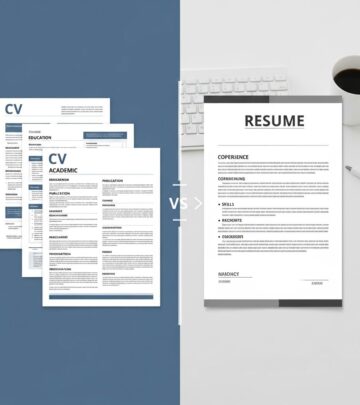
A: A mini resume is typically one page and highlights your most relevant qualifications. A CV (curriculum vitae) is more comprehensive and can be multiple pages, listing all relevant experience, education, publications, and certifications. Mini resumes are common in the United States, while CVs are more standard in academic and international contexts.
Q: How should I handle employment gaps on my mini resume?
A: Employment gaps don’t need to be explained on your mini resume itself. If asked during an interview, have a brief, honest explanation prepared. You can also use a functional or combination resume format that emphasizes skills and accomplishments rather than chronological employment history.
Q: Should I include references on my mini resume?
A: No, references should not be included on your resume. Instead, prepare a separate references sheet with contact information for professional references who can speak to your qualifications and work ethic. Provide this document only when requested by the employer.
Q: How do I know if my mini resume is ATS-compatible?
A: Use simple formatting without tables, graphics, or columns that ATS systems may not read properly. Stick with standard fonts, bullet points, and clear section headers. Avoid using header and footer features, and save your document as a PDF or Word file as requested.
Conclusion
A well-crafted mini resume is a powerful tool for job seekers at any career stage. By focusing on your most relevant qualifications, achievements, and skills, you create a compelling one-page document that captures employer attention and encourages them to invite you for an interview. Remember to tailor your mini resume for each position, maintain professional formatting, and proofread carefully before submitting. With the templates, examples, and strategies provided in this guide, you’re well-equipped to create a mini resume that effectively showcases your professional value and helps you land your next opportunity.
References
- Resume Builder Platform — Resume Builder. 2025. https://www.resumebuilder.com/resume-examples/basic/
- Free Resume Templates and Examples — Zety. 2025. https://zety.com
- Entry-Level Resume Examples and Tips — BeamJobs. 2025. https://www.beamjobs.com/resumes/entry-level-resume-examples
- Simple Resume Templates — MyPerfectResume. 2025. https://www.myperfectresume.com/resume/templates/basic
- Resume Format Guide and Templates — Resume Genius. 2025. https://resumegenius.com/blog/resume-help/resume-format
- Minimalistic Resume Templates — Novo Resume. 2025. https://novoresume.com/career-blog/minimalistic-resume-templates
Similar Articles








Read full bio of Sneha Tete