Mini Farm Animals: Cute Pets with Surprisingly High Costs
Understanding the true expenses of owning miniature livestock as pets.
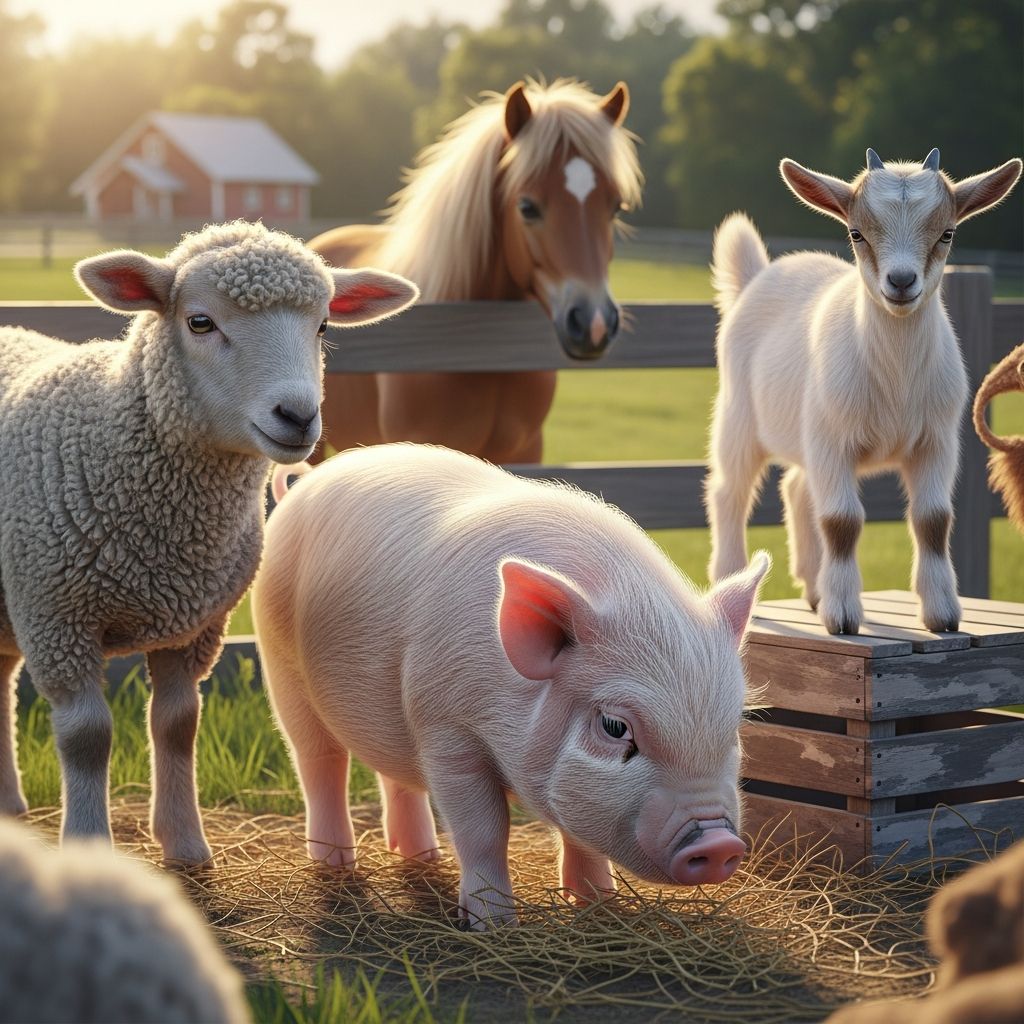
The trend of keeping miniature farm animals as pets has exploded in recent years, particularly since the pandemic. Social media platforms overflow with adorable images and videos of tiny cows, mini pigs, and small goats that have earned charming nicknames like “grass puppies” and “pasture puppies.” However, behind these cute faces lies a financial reality that many prospective owners fail to anticipate. While these animals may appear to be the perfect blend of farm charm and pet companionship, their care and maintenance requirements come with substantially higher costs than traditional pets like dogs or cats.
The Growing Business of Mini Farm Animals
Mini farm animals have become a lucrative business for breeders, particularly since the pandemic surge in interest. Miniature livestock enthusiasts have created a thriving market where these animals command impressive prices. Mini cows, especially the shaggy-haired miniature Highland cattle that dominate social media feeds, rank among the priciest options, with calves selling for thousands of dollars. Some breeders report selling individual animals for more than $8,000, and maintaining waiting lists for years.
Mini horses and ponies command similarly elevated prices in the market. Mini pigs offer a more budget-friendly entry point, with prices typically starting under $1,000. Small goats generally represent the most affordable category among mini farm animals, available for just a few hundred dollars. This variation in pricing reflects both the animals’ rarity and their popularity on social media platforms.
Breeders have experienced overwhelming demand following the social media explosion around these animals. One breeder with over 20 years of experience reports receiving an almost constant stream of inquiries, emails, and queries about miniature cattle. The interest shows no signs of slowing, as more people seek to bring these charming creatures to their properties.
Understanding True Ownership Costs
Initial Purchase Price vs. Long-term Expenses
While the initial purchase price captures attention, it represents only a fraction of the true cost of ownership. Prospective owners frequently underestimate ongoing expenses related to feeding, housing, and healthcare. Unlike the relatively straightforward care requirements of traditional pets, mini farm animals demand specialized knowledge and resources that quickly accumulate.
Hay and Feed Expenses
One of the most significant ongoing costs involves feed, particularly hay. Mini farm animals are herbivores that require substantial daily nutrition, making the common myth that they can subsist on backyard scraps and grass entirely incorrect. Miniature cattle, for instance, consume 2% to 3% of their body weight daily. A 500-pound mini cow can eat an entire bale of hay in just three days, translating to approximately $250 monthly in hay costs alone.
Owners fortunate enough to have adequate storage space can purchase hay directly from farmers at significantly reduced rates, typically around $5 per bale. However, those purchasing from retail suppliers face markedly higher expenses, paying up to $20 per bale. Beyond basic hay, owners must also provide mineral blocks that cost approximately $100 each, and additional grain for milking animals can run $22 twice weekly. This creates a financial burden that many new owners fail to anticipate before bringing animals home.
Veterinary and Healthcare Considerations
Finding and affording veterinary care for mini farm animals presents another substantial challenge. In rural areas with high demand for livestock veterinarians, costs may remain relatively comparable to urban veterinary services. However, suburban residents often struggle to locate livestock veterinarians willing to make house calls, which becomes essential when animals cannot be transported in standard pet carriers or vehicle trunks.
This limitation forces suburban owners into difficult choices: either pay premium prices for mobile veterinary services or transport animals to rural clinics. Both scenarios add considerably to healthcare expenses compared to typical pet ownership.
Infrastructure and Housing Requirements
Fencing and Enclosure Costs
Proper containment represents another often-overlooked expense category. Standard fencing designed for residential properties frequently proves inadequate for mini farm animals. Goats, despite their small size, can squeeze through surprisingly large gaps. One owner discovered her goats could escape through four-by-four-inch holes in existing fencing, requiring nearly $400 in fencing upgrades to create secure enclosures.
Equipment and Infrastructure
Beyond fencing, owners must invest in various equipment and infrastructure improvements. Watering troughs, rodent-proof feed containers, and specialized enclosures add up quickly. Additionally, many owners experience increased utility bills due to higher water consumption and power requirements for maintaining the animals and their living spaces. These cumulative expenses often shock new owners who anticipated lower infrastructure investments.
Zoning Laws and Legal Complications
A frequently overlooked but critical consideration involves local zoning regulations and municipal ordinances. Many owners purchase mini farm animals without verifying whether their city or county permits keeping livestock in residential areas. This oversight can result in severe consequences, ranging from hefty fines to forced animal surrender or mandatory boarding at approved facilities costing hundreds of dollars monthly.
Before acquiring any mini farm animal, prospective owners must thoroughly investigate local regulations. Understanding jurisdiction-specific livestock laws prevents expensive legal complications and protects both the owner and the animal from potential hardship.
Realistic Size and Space Considerations
The term “mini” can be misleading when applied to farm animals. While smaller than their full-size counterparts, miniature livestock still require substantial space. Miniature cattle can weigh approximately 500 pounds when fully grown. Even mini pigs typically exceed 100 pounds at maturity, far heavier than many people anticipate when imagining small, lap-sized animals.
These real proportions dramatically impact space requirements and food consumption calculations. Understanding actual adult size prevents disappointment and ensures owners can adequately accommodate their animals’ needs.
Comparing Costs: Mini Farm Animals vs. Traditional Pets
| Expense Category | Mini Farm Animals | Traditional Pets (Dogs/Cats) |
|---|---|---|
| Monthly Feed | $250+ | $50–$100 |
| Veterinary Care | $500–$2,000+/year | $200–$500/year |
| Initial Purchase | $500–$8,000 | $0–$1,000 |
| Housing/Enclosure | $400–$2,000+ | $100–$300 |
| Equipment/Infrastructure | $300–$1,000+ | Minimal |
Is Mini Farm Animal Ownership Worth It?
Despite the substantial financial commitment, many owners find the experience deeply rewarding. For those who approach animal ownership with realistic expectations and adequate financial resources, mini farm animals offer unique companionship and connection to agricultural traditions. Owners often describe their animals as beloved family members rather than mere investments, finding emotional satisfaction that transcends monetary considerations.
Success requires thorough preparation, including researching local regulations, budgeting for realistic expenses, and developing a genuine commitment to animal welfare beyond social media appeal.
Frequently Asked Questions
Q: What is the most affordable mini farm animal to own?
A: Small goats typically represent the most budget-friendly option, available for a few hundred dollars. However, ongoing care costs remain substantial regardless of initial purchase price.
Q: Can mini farm animals really eat just grass and scraps?
A: No. This is a persistent myth. Mini farm animals require substantial daily nutrition, including quality hay and supplemental feed. They cannot sustain themselves on backyard scraps alone.
Q: How much space do mini farm animals need?
A: Despite being smaller than traditional livestock, mini animals still require adequate space. A 500-pound mini cow cannot thrive in a small suburban yard and needs proper pasture and housing.
Q: What happens if I didn’t check local zoning laws?
A: You could face hefty fines, forced animal surrender, or requirement to board your animal at approved facilities costing hundreds monthly. Always verify regulations before purchasing.
Q: Are veterinary costs higher for mini farm animals?
A: Yes, especially for suburban residents. Finding livestock veterinarians willing to make house calls is challenging and expensive compared to traditional pet veterinary care.
Q: What is the most expensive mini farm animal?
A: Mini cows, particularly miniature Highland cattle, command the highest prices, with calves selling for thousands of dollars. Some individual animals sell for more than $8,000.
Q: How much hay does a mini cow consume monthly?
A: A 500-pound mini cow typically consumes approximately $250 worth of hay monthly, or roughly one bale every three days.
Q: Can I transport mini farm animals in my car for vet visits?
A: Generally no. Most mini farm animals are too large to transport safely in standard vehicles, requiring mobile veterinary services or transport to rural clinics, adding to costs.
References
- Mini Farm Animals Are the Latest Cute (but Costly) Pet Craze — Money Magazine. Retrieved November 2025. https://money.com/mini-farm-animals-costs/
- The TRUE Cost Of Feeding 100+ Farm Animals Each Day — YouTube. Retrieved November 2025. https://www.youtube.com/watch?v=6dUvTplf750
- Mini Cows, Sheep and Goats Are the Latest Cute (but Costly) Pet Craze — NASDAQ. Retrieved November 2025. https://www.nasdaq.com/articles/mini-cows-sheep-and-goats-are-latest-cute-costly-pet-craze
- 5 Most Profitable Animals for Small Farms — Zareba Systems. Retrieved November 2025. https://www.zarebasystems.com/articles/profit-livestock-small-farm
- Best Farm Animals to Raise for a Profit — LandApp. Retrieved November 2025. https://www.landapp.com/post/best-farm-animals-to-raise-for-a-profit
Similar Articles








Read full bio of Sneha Tete