MFA Pitfalls: Risks and Secure Alternatives
Uncover the hidden vulnerabilities in multi-factor authentication that could leave your accounts exposed, and discover robust defenses against modern threats.
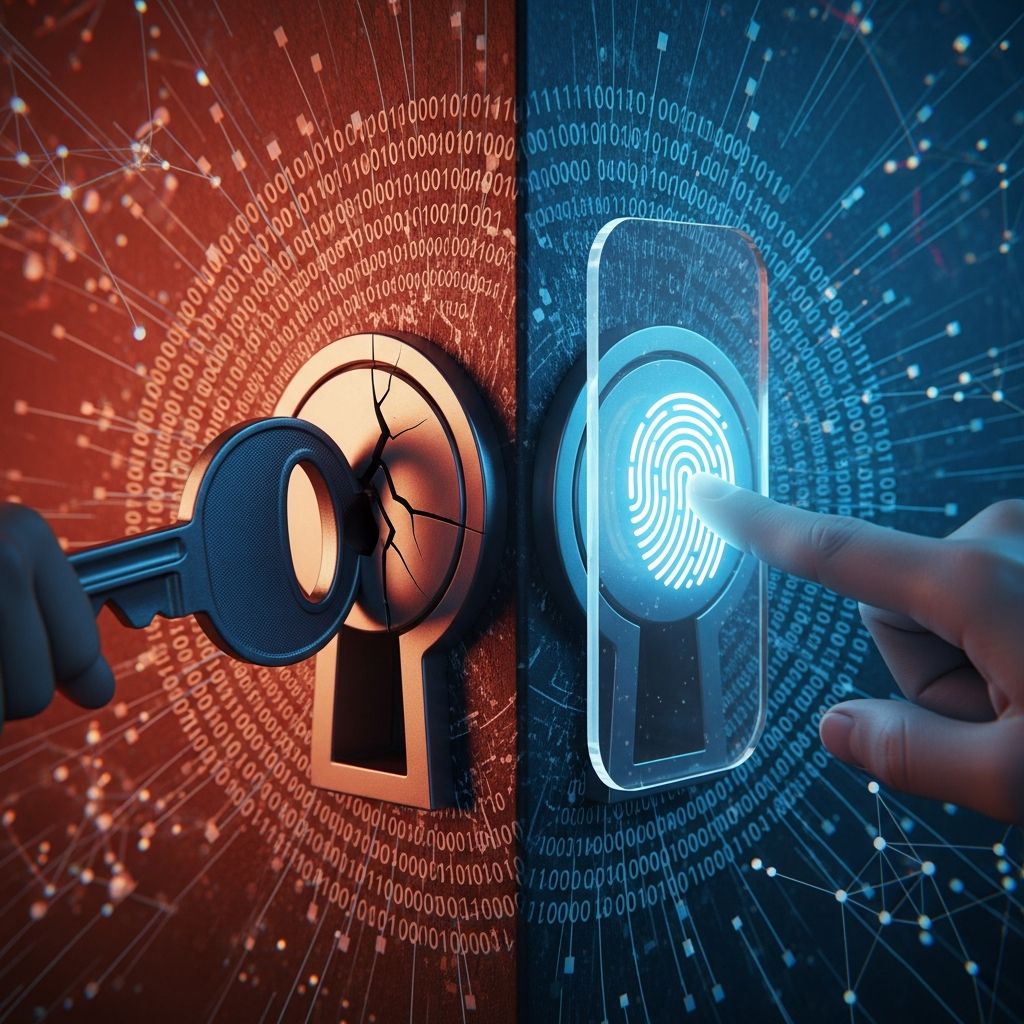
Multi-factor authentication (MFA) serves as a vital defense layer beyond passwords, requiring additional verification like codes or biometrics. Despite its strengths, various weaknesses can undermine its effectiveness, exposing users to account takeovers and data breaches.
Understanding the Core Flaws in MFA Systems
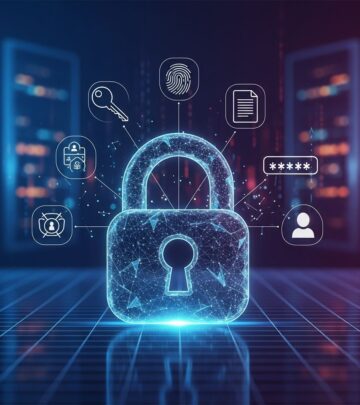
MFA aims to combine multiple verification methods, such as something you know (password), something you have (phone), or something you are (fingerprint). However, implementation flaws create exploitable gaps. Weak designs foster a false sense of security, where users believe their accounts are impenetrable, yet attackers bypass protections through targeted tactics.
Common issues arise from over-reliance on outdated methods or poor logic in verification processes. For instance, systems that fail to link initial login credentials tightly with secondary steps allow attackers to hijack sessions without full knowledge of user details.
MFA Fatigue: When Users Become the Weak Link
One emerging threat is MFA fatigue, where attackers bombard users with repeated approval prompts. Overwhelmed individuals may approve malicious requests just to stop notifications, granting hackers access. This tactic exploits human psychology, turning a security feature into a vulnerability.
- User Complacency: Frequent interruptions lead to hasty approvals without checking details.
- Bypassing Tendencies: Frustrated users disable MFA, reverting to weaker password-only protection.
- Accidental Grants: In the rush, legitimate-looking prompts from attackers get approved.
- System Distrust: Constant alerts erode confidence, causing users to ignore real threats.
Organizations face amplified risks as employee fatigue enables lateral movement within networks, escalating to data theft or ransomware.
SMS-Based MFA: A Ticking Time Bomb for Security
SMS delivery of one-time passcodes (OTPs) was once standard but now proves highly vulnerable. Unencrypted messages travel over cellular networks prone to interception, creating single points of failure.
Key attack vectors include:
| Attack Type | Description | Impact |
|---|---|---|
| SIM Swapping | Attackers trick carriers into porting a victim’s number to their SIM. | Full interception of OTPs, leading to account takeovers and fraud. |
| Social Engineering | Phishing or calls convincing users to reset MFA via SMS. | Breaches by groups like Scattered Spider in corporate settings. |
| Mass Number Exploitation | Buying recycled numbers linked to active accounts. | Bulk account testing and unauthorized access. |
| SS7 Protocol Abuse | Exploiting telecom signaling to reroute messages. | Invisible OTP theft without user awareness. |
These flaws extend beyond individuals; enterprises suffer network pivots to cloud assets, data exfiltration, and financial losses when SMS MFA fails.
Technical Vulnerabilities Undermining MFA Integrity
Beyond user-facing issues, backend flaws plague MFA. Flawed verification logic separates login steps, enabling attackers to brute-force codes after stealing session cookies.
Brute-forcing short 4-6 digit codes is feasible without rate limits. Even logout-after-failures mechanisms falter against automated tools like Burp Intruder extensions. Adversary-in-the-middle (AiTM) attacks further intercept tokens during login, bypassing prompts entirely.
Social engineering amplifies these: phishing sites capture credentials and OTPs, while fatigue overwhelms defenses.
Why Weak MFA Equals No MFA at All
Poorly implemented MFA introduces unique risks, including heightened phishing success and credential stuffing resilience gaps. Without MFA, attacks like brute force or keyloggers succeed occasionally, but weak versions enable advanced persistent threats.
- False Security Perception: Users overlook risks, delaying threat detection.
- Social Engineering Boost: Repeated prompts or fake sites trick approvals.
- Credential Exploits: SIM swaps and malware render layers useless.
- Advanced Bypasses: AiTM steals sessions mid-process.
Skipping MFA entirely might even be preferable in some cases, as it prompts stricter password hygiene without illusory safety.
Real-World Impacts of MFA Failures
Breaches trace back to MFA lapses frequently. SIM swaps fuel multimillion-dollar frauds, while fatigue enables insider-like access for ransomware deployment. Without robust MFA, phishing escalates from credential theft to full compromises, as attackers lack only the second factor—which weak systems provide unwittingly.
Businesses ignoring MFA face skyrocketing cyberattack rates, compromised accounts, and regulatory fines. Phishing evolves into whaling against executives, brute force cracks weak points, and MITM steals in transit.
Building Resilient MFA: Best Practices and Alternatives
To counter these risks, shift to phishing-resistant MFA like hardware tokens, FIDO2 keys, or authenticator apps (e.g., Google Authenticator). These use public-key cryptography, resisting interception.
Implementation tips:
- Enforce Strong Policies: Mandate MFA universally, prioritizing app-based over SMS.
- Rate Limiting and Monitoring: Block brute-force with adaptive thresholds and anomaly detection.
- Device Binding: Tie factors to trusted devices, preventing session hijacks.
- Education Campaigns: Train users on fatigue attacks and verification scrutiny.
- Zero-Trust Models: Verify continuously, not just at login.
Retiring SMS entirely for enterprises prevents systemic gaps, favoring biometrics or push notifications with risk-based prompts.
Comparing MFA Methods: Strengths and Weaknesses
| Method | Strengths | Weaknesses | Recommendation |
|---|---|---|---|
| SMS OTP | Easy setup, ubiquitous phones | SIM swap, interception, SS7 flaws | Avoid for high-value accounts |
| Authenticator Apps | Offline codes, no network needed | Device loss, backup required | Strong daily use |
| Hardware Tokens | Phishing-resistant, portable | Cost, physical loss | Ideal for enterprises |
| Biometrics | Convenient, hard to phish | Spoofing risks, privacy concerns | Combine with others |
| Push Notifications | Quick approval | Fatigue prone, network dependent | Use with risk scoring |
Future-Proofing Authentication Against Evolving Threats
As attacks sophisticate, MFA must evolve. Passwordless systems using passkeys and WebAuthn standards promise broader security. Integrating AI for behavioral analysis detects anomalies like unusual login locations.
Regular audits reveal weak spots, while compliance with frameworks like NIST bolsters resilience. Ultimately, layered defenses—combining MFA with endpoint protection—outpace single measures.
Frequently Asked Questions (FAQs)
What is MFA fatigue?
MFA fatigue occurs when attackers send repeated prompts, causing users to approve malicious ones out of annoyance.
Is SMS MFA safe?
No, due to SIM swapping and interception risks; opt for app-based alternatives.
How do attackers brute-force MFA?
By exploiting flawed logic or short codes without protections, using automated tools.
Can phishing bypass MFA?
Weak MFA yes, via real-time OTP capture or AiTM; strong methods resist.
What MFA is most secure?
Phishing-resistant options like FIDO2 hardware keys or biometrics combined with tokens.
References
- MFA Fatigue: Understanding the Risks and How to Mitigate Them — Fortra. 2023. https://www.fortra.com/blog/mfa-fatigue-understanding-risks-and-how-mitigate-them
- The Hidden Risks of SMS-Based Multi-Factor Authentication — Vectra AI. 2023. https://www.vectra.ai/blog/the-hidden-risks-of-sms-based-multi-factor-authentication
- Vulnerabilities in Multi-Factor Authentication — PortSwigger Web Security Academy. 2024. https://portswigger.net/web-security/authentication/multi-factor
- Why Weak MFA Is as Dangerous as Having No MFA — Palo Alto Networks. 2024. https://www.paloaltonetworks.com/blog/sase/why-weak-mfa-as-dangerous-as-no-mfa/
- What Types of Attacks does Multi-Factor Authentication Prevent? — OneLogin. 2023. https://www.onelogin.com/learn/mfa-types-of-cyber-attacks
Similar Articles








Read full bio of Sneha Tete