Mezzanine Financing: Hybrid Capital for Business Growth
Unlock growth capital between senior debt and equity with mezzanine financing solutions.

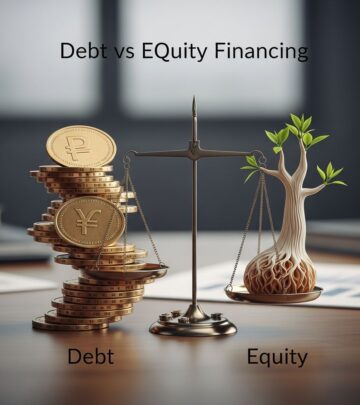
Mezzanine Financing: The Bridge Between Debt and Equity
Mezzanine financing represents a sophisticated financial instrument that sits strategically between senior debt and equity in a company’s capital structure. Named for its intermediary position—much like a mezzanine floor in a building—this hybrid form of financing combines elements of both debt and equity to provide companies with flexible capital solutions. As businesses exhaust their traditional borrowing capacity from senior lenders, mezzanine financing emerges as a critical tool for funding acquisitions, expansions, leveraged buyouts, and other growth initiatives.
Unlike conventional bank loans or pure equity offerings, mezzanine financing offers borrowers a more balanced approach to capital raising. It allows companies to access substantial funding while maintaining greater control over their operations compared to traditional equity financing. For investors, it presents an opportunity to earn higher returns than senior debt while accepting more risk than typical lending arrangements.
What Exactly Is Mezzanine Financing?
Mezzanine financing is a hybrid form of capital that blends features of both debt and equity financing. It functions as subordinated debt, meaning it ranks below senior debt in the repayment hierarchy but ahead of common equity. This positioning reflects the inherent risk profile of the investment and explains why mezzanine lenders demand higher returns than senior debt providers.
The term “subordinated financing” underscores a key characteristic: in the event of default or bankruptcy, mezzanine lenders are repaid only after senior debt holders have received their full compensation. This subordination justifies the higher interest rates associated with mezzanine financing, typically ranging from 15% to 20% or higher, compared to more modest rates on senior debt.
Common forms of mezzanine financing instruments include convertible bonds, preferred stock with warrants, subordinated notes with payment-in-kind (PIK) interest, and convertible preferred stock. Each structure can be customized to meet the specific needs of the borrower and expectations of the lender.
How Mezzanine Financing Works
Mezzanine financing operates within a layered capital structure framework. When a company has exhausted its capacity for senior debt—typically provided by banks and conservative lenders—it faces two primary options: issue additional equity, which dilutes existing shareholders, or pursue mezzanine financing with higher costs but less ownership dilution.
The mechanics of mezzanine financing involve multiple components working in concert. First, lenders negotiate a blended yield target, typically 15% to 20% or more, achieved through multiple sources of return rather than interest rates alone. These sources may include:
- Cash interest payments on the subordinated debt
- Payment-in-kind (PIK) interest, which accrues and is added to the principal
- Equity participation through warrants or conversion rights
- Success fees or contingent payments tied to company performance
Mezzanine financing is typically unsecured, meaning lenders do not hold collateral claims on company assets. Instead, their security relies on the company’s cash flow generation and overall creditworthiness. The term structure usually extends longer than senior debt, often maturing one year after senior debt matures, with interest-only payments throughout the loan period and no amortization schedule.
Position in the Capital Structure
Understanding where mezzanine financing sits within a company’s capital structure is essential to grasping its role and risk profile. The capital structure hierarchy flows as follows:
| Position | Type of Capital | Risk Level | Return Expectation | Repayment Priority |
|---|---|---|---|---|
| First | Senior Debt | Lowest | Lowest (3-8%) | Highest (1st) |
| Second | Mezzanine Financing | Medium | Medium (15-20%+) | Second (2nd) |
| Third | Common Equity | Highest | Highest (20%+) | Lowest (3rd) |
This hierarchical arrangement directly influences pricing, terms, and the risk-return profile of each capital layer. Mezzanine lenders accept greater risk than senior lenders but expect returns lower than equity investors.
Key Characteristics of Mezzanine Financing
Several distinctive features define mezzanine financing and differentiate it from other capital sources:
- Hybrid Nature: Combines debt-like obligations (interest payments) with equity-like characteristics (potential equity conversion or warrant participation)
- Unsecured Structure: Generally not backed by specific company assets, relying instead on cash flow and corporate credit
- Longer Maturity: Typically extends 5-10 years with maturity one year after senior debt
- Interest-Only Terms: Borrowers pay interest during the loan period with principal repayment at maturity (bullet repayment)
- Flexible Covenants: Generally features fewer operational restrictions than senior debt
- Higher Cost: Interest rates and total yield targets significantly exceed senior debt rates
- Patient Capital: Mezzanine investors accept longer holding periods to support company growth
Primary Uses of Mezzanine Financing
Companies pursue mezzanine financing for various strategic objectives. The most common applications include:
Leveraged Buyouts (LBOs): Mezzanine financing serves as the critical bridge in LBO transactions. When equity sponsors acquire companies or management teams execute buyouts, they combine senior bank debt with mezzanine financing to minimize equity requirements and maximize return on equity (ROE). Mezzanine capital fills the gap after senior lenders cap their exposure.
Mergers and Acquisitions: Companies pursuing acquisition targets often require substantial debt to complete transactions, particularly when target shareholders prefer cash over acquirer stock. Mezzanine financing enables buyers to structure deals with appropriate leverage levels.
Growth Capital and Expansion: Businesses expanding operations, entering new markets, or building new facilities use mezzanine financing to fund capital-intensive projects without diluting existing shareholders excessively.
Refinancing and Liquidity: Companies seeking liquidity events or refinancing existing debt structures may utilize mezzanine capital when senior debt capacity is exhausted.
Ownership Transitions: Family business transitions to next-generation owners or management buyouts often incorporate mezzanine financing to balance capital needs with ownership continuity.
Advantages of Mezzanine Financing
Mezzanine financing offers compelling benefits for both borrowers and investors. From a borrower’s perspective, the advantages include:
Access Beyond Senior Debt Capacity: Once companies exhaust traditional bank lending, mezzanine financing provides the only viable debt alternative without pure equity dilution. This extended capital access enables transactions that would otherwise be impossible.
Lower Dilution Than Equity: Compared to raising equivalent capital through equity issuance, mezzanine financing preserves significantly more ownership for existing shareholders. Equity investors typically demand 20% or higher returns, requiring larger ownership stakes to justify their investment.
Favorable Balance Sheet Treatment: Mezzanine financing is often treated as quasi-equity on company balance sheets, not counting fully as debt in debt-to-equity ratio calculations. This accounting treatment improves financial metrics, enabling companies to qualify for additional senior debt that might otherwise be unavailable.
Flexible Terms: Mezzanine lenders typically impose fewer operational covenants and restrictions than senior lenders, granting management greater operational flexibility during growth initiatives.
Interest-Only Structure: Without amortization requirements, companies preserve cash for operations and growth investments rather than dedicating funds to debt principal repayment.
For investors, mezzanine financing advantages include:
Enhanced Return Potential: Higher interest rates and equity participation opportunities generate returns significantly exceeding senior debt yields while remaining lower than pure equity.
Co-Investment Opportunities: Mezzanine investors often participate alongside private equity sponsors in high-growth companies, accessing investment opportunities otherwise unavailable.
Defined Return Targets: Negotiated yield targets and multiple return sources provide more predictable return profiles than equity investments.
Disadvantages and Risks of Mezzanine Financing
Despite its advantages, mezzanine financing carries significant drawbacks and risks that parties must carefully consider:
High Cost of Capital: Interest rates of 15% to 20% or higher substantially exceed borrowing costs for senior debt, increasing overall cost of capital and reducing company profitability metrics. This expensive capital ultimately transfers to shareholders as lower returns.
Subordination Risk: In financial distress or bankruptcy scenarios, mezzanine lenders rank behind senior debt holders in repayment priority. If company assets prove insufficient to satisfy all obligations, mezzanine investors may recover nothing.
Limited Leverage Capacity: Conservative lending practices restrict mezzanine financing to typically no more than 15-20% of total capital structure. This constraint limits total capital availability when combined with senior debt constraints.
Operational Restrictions: While generally less restrictive than senior debt, mezzanine financing often includes operational covenants, equity dilution triggers, and investor governance rights that constrain management decisions.
Complexity: Mezzanine financing structures incorporating PIK interest, warrants, and conversion rights create accounting and administrative complexity requiring sophisticated financial management.
Refinancing Risk: Companies may struggle to refinance mezzanine obligations at maturity, particularly if business performance disappoints or market conditions deteriorate.
Types of Mezzanine Financing Instruments
Mezzanine financing encompasses diverse instruments, each with distinct characteristics and implications:
Subordinated Notes: Direct loan agreements subordinated to senior debt with fixed interest rates and maturity dates. May include PIK interest components where unpaid interest accrues to principal.
Convertible Bonds: Debt instruments convertible into company equity at predetermined prices, providing upside participation for lenders while offering borrowers reduced dilution relative to direct equity issuance.
Preferred Stock with Warrants: Preferred equity combined with warrants granting additional share purchase rights. Preferred dividends provide return components while warrants enable equity participation.
Convertible Preferred Stock: Preferred equity convertible into common shares, combining preferred dividend protections with eventual common equity participation.
Mezzanine Financing in Practice: Real-World Applications
Mezzanine financing plays instrumental roles across diverse business scenarios. In leveraged buyouts, private equity sponsors structure transactions using senior bank debt (typically 40-50% of total capital), mezzanine financing (15-20%), and equity (remainder). This layered approach minimizes sponsor equity requirements while maintaining acceptable leverage ratios for senior lenders.
In acquisition financing, buyers pursuing targets in competitive auctions use mezzanine capital to enhance purchase offers. The seller receives more certain cash proceeds while the buyer achieves adequate leverage without excessive dilution.
Growth companies expanding operations leverage mezzanine financing to fund capital-intensive projects generating strong returns. Investors accept higher risk based on clear project economics and management track records.
Who Provides Mezzanine Financing?
Mezzanine financing comes from specialized investment firms including dedicated mezzanine funds, hedge funds, private equity firms, insurance companies, and institutional investors. These sophisticated lenders possess expertise in evaluating subordinated risk, structuring complex instruments, and working with management teams through extended hold periods. Commercial banks rarely provide mezzanine financing directly, though some maintain mezzanine fund affiliates.
Frequently Asked Questions
Q: How does mezzanine financing differ from senior debt?
A: Mezzanine financing ranks subordinated to senior debt in repayment priority, carries higher interest rates (typically 15-20% versus 3-8%), and is generally unsecured. Senior debt holders receive priority in default scenarios. Mezzanine financing offers greater flexibility and longer terms in exchange for higher cost.
Q: Can mezzanine financing convert to equity?
A: Yes, many mezzanine instruments include conversion features or warrant provisions enabling debt conversion to equity. The conversion terms are negotiated upfront, protecting both parties’ interests while providing upside participation for lenders.
Q: How much of a company’s capital structure can be mezzanine financing?
A: Mezzanine financing typically comprises 15-20% of total capital structure. This limitation reflects lender risk tolerance and maintains appropriate leverage relationships within the capital structure hierarchy.
Q: Is mezzanine financing secured by company assets?
A: Mezzanine financing is generally unsecured, meaning lenders do not hold claims on specific assets. Instead, security relies on company cash flows and overall creditworthiness. This unsecured nature justifies the higher interest rates charged.
Q: When is mezzanine financing the right choice?
A: Mezzanine financing suits companies that have exhausted senior debt capacity, seek growth capital without excessive equity dilution, pursue acquisitions requiring significant leverage, or execute management buyouts. Strong cash flow projections and clear value creation plans strengthen mezzanine financing candidacy.
Q: What happens to mezzanine debt if the company is acquired?
A: Acquisition terms typically require mezzanine debt repayment from transaction proceeds. Mezzanine lenders negotiate change-of-control provisions defining repayment terms, sometimes receiving equity participation in the acquirer or accelerated payoff premiums.
References
- Mezzanine Financing — Business Development Bank of Canada. 2025. https://www.bdc.ca/en/articles-tools/entrepreneur-toolkit/templates-business-guides/glossary/mezzanine-financing
- Mezzanine Financing 101: Definition, How it Works — Dealroom. 2025. https://dealroom.net/faq/mezzanine-financing
- Mezzanine Financing: Definition + Debt Characteristics — Wall Street Prep. 2025. https://www.wallstreetprep.com/knowledge/mezzanine-financing/
- What is Mezzanine Financing? — PGIM Private Capital. 2025. https://www.prudentialprivatecapital.com/perspectives/what-is-mezzanine-financing
- Mezzanine Financing – Overview, Rate of Return, Benefits — Corporate Finance Institute. 2025. https://corporatefinanceinstitute.com/resources/commercial-lending/mezzanine-financing/
- Is mezzanine finance right for your business? — British Business Bank. 2025. https://www.british-business-bank.co.uk/business-guidance/guidance-articles/finance/is-mezzanine-finance-right-for-your-business
Similar Articles








Read full bio of medha deb