Mezzanine Debt: Bridge Financing Between Senior Debt and Equity
Understanding mezzanine debt: hybrid financing that bridges senior debt and equity capital structures.

Mezzanine debt represents a sophisticated financing strategy that occupies a unique position in a company’s capital structure. Also known as mezzanine financing or subordinated financing, this hybrid financial instrument combines characteristics of both debt and equity, providing companies with flexible capital solutions while offering investors enhanced return opportunities. Understanding mezzanine debt is essential for business leaders, investors, and financial professionals navigating complex corporate transactions and capital structure decisions.
What Is Mezzanine Debt?
Mezzanine debt is a form of hybrid capital that sits between senior debt and equity in a company’s capital structure. Unlike traditional senior debt, which is secured by company assets and carries lower interest rates, mezzanine debt is typically unsecured and occupies a middle position in repayment priority. In the event of default or bankruptcy, senior debt holders receive payment first, followed by subordinated debt holders, then mezzanine lenders, and finally equity investors.
The term “mezzanine” derives from its architectural equivalent—the intermediate floor between the main levels of a building—perfectly illustrating its position in a company’s financial hierarchy. Mezzanine debt typically represents 10-20% of a company’s capital structure, positioned strategically between senior debt (30-40%) and equity (30-50%).
Key Characteristics of Mezzanine Debt
Mezzanine debt possesses several distinctive features that differentiate it from other financing instruments:
Hybrid Nature
The fundamental characteristic of mezzanine debt is its hybrid composition. It combines debt-like features—such as periodic interest payments and a defined maturity date—with equity-like features including warrants, conversion rights, and potential equity participation. This dual nature makes mezzanine debt attractive to lenders seeking higher returns and to borrowers requiring flexible capital without complete ownership dilution.
Equity Features
Mezzanine financing commonly includes embedded options that provide lenders with potential equity upside. These features typically include:
- Warrants: Rights to purchase company stock at predetermined prices, allowing lenders to benefit from company appreciation
- Conversion Rights: Options to convert debt into equity under specific conditions, such as achieving financial milestones or liquidity events like IPOs or acquisitions
- Board Observer Rights: Seats or observer status on the board of directors to monitor investments closely
- Information Rights: Access to detailed financial and operational information about the company
Interest Rates and Returns
Due to its subordinated position and higher risk profile, mezzanine debt commands significantly higher interest rates than senior debt. Mezzanine lenders typically target blended yields of 15-20% or higher. This return is achieved through two primary sources: base interest rates and equity participation potential, rather than relying solely on coupon payments.
Position in Capital Structure
Understanding mezzanine debt’s position requires examining the complete capital structure hierarchy:
| Capital Structure Level | Instrument Type | Priority | Risk Level | Interest Rates |
|---|---|---|---|---|
| Senior Debt | Bank loans, secured bonds | First (Highest) | Lowest | 3-8% |
| Subordinated Debt | Junior bonds, notes | Second | Medium-High | 8-12% |
| Mezzanine Debt | Convertible bonds, preferred stock | Third | High | 15-20%+ |
| Common Equity | Common stock | Fourth (Lowest) | Highest | Variable |
This hierarchical structure means that in liquidation scenarios, mezzanine lenders recover capital only after senior obligations are satisfied. For example, if a company with a total asset recovery value of $60 million faces default, senior debt holders might receive full payment, followed by subordinated debt holders receiving partial recovery, while mezzanine lenders receive $10 million and equity investors are left with nothing.
Types of Mezzanine Financing Instruments
Mezzanine financing takes various forms, each tailored to specific corporate needs:
Convertible High-Yield Bonds
These bonds offer coupon payments with the option to convert into company equity at predetermined prices, providing lenders with income during holding periods and potential equity appreciation at conversion.
Preferred Stock with Warrants
Combining preferred dividend payments with warrant rights, this instrument provides regular income while offering equity participation opportunities. Warrants grant lenders the right to purchase additional shares at fixed prices.
Convertible Preferred Stock
This structure provides preferred dividend rights with embedded conversion options, allowing lenders to shift from fixed dividend income to equity ownership if company performance warrants conversion.
Subordinated Notes with PIK Interest
Paid-in-Kind (PIK) interest structures allow companies to defer cash interest payments by adding accrued interest to principal, providing cash flow relief during growth phases.
How Mezzanine Financing Works
Mezzanine financing operates as a strategic gap-filling mechanism in capital structures. When companies exhaust traditional senior debt capacity but require additional capital, they face two choices: issue equity (diluting existing ownership) or secure mezzanine financing with higher costs but preserved ownership control. The typical mezzanine financing process involves:
Step 1: Capital Assessment – Companies determine senior debt capacity and identify remaining funding gaps.
Step 2: Lender Negotiation – Specialized mezzanine funds, hedge funds, and institutional lenders structure deals combining base interest rates and equity participation features.
Step 3: Term Agreement – Parties negotiate conversion ratios, exercise conditions, board rights, and information access provisions.
Step 4: Capital Deployment – Funding supports acquisitions, leveraged buyouts, expansion, or working capital requirements.
Step 5: Exit Strategy – Through refinancing, conversion, or repayment, mezzanine debt typically has a 5-10 year horizon.
Common Applications of Mezzanine Debt
Mezzanine financing serves multiple strategic purposes in corporate finance:
Leveraged Buyouts (LBOs)
Mezzanine debt is most commonly used in LBO transactions where financial sponsors acquire companies using substantial leverage. After maximizing senior debt, mezzanine financing provides the critical gap capital necessary to achieve target leverage ratios.
Acquisitions and Mergers
Companies pursuing acquisitions often lack sufficient equity or senior debt capacity. Mezzanine debt enables acquisition financing while preserving ownership structures and maintaining control.
Growth Capital and Expansion
Rapidly growing companies needing capital for expansion, market entry, or facility development can access mezzanine financing without ownership dilution that equity raises require.
Ownership Succession
Mezzanine debt facilitates management buyouts and family business transitions to next-generation owners by providing bridge financing while preserving incumbent equity holders’ positions.
Working Capital Enhancement
Seasonal or cyclical businesses use mezzanine debt to smooth working capital fluctuations without undertaking permanent capital structure changes.
Benefits for Borrowers
From the borrower’s perspective, mezzanine financing offers several compelling advantages:
- Ownership Preservation: Unlike equity financing, mezzanine debt avoids diluting existing shareholders’ ownership percentages
- Capital Flexibility: Mezzanine structures accommodate creative terms, including PIK interest and deferred payment provisions
- Reduced Equity Requirements: Minimizing equity contribution requirements in transactions improves returns for existing owners
- Lower Effective Rates Than Pure Equity: While expensive, mezzanine rates remain lower than full equity participation expectations
- Fewer Covenants: Mezzanine lenders typically impose lighter operational restrictions than senior lenders
- Flexible Amortization: Mezzanine debt rarely requires mandatory amortization, preserving cash flow for operations
Risks and Drawbacks for Borrowers
Borrowers must consider significant disadvantages:
- High Cost of Capital: Interest rates of 15-20%+ substantially exceed senior debt costs
- Equity Dilution Potential: Exercise of embedded warrants or conversion rights dilutes existing ownership
- Control Limitations: Board observer seats and information rights reduce management autonomy
- Refinancing Risk: Companies must ultimately retire mezzanine debt through operational improvement or refinancing
- Covenant Compliance: While lighter than senior debt, mezzanine agreements still require performance maintenance
Benefits for Lenders
Mezzanine lenders benefit from several attractive features:
- Higher Return Potential: Blended yields of 15-20%+ far exceed senior debt returns
- Equity Upside Participation: Warrants and conversion rights provide appreciation opportunities beyond fixed returns
- Downside Protection: Superior position to equity investors in default scenarios provides recovery advantages
- Monitoring Rights: Board seats and information access enable proactive oversight
- Negotiating Flexibility: Creative structuring accommodates borrower needs while protecting lender interests
Risks and Challenges for Lenders
Despite attractive returns, mezzanine lending involves substantial risks:
- Capital Loss Risk: Unsecured status means limited collateral recovery in default scenarios
- Subordination Risk: Senior lender payment priority may exhaust liquidation proceeds
- Extended Investment Horizons: Illiquidity and 5-10 year typical holding periods tie up capital
- Operational Risk: Borrower underperformance threatens both interest payments and conversion value
- Market Risk: Economic downturns increase default probabilities across mezzanine portfolios
- Limited Enforcement: Absence of asset collateral and restrictive covenants limits remediation options
Mezzanine Debt vs. Other Financing Sources
Mezzanine Debt vs. Senior Debt: Senior debt carries lower rates (3-8% vs. 15-20%+), benefits from asset collateral security, and receives priority repayment. Mezzanine debt offers greater flexibility and preserves equity capacity but costs substantially more.
Mezzanine Debt vs. Subordinated Debt: While both rank below senior debt, mezzanine debt includes equity participation features typically absent from subordinated debt. Subordinated debt may carry slightly lower rates but lacks conversion or warrant potential.
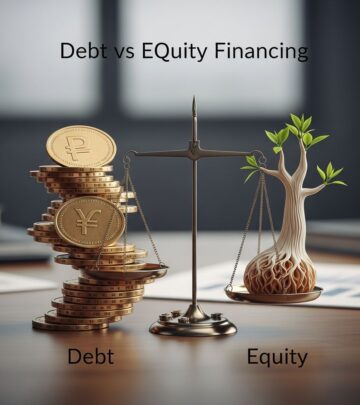
Mezzanine Debt vs. Equity Financing: Equity financing provides permanent capital but dilutes ownership and may trigger control changes. Mezzanine debt preserves ownership control but requires eventual repayment and involves higher interest costs.
Frequently Asked Questions
Q: What is the typical duration of mezzanine financing agreements?
A: Mezzanine debt typically has 5-10 year terms, structured as bridge financing rather than permanent capital. Companies generally refinance or retire mezzanine debt through operational improvements, asset sales, or IPOs.
Q: Can mezzanine lenders convert debt to equity?
A: Yes, most mezzanine instruments include conversion rights allowing lenders to convert outstanding debt into equity at predetermined ratios upon specific triggering events such as IPOs, acquisitions, or financial milestone achievement.
Q: What happens to mezzanine debt if a company files for bankruptcy?
A: In bankruptcy, mezzanine lenders recover only after senior debt holders receive full payment. If insufficient assets remain, mezzanine lenders may recover nothing, making thorough underwriting critical.
Q: Who typically provides mezzanine financing?
A: Specialized mezzanine funds, hedge funds, institutional investors, and private credit firms provide mezzanine financing. These investors focus specifically on subordinated debt and hybrid securities.
Q: How does PIK (Paid-in-Kind) interest work in mezzanine debt?
A: With PIK interest, companies defer cash interest payments by adding accrued interest to the principal amount. This preserves cash during operations but increases total debt burden, with interest accruing until maturity or conversion.
Q: Can mezzanine debt be used for dividend recapitalizations?
A: Yes, mezzanine debt commonly finances dividend recapitalizations where sponsor investors extract cash returns from portfolio companies through increased leverage, with mezzanine lenders providing the subordinated capital.
Q: What covenants typically appear in mezzanine financing agreements?
A: While lighter than senior debt, mezzanine agreements typically include minimum EBITDA requirements, maximum leverage ratios, restrictions on additional debt, limitations on dividend payments, and requirements for maintaining specified insurance coverage.
References
- Mezzanine Debt and Capital Structure — Moonfare. 2025. https://www.moonfare.com/glossary/mezzanine-debt
- Mezzanine Financing: Definition and Debt Characteristics — Wall Street Prep. 2025. https://www.wallstreetprep.com/knowledge/mezzanine-financing/
- What is Mezzanine Financing — Business Development Bank of Canada. 2025. https://www.bdc.ca/en/articles-tools/entrepreneur-toolkit/templates-business-guides/glossary/mezzanine-financing
- Mezzanine Financing Overview, Rate of Return, and Benefits — Corporate Finance Institute. 2025. https://corporatefinanceinstitute.com/resources/commercial-lending/mezzanine-financing/
- Mezzanine Debt: What It Is and When to Use It — Carta. 2025. https://carta.com/uk/en/learn/startups/fundraising/debt-financing/private-credit/mezzanine-debt/
Similar Articles








Read full bio of Sneha Tete