What Is MetaBank? IRS Stimulus Check Debit Cards
Understanding MetaBank's role in delivering Economic Impact Payment debit cards from the IRS.
What Is MetaBank, and Why Is It in Charge of Stimulus Check Debit Cards?
During the COVID-19 pandemic, the U.S. government distributed three rounds of economic stimulus payments to eligible Americans. While most recipients received their funds through direct deposit or paper checks, millions received their payments via prepaid debit cards issued by MetaBank, N.A. These cards, formally known as Economic Impact Payment (EIP) Cards, represented a significant logistical undertaking by the Treasury Department and the Internal Revenue Service to deliver relief payments as quickly and efficiently as possible.
The debit cards arrived in white envelopes bearing the Department of the Treasury seal, with the cards themselves displaying mentions of Visa, Money Network, and MetaBank, N.A. Understanding what MetaBank is and how these stimulus check debit cards work is essential for anyone who received their payment in this format.
Why Are Some Stimulus Checks Being Sent as Debit Cards?
The primary reason the IRS and Treasury Department chose to send stimulus payments as prepaid debit cards was speed. The federal government prioritized rapid delivery of funds to as many eligible Americans as possible during the economic crisis created by the pandemic. Direct deposit was the fastest method, reaching recipients’ accounts within days. Paper checks, while slower, provided a traditional alternative. The prepaid debit cards offered a middle ground—faster than waiting for mail delivery of paper checks but accessible to those without valid banking information on file with the IRS.
The EIP Cards were specifically sponsored by the Bureau of the Fiscal Service under the Treasury Department. The distribution of approximately 8 million debit cards represented a substantial component of the government’s payment delivery strategy. Unlike the first stimulus round, where some recipients were caught off guard by the format, the government was better prepared with the second and third rounds to inform the public about the debit card option.
Who Received EIP Cards?
The IRS did not have a predetermined system for determining who would receive debit cards versus paper checks or direct deposits. Recipients in all 50 states and Washington, D.C. received EIP Cards, with particular concentrations in western U.S. states. There was no guarantee that if you received a paper check in the first stimulus round, you would receive the same method for subsequent payments.
Certain groups were more likely to receive EIP Cards. If you had previously used a tax preparer service such as H&R Block or TurboTax, you might have received a debit card. This sometimes occurred because the IRS attempted to send direct deposits to temporary bank accounts used specifically for tax refund transfers. When these deposits were rejected, the IRS defaulted to sending either a physical check or a prepaid debit card.
Understanding What MetaBank Is
MetaBank, N.A. is a financial institution that was selected by the Treasury Department to serve as the government’s financial agent for the U.S. Debit Card program. This selection followed a competitive bidding process conducted by the Treasury’s Bureau of the Fiscal Service in 2016. As the financial agent, MetaBank was responsible for issuing the prepaid debit cards and managing the associated accounts on behalf of the federal government.
MetaBank works in conjunction with Money Network Financial, LLC, which manages the day-to-day card operations and customer service functions. This partnership allowed the Treasury Department to leverage existing private sector infrastructure and expertise to efficiently distribute stimulus payments. The bank’s role extended beyond merely issuing cards—it included managing customer service inquiries, processing transactions, and ensuring compliance with federal regulations governing the distribution of government funds.
What the Stimulus Check Debit Card Looks Like
Understanding the appearance of the EIP Card is crucial because many Americans were confused by the envelopes and cards arriving in the mail, sometimes discarding legitimate government payments as suspected junk mail. The confusion from earlier stimulus rounds led to widespread loss of funds when recipients unknowingly threw away their payments.
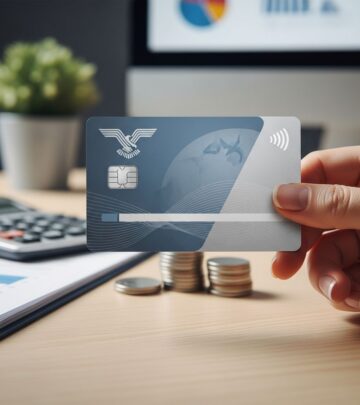
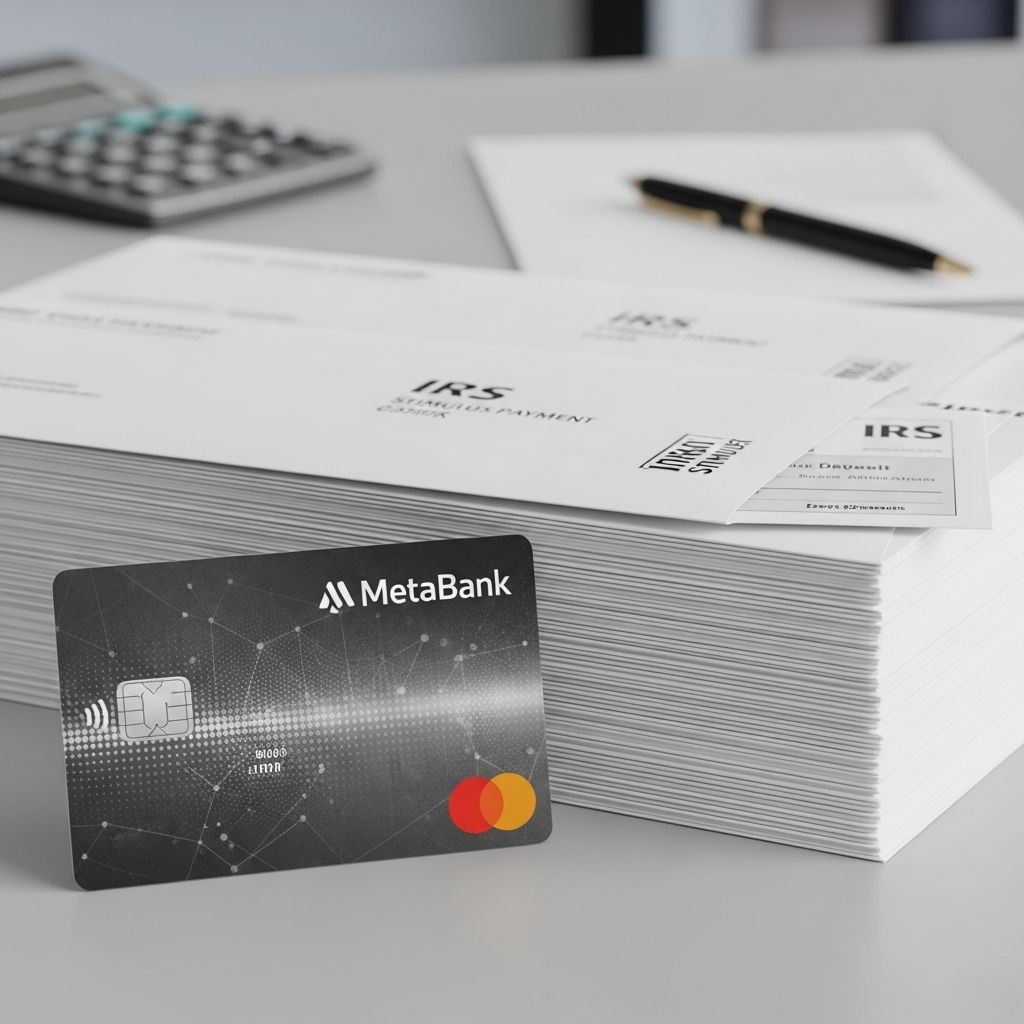
The EIP Card itself is a standard-looking Visa debit card featuring a blue background with white stars. The card displays the Visa logo, the Money Network branding, and MetaBank, N.A. as the card issuer. It functions like any standard prepaid debit card you might obtain from a retail store or financial institution.
The envelope containing the card bears more official markings than the card itself. It displays the return address “Economic Impact Payment Card, PO Box 27022, Omaha, NE 68124-7022,” with a seal indicating its official government origin. Inside the envelope, recipients find the physical debit card along with comprehensive instructions on how to activate it, a fee schedule, and detailed information about accessing customer service.
How to Activate Your EIP Card
Simply receiving an EIP Card does not automatically grant access to the stimulus funds. Recipients must complete several activation steps before using the card for purchases or cash withdrawals. The activation process is straightforward but requires careful attention to detail.
The first step involves reading and signing off on the cardholder agreement and fee schedule included with the card. This document outlines the terms of use, any associated fees, and your rights and responsibilities as a cardholder. After reviewing these documents, you must establish a four-digit personal identification number (PIN) and sign the back of the card as required by standard debit card security protocols.
To activate the card by phone, recipients can call 1-800-240-8100. This customer service line provides support for activation, account inquiries, and technical issues. Additional resources and frequently asked questions are available on the EIPCard.com website, which serves as the central information hub for all questions related to Economic Impact Payment Cards.
What You Can Do With an EIP Card
Once activated, an EIP Card functions identically to any other prepaid Visa debit card. This flexibility was intentional, as the government sought to provide recipients with maximum utility for their stimulus payments.
Making Purchases
EIP Cards can be used at any retail establishment, restaurant, online merchant, or service provider that accepts Visa debit cards. Whether shopping for groceries, paying for utilities, or making online purchases, the card works seamlessly wherever Visa is accepted. Recipients are not limited in the types of purchases they can make or the number of transactions they can conduct.
Withdrawing Cash
Cardholders can withdraw cash from their EIP Card using automated teller machines (ATMs) at most financial institutions nationwide. This flexibility allows recipients to access their funds in the form most convenient for them, whether for immediate cash needs or to transfer funds into a personal bank account.
Depositing Funds Into a Bank Account
For recipients who prefer to maintain their stimulus payments in a traditional savings or checking account, EIP Cards can be used to deposit funds into any personal bank account at no cost. This option provides a pathway for integrating the stimulus payment into an existing financial management system.
No Expiration Date
Unlike some prepaid cards that expire after a certain period, the funds loaded onto an EIP Card do not expire. Recipients can access their full stimulus payment balance indefinitely, providing flexibility in when and how they choose to use the funds.
Understanding EIP Card Fees
While EIP Cards provide a convenient delivery mechanism for stimulus payments, some fees are associated with certain types of transactions. Understanding these fees helps recipients maximize the value of their stimulus payments.
When withdrawing cash over the counter from a bank teller rather than an ATM, the standard fee is $5.00 per transaction. However, the government waived this fee for the first withdrawal, recognizing that recipients should not lose any portion of their stimulus payment due to accessing their own money. Subsequent over-the-counter withdrawals may incur the $5 fee, though recipients can avoid this by using ATMs, which typically do not charge additional fees.
The comprehensive fee schedule is included with your card, and additional information is available by calling the customer service line or visiting the online FAQ section.
Important Considerations and Best Practices
Recognizing the widespread confusion and accidental discarding of stimulus payments in earlier rounds, both the IRS and Treasury Department emphasized the importance of recognizing official payment envelopes. The plain appearance of the EIP Card envelopes, combined with the unfamiliar MetaBank and Money Network branding, caused many recipients to believe they had received unsolicited mail or potential scams.
If you receive an envelope from “Economic Impact Payment Card, PO Box 27022, Omaha, NE 68124-7022,” treat it as legitimate government correspondence. Do not discard it without carefully examining the contents. The card inside represents real government funds designated for your use.
Additionally, be cautious about sharing card information with others or responding to unsolicited requests for your EIP Card details. While the cards themselves are legitimate government instruments, scammers have attempted to exploit confusion about the stimulus payment process to defraud recipients.
Frequently Asked Questions About EIP Cards
Q: Can I use an EIP Card just like a regular debit card?
A: Yes, an EIP Card functions exactly like a standard Visa debit card. You can use it to make purchases anywhere Visa is accepted, withdraw cash from ATMs, and transfer funds to your bank account.
Q: What should I do if I lose my EIP Card?
A: If your card is lost or stolen, contact Money Network customer service immediately at 1-800-240-8100 to report the issue and prevent unauthorized use of your stimulus funds.
Q: Why did I receive a debit card instead of a direct deposit or check?
A: The IRS uses multiple delivery methods to reach all eligible Americans as quickly as possible. The method you receive depends on the information available in IRS records. There is no way to request a specific payment method.
Q: Do the funds on my EIP Card expire?
A: No. The funds loaded onto your EIP Card do not have an expiration date. You can access your stimulus payment balance at any time in the future.
Q: Can I transfer my EIP Card balance to a savings account?
A: Yes, you can deposit funds from your EIP Card into any savings or checking account at no cost, providing an alternative to spending directly from the card.
Q: What fees are associated with using an EIP Card?
A: Most transactions are free, including purchases and ATM withdrawals. Over-the-counter cash withdrawals from a bank teller cost $5, though your first withdrawal is free.
Q: Is MetaBank a reputable company?
A: Yes, MetaBank was selected by the Treasury Department through a competitive selection process to serve as the financial agent for federal debit card programs. The company has been managing government debit card services since 2016.
Q: What should I do if my EIP Card never arrives?
A: If you were eligible for a stimulus payment and have not received any payment via direct deposit, check, or debit card, contact the IRS directly or review your eligibility using available IRS resources.
References
- Treasury is Delivering Millions of Economic Impact Payments by Prepaid Debit Card — U.S. Department of the Treasury. 2021-01-06. https://home.treasury.gov/news/press-releases/sm1229
- Economic Impact Payments — Internal Revenue Service. 2024-12-20. https://www.irs.gov/coronavirus/economic-impact-payments
- Stimulus Checks for People with Disabilities — National Disability Institute. 2021. https://www.nationaldisabilityinstitute.org/financial-resilience-center/stimulus/
- What to Know About the Second Round of Economic Impact Payment Cards — Federal Trade Commission. 2021. https://consumer.ftc.gov/node/76793
- Treasury is Delivering Millions of Economic Impact Payments by Prepaid Debit Card — U.S. Department of the Treasury, Bureau of the Fiscal Service. 2021-01-06. https://home.treasury.gov/news/press-releases/sm1229
Similar Articles








Read full bio of medha deb