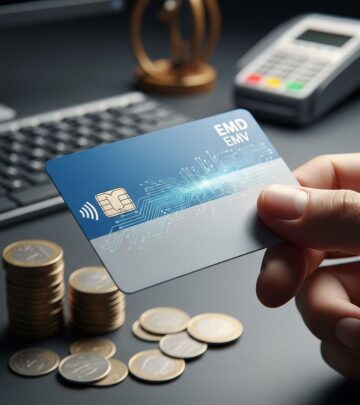
Merchant Account: Definition, How It Works, and Setup
Complete guide to merchant accounts: Learn how businesses accept card payments securely.

What Is a Merchant Account?
A merchant account is a specialized bank account that enables businesses to accept credit card, debit card, and electronic payments from customers. Unlike a standard business checking account, a merchant account serves as an intermediary holding account where customer payment funds temporarily reside while transactions clear and settle. Once the payment processor verifies the transaction and the customer’s bank confirms sufficient funds are available, the money moves from the merchant account into the business owner’s primary business checking account, typically within one to two business days.
Merchant accounts are essential infrastructure in modern commerce. They connect your business to payment networks like Visa and Mastercard, enabling seamless transaction processing. Without a merchant account, businesses cannot directly accept card payments from customers, which is why this service has become indispensable for almost any business operating in today’s digital economy.
How Merchant Accounts Work
The merchant account process involves several key steps that occur relatively quickly, often within minutes. When a customer makes a purchase using a credit or debit card, either in person at a physical location or online, the payment processor receives the transaction details. The processor then clears the card transaction with the appropriate card networks (Visa, Mastercard, American Express, or Discover) and the customer’s issuing bank.
During this clearing process, the processor verifies that:
- The customer’s card is valid and not fraudulent
- The issuing bank confirms the cardholder has sufficient funds or available credit
- The merchant has properly completed their side of the transaction
- No chargebacks or disputes exist
Once these verifications are complete, the funds are deposited into your merchant account. This account acts as a holding tank, temporarily securing the money before it’s transferred to your business bank account. It’s important to understand that while funds sit in the merchant account, you cannot access them directly. They remain frozen until the settlement process transfers them to your primary business account, where you can withdraw and use the money as needed.
Merchant Account vs. Merchant Services Provider
It’s crucial to distinguish between a merchant account and a merchant services provider, as these terms are often used interchangeably but refer to different things.
A merchant account specifically refers to the holding account for temporarily storing customer payment funds. It’s the physical or virtual account where money sits during the clearing and settlement process. Some payment processors may refer to their business customers as “merchant accounts,” emphasizing the account relationship rather than the physical holding tank.
A merchant services provider, by contrast, offers a comprehensive suite of services beyond just the holding account. These providers typically include payment processing, payment gateways, fraud detection, reporting tools, customer support, and other related services. Major payment processors like Stripe, Square, and others are merchant services providers because they offer not just the merchant account but an entire ecosystem of payment-related services.
Your bank may provide merchant accounts directly, or your payment processor may supply them. In many cases, acquiring banks prefer or require that you maintain your business checking account with them as well, creating an integrated financial relationship.
Why Businesses Need Merchant Accounts
Card networks like Visa and Mastercard mandate that all merchants have merchant accounts before they can accept payments. This requirement serves several important purposes:
Legitimacy Verification: When a bank or financial institution agrees to provide a merchant account, it vouches for your business’s legitimacy and creditworthiness. Card networks are unwilling to work with unproven or high-risk businesses. Your merchant account provider essentially serves as your gateway to the payment landscape, confirming that you meet baseline standards for operating a legitimate business.
Risk Management: Merchant accounts help protect card networks and banks from fraud and chargebacks. The holding period allows time for disputes to be identified and resolved before funds are released.
Payment Processing Requirements: If you use a payment processor to collect card transactions directly from customers (rather than through a platform like Shopify or WooCommerce that manages these accounts for you), you must have a dedicated merchant account.
Network Compliance: Card networks enforce strict rules, and merchant accounts ensure compliance with these regulations and industry standards like PCI DSS (Payment Card Industry Data Security Standard).
Merchant Account Fees and Costs
Opening and maintaining a merchant account involves various fees that businesses should understand before committing:
Setup Fee: A one-time fee charged when establishing your merchant account, typically ranging from $10 to $30. Higher-risk businesses may face increased setup fees.
Monthly or Annual Fee: Many merchant account providers charge ongoing maintenance fees, typically between $10 and $50 monthly, regardless of transaction volume.
Monthly Minimum Fee: Providers often require a minimum monthly processing fee. If your actual processing fees fall below this minimum, you’ll be charged the difference. For example, if the monthly minimum is $20 but you only incurred $15 in processing fees, you’d owe an additional $5.
Transaction Fees: Per-transaction fees vary by card type and payment method. Credit cards typically cost 2.6% to 3.5% of the transaction amount plus a per-transaction fee (often $0.15 to $0.30).
Early Termination Fee: Breaking your merchant account agreement before the contract expires usually incurs a penalty. These fees are often calculated based on the remaining contract duration and your monthly processing volume.
Chargeback Fees: If a customer disputes a transaction, you typically pay a fee ($15 to $100) to cover the chargeback processing costs.
PCI Compliance Fee: Some providers charge for PCI DSS compliance monitoring and certification.
Types of Merchant Accounts
There are generally two categories of merchant accounts available to businesses:
Dedicated Merchant Accounts: These accounts are specifically underwritten for your individual business. They involve a thorough application and approval process, which can take several days or weeks. Dedicated accounts offer personalized pricing, customer service, and scalability. These are ideal for businesses with high sales volumes, significant transaction numbers, or those seeking negotiated rates and specialized support.
Aggregated or Pooled Merchant Accounts: These are provided by platforms like Shopify, WooCommerce, Amazon, or Etsy. The platform pools multiple merchants under a single master merchant account, streamlining setup and making it nearly instant. This option is suitable for small businesses, freelancers, and sellers who don’t need a dedicated account and prefer simplicity over customization.
How to Apply for a Merchant Account
Obtaining a dedicated merchant account requires following a structured application process:
Step 1: Research Your Options Evaluate different merchant account providers and payment processors. Compare fees, features, customer service, and contract terms. Consider whether a dedicated account or an aggregated solution better suits your business needs.
Step 2: Gather Required Documentation Most providers require proof of business legitimacy and financial stability. Typical documentation includes:
- Business license or registration documents
- Employer Identification Number (EIN)
- Articles of incorporation or partnership agreements
- Business bank account information
- Personal and business tax returns
- Business plan or operational information
Step 3: Complete the Application Submit a comprehensive application detailing your business type, location, how long it’s been operating, and projected sales volume. Be prepared to provide references and explain your business model.
Step 4: Underwriting Review The merchant account provider reviews your application and conducts underwriting. They assess factors including:
- Industry type and associated risk levels
- Business location and jurisdiction
- Time in business and operational history
- Projected and actual sales volume
- Credit history and financial standing
- Past payment processing history
Step 5: Approval and Activation Once approved, you’ll receive confirmation and can begin processing transactions. Setup typically takes three to seven business days after approval.
Who Can Get a Merchant Account?
Merchant accounts are available to legitimate businesses, but not every business automatically qualifies. Approval depends on several factors:
Business Legitimacy: You must operate a genuine business with proper registration, licensing, and documentation. Sole proprietors, partnerships, LLCs, and corporations are all eligible.
Credit Worthiness: Providers review personal and business credit history. Poor credit doesn’t automatically disqualify you but may result in higher fees or stricter terms.
Industry Type: Some industries are considered higher-risk, including online gambling, adult services, pharmaceuticals, and certain financial services. These businesses face more stringent approval requirements and higher fees.
Processing History: If you’ve had previous merchant accounts that were closed due to fraud or excessive chargebacks, new providers may deny your application.
Time in Business: Newer businesses may face stricter requirements, though many providers work with startups.
Merchant Accounts vs. Escrow Accounts
While different in purpose, merchant accounts function similarly to escrow accounts in some respects. An escrow account is typically managed by a neutral third party and holds funds from a transaction until specific conditions are met and both parties have fulfilled their obligations. Escrow is common in real estate transactions.
Like an escrow account, a merchant account temporarily holds funds to ensure all parties to the transaction (customer, merchant, and banks) have fulfilled their responsibilities. The payment has been received, the merchant has provided the goods or services, and the customer’s bank has confirmed the transaction is legitimate. Once these conditions are satisfied, the funds are released from the merchant account into your business checking account.
Key Players in Merchant Accounts
Understanding the merchant account ecosystem requires knowing the various institutions involved:
Member Banks: Financial institutions that have a direct relationship with card networks like Visa or Mastercard. These member banks can provide merchant accounts directly to businesses.
Acquiring Banks: Banks that specialize in merchant services and work with businesses to process card payments. They often prefer that merchants maintain their business checking accounts with them.
Payment Processors: Companies like Stripe, Square, and PayPal that handle the technical aspects of payment processing and may provide merchant accounts.
ISOs and MSPs: Independent Sales Organizations (ISOs) and Merchant Services Providers (MSPs) are wholesalers and resellers that partner with larger acquirers to offer merchant accounts to smaller businesses.
The U.S. has approximately 315 different merchant acquirers, providing businesses with multiple options when selecting a merchant account provider.
Do You Need a Separate Merchant Account?
Not all businesses need to apply for a dedicated merchant account. Your situation determines whether a separate account is necessary:
You Don’t Need a Separate Account If: You operate through a marketplace platform like Etsy, Amazon, or eBay; you use an all-in-one platform like Shopify or WooCommerce; or you primarily accept payments through third-party payment apps like PayPal or Square that manage merchant functionality for you.
You Should Get a Dedicated Account If: You process a high volume of transactions; you operate a multi-channel business accepting direct payments; you require customized pricing and service levels; you need specialized support for your industry; or you want greater control and transparency over your payment processing.
Frequently Asked Questions
Q: How long does it take to get approved for a merchant account?
A: Approval timelines vary, but dedicated merchant accounts typically take three to seven business days after application submission. Aggregated accounts through platforms like Shopify can be set up in minutes or hours.
Q: Can a startup get a merchant account?
A: Yes, many providers work with startups, though you may face stricter requirements or higher fees. Having detailed business plans, financial projections, and proper documentation improves approval odds.
Q: What happens if my merchant account is declined?
A: If declined, you can reapply with another provider, use an aggregated solution through a marketplace platform, or address issues the provider identified and reapply after your circumstances improve.
Q: Can I switch merchant account providers?
A: Yes, but check your contract for early termination fees. Many providers charge penalties if you exit before your agreement expires, though this varies by company.
Q: What is a chargeback, and how does it affect my merchant account?
A: A chargeback occurs when a customer disputes a transaction, and their bank reverses it. Chargebacks cost you money in transaction reversals and chargeback fees. Excessive chargebacks can result in account termination.
References
- Everything You Need to Know About Merchant Accounts for Your Business — ECS Payments. 2025. https://www.ecspayments.com/merchant-accounts-for-small-businesses/
- What Is a Merchant Account? — NerdWallet. 2025. https://www.nerdwallet.com/business/software/learn/what-is-a-merchant-account
- Merchant Accounts: What Merchants Need to Know — Stripe. 2025. https://stripe.com/resources/more/merchant-accounts-101
Similar Articles








Read full bio of Sneha Tete