Medium of Exchange: Definition, Function, Examples
Understanding how money facilitates trade and economic transactions globally.

What Is a Medium of Exchange?
A medium of exchange is a transitional instrument used to settle the trade of products and services among market participants. In essence, it is a system designed to enable the efficient exchange of items of value between buyers and sellers. Currency represents the most common medium of exchange accepted as a standard by all parties for settling economic transactions. However, the concept extends beyond traditional money to encompass any widely accepted instrument that can facilitate trade.
The medium of exchange serves as the foundation of modern economies by eliminating the inefficiencies associated with barter systems, where direct exchange of goods occurred without a standardized medium. In contemporary economic systems, currency as a medium of exchange has made complex economic dynamics possible, enabling millions of transactions daily across local, national, and international markets. The standardization of currency as the medium of exchange has enabled quick trade settlements and reduced transaction costs significantly.
Key Characteristics of a Medium of Exchange
For any instrument to function effectively as a medium of exchange, it must possess several essential characteristics:
1. Real Value and Purchasing Power
The most essential characteristic of a medium of exchange is that it should have real value—that is, it should possess steady and predictable purchasing power. Without inherent value, participants would lack confidence in using it for transactions. This value must remain relatively stable over time to ensure that parties entering into exchanges can rely on the medium’s worth.
2. Wide Acceptance
A medium of exchange must be widely accepted across an economy. If a medium is only accepted by a limited number of parties, it cannot function effectively as a universal tool for transactions. Broad acceptance creates confidence and encourages continued use throughout the market.
3. Reliability and Interchangeability
The medium must be reliable, meaning it remains consistent in quality and value. Interchangeability ensures that one unit is equivalent to another unit of the same denomination. For example, one dollar bill must be treated identically to another dollar bill, regardless of its age or condition within reasonable limits.
4. Intrinsic or Recognized Value
Whether through intrinsic material value (as with precious metals) or through government backing and social consensus (as with fiat currency), a medium of exchange must possess recognized value that all parties acknowledge.
5. Store of Value Function
A medium of exchange should retain its value over time, allowing individuals to store purchasing power for future use. This store of value function is critical because it enables savings and long-term economic planning.
6. Divisibility and Portability
An effective medium of exchange must be divisible into smaller units for transactions of varying sizes and portable enough to be transported easily between parties.
How a Medium of Exchange Works
The primary purpose of a medium of exchange is to facilitate sales and purchases. The process of exchange is carried through a medium when participating parties acknowledge the worth of the medium. In a barter system without a medium of exchange, two parties must have a “double coincidence of wants”—each party must want exactly what the other party has. This limitation severely restricts economic activity.
A medium of exchange eliminates this constraint. When you want to purchase a service but the service provider doesn’t want what you’re offering, the medium of exchange allows you to obtain that medium first and then use it to purchase the desired service. This fundamental shift enables specialization and increases overall economic efficiency.
In an economy, a medium of exchange increases efficiency and acts as a stimulus for increasing trading-related activities. Money allows individuals to focus on specialized skills rather than constantly searching for direct barter opportunities. This specialization leads to greater productivity and economic growth.
The Role of Currency in Modern Economies
Money, represented by currency, enables participation in the market as an equal player. When consumers purchase a product or service, they make a price bid following the producer’s price ask. Such interaction allows producers to determine the item category and the quantity to be produced based on actual market demand rather than arbitrary estimates.
Furthermore, consumers can predict price models and plan their budgets accordingly when a stable medium of exchange exists. Without this predictability, financial planning becomes impossible for individuals and businesses alike. If money loses its characteristics as a medium of exchange or items cannot be valued accurately, it becomes difficult for consumers to plan their budgets and make informed economic decisions.
Market unpredictability results in a chaotic economy when demand and supply cannot be accurately estimated. This unpredictability leads to inflation, deflation, or market instability that undermines economic growth and consumer confidence.
Converting Global Exchanges into Common Terms
The medium of exchange converts worldwide exchanges into common terms to enable smooth trade transactions. Regardless of geographic location, the dynamics of money are easily understood by participating parties. When exchange methods other than money are used, the parties may find it difficult to determine the value of the exchanged item, leading to potential disputes and failed negotiations.
The medium of exchange can also serve as a unit of account for calculating worth when items are presented in uncommon terms. For example, since foreign currencies can be converted from one unit to another, the exchange units can be accounted for accurately. This universal language of value eliminates confusion in international commerce and enables seamless trade across borders.
Non-Monetary Mediums of Exchange
While currency is the primary medium of exchange in modern economies, items other than money can also serve this function. A non-monetary instrument can be considered a medium of exchange if its value either appreciates or stays constant over time. Land and precious metals are classic examples of non-monetary mediums of exchange.
Throughout history, various commodities have served as mediums of exchange, including:
- Precious metals (gold, silver)
- Gemstones and diamonds
- Land and real estate
- Livestock and agricultural products
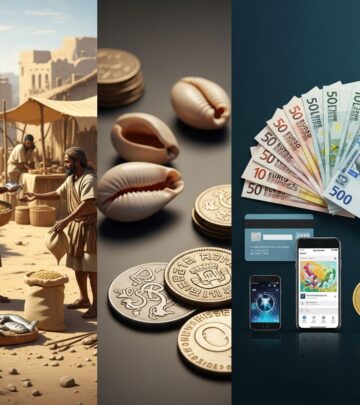
- Shells and beads (in historical contexts)
- Cryptocurrencies (in modern digital contexts)
These alternatives share the characteristic that their value remains relatively stable or appreciates over time, making them suitable for facilitating exchanges and storing value across generations.
Alternative and Local Currencies
Alternative currencies, such as scrip, have surfaced during times of economic pressure to stimulate trade. Local currencies have emerged in the United States to promote economic growth in particular regions and strengthen community bonds.
BerkShares Example: BerkShares represents a notable example of such currency. First issued in 2006 as the local currency of the Berkshires region in Massachusetts, BerkShares are accepted by approximately 400 local businesses. The BerkShares value is pegged to the dollar value and is issued at 95 cents, creating an incentive for residents to use local currency while building community economic resilience. This initiative demonstrates how alternative currencies can support regional economies while maintaining connection to national currency standards.
Advantages of a Medium of Exchange
Increased Economic Efficiency
By eliminating the need for barter and direct value matching, a medium of exchange significantly increases economic efficiency. Transactions can be completed quickly without complex negotiations about relative values.
Facilitates Specialization
Workers can specialize in tasks they perform best, knowing they can exchange their labor’s output for other goods and services using the medium of exchange. This specialization increases productivity across the economy.
Enables Long-Term Planning
The store of value function allows individuals and businesses to plan for the future, invest in capital goods, and accumulate wealth. Economic development depends on this ability to defer consumption and invest.
Standardizes Value
A medium of exchange creates common standards for measuring and comparing value across all economic transactions, reducing confusion and dispute.
Promotes Market Participation
A stable medium of exchange encourages broader participation in markets, including from individuals without direct goods to exchange, thereby expanding economic activity.
Challenges and Considerations
Despite its essential role, mediums of exchange face challenges. Inflation erodes purchasing power over time, reducing the store of value function. Economic crises can undermine confidence in a currency, leading to attempts to find alternative mediums. Digital currencies and cryptocurrencies present new possibilities and complexities for what constitutes a viable medium of exchange in the future.
Additionally, the transition between different mediums of exchange—such as from commodity-based to fiat currency—requires significant coordination and social consensus, often involving government intervention to establish new standards.
Frequently Asked Questions
What is the primary function of a medium of exchange?
The primary function of a medium of exchange is to facilitate the buying and selling of goods and services by providing a standardized, widely accepted instrument for transactions, eliminating the inefficiencies of barter.
Why is currency the most common medium of exchange?
Currency is the most common medium of exchange because it possesses all essential characteristics: real value, wide acceptance, reliability, interchangeability, divisibility, portability, and the ability to store value over time.
Can anything serve as a medium of exchange?
No, not anything can serve as a medium of exchange. The item must have recognized value, be widely accepted, remain relatively stable in value, and possess the practical characteristics needed for transactions.
What are examples of alternative mediums of exchange?
Examples include precious metals (gold, silver), land, commodities, local currencies like BerkShares, cryptocurrencies, and historical items such as shells or beads that held recognized value in their respective societies.
How does a medium of exchange differ from barter?
In barter, parties directly exchange goods without an intermediary, requiring a double coincidence of wants. A medium of exchange eliminates this requirement by providing a universally accepted instrument, enabling more flexible and efficient transactions.
What happens when a medium of exchange loses its value?
When a medium of exchange loses its value, economic chaos can result. Consumers cannot accurately plan budgets, demand and supply become unpredictable, and market participants may search for alternative mediums or resort to barter, undermining economic stability.
References
- Medium of Exchange – Definition, How It Works, Example — Corporate Finance Institute. 2025. https://corporatefinanceinstitute.com/resources/economics/medium-of-exchange/
- U.S. Mint: The Purpose of Money — United States Mint (official U.S. government source). https://www.usmint.gov/
- Federal Reserve: What is Money? — Federal Reserve System (U.S. central banking authority). https://www.federalreserve.gov/
Similar Articles








Read full bio of Sneha Tete