Measuring Home Square Footage: A Complete Guide
Learn the essential techniques and formulas for accurately calculating your property's total square footage.
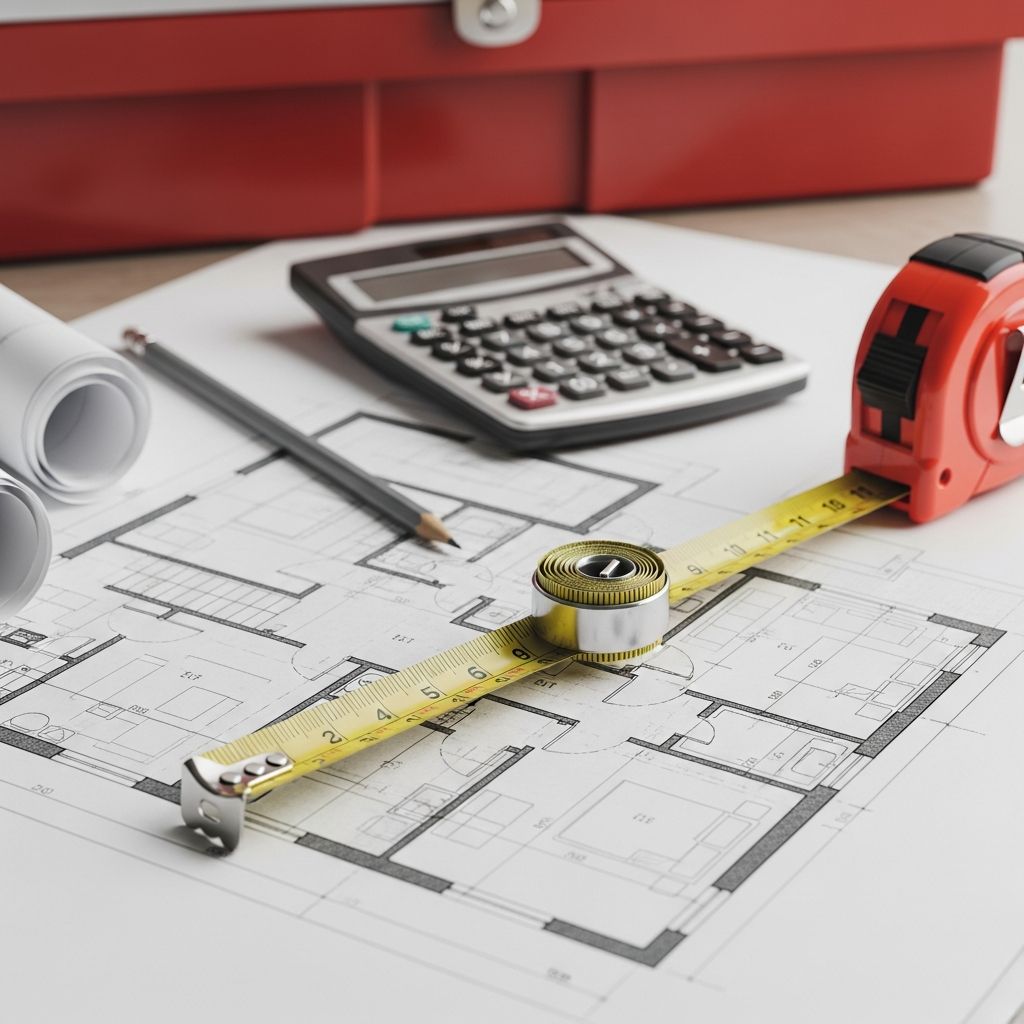
Understanding your home’s total square footage is one of the most fundamental aspects of property ownership. Whether you’re planning renovations, comparing properties, calculating heating and cooling costs, or preparing for a real estate transaction, knowing your home’s precise dimensions matters. This comprehensive guide walks you through the process of measuring and calculating square footage for any residential property.
Why Square Footage Measurement Matters
Square footage serves as a critical metric in real estate valuation, property taxation, insurance calculations, and renovation planning. Accurate measurements ensure you understand your living space completely and can make informed decisions about property improvements and investments. The process requires attention to detail but remains accessible to any homeowner with basic tools and patience.
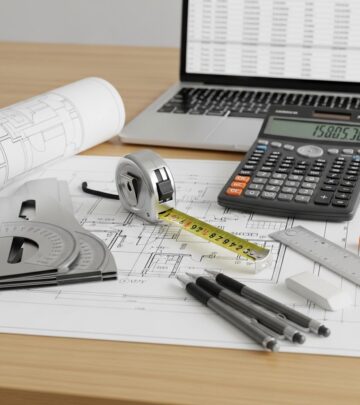
Essential Tools and Materials for Measurement
Before beginning your measurement project, gather the following items:
- Measuring tape (25-50 feet recommended for accurate readings)
- Laser measuring device (optional but increasingly popular for precision)
- Pencil and paper for recording dimensions
- Graph paper for sketching floor plans
- Calculator for computing areas
- Clipboard for portability while measuring
Modern laser measuring tools have revolutionized home measurement by eliminating the need for manual tape manipulation and reducing human error. However, traditional measuring tapes remain effective and cost-efficient for most homeowners.
Understanding the Fundamental Measurement Formula
The foundation of all square footage calculations rests on one essential formula: Area equals length multiplied by width. This simple mathematical relationship applies to rectangular and square spaces, which comprise the majority of residential room shapes. For a one-story home measuring 60 feet wide by 40 feet long, the total square footage would be 2,400 square feet (60 × 40 = 2,400).
While this formula works for basic rectangular spaces, most homes contain rooms with varied shapes, alcoves, closets, and architectural features that require modified approaches. Understanding how to apply and adapt this fundamental formula to different room configurations is essential for accurate total measurements.
Step-by-Step Measurement Process
Creating Your Initial Sketch
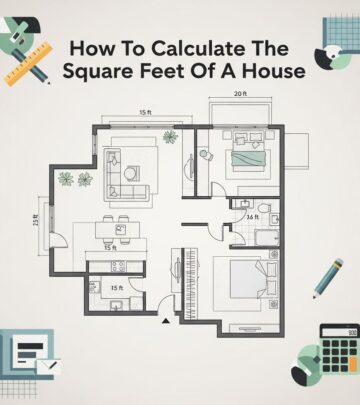
Begin by drawing a rough outline of your entire home on paper, clearly labeling every distinct space including bedrooms, bathrooms, kitchen, hallways, closets, and entry vestibules. Each of these areas should appear as separate sections on your sketch, as you’ll record individual measurements for each. This visual reference prevents overlooking spaces and keeps your measurement project organized throughout the process.
Measuring Individual Rooms
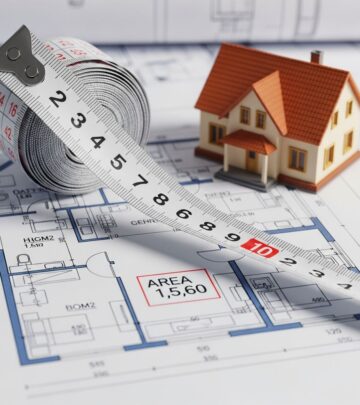
For each room on your sketch, measure the length and width in feet, recording these numbers clearly next to the corresponding space on your floor plan. Round measurements to the nearest half-foot for consistency and simplicity. For example, a bedroom measuring 12 feet by 20 feet would calculate to 240 square feet (12 × 20 = 240).
Take measurements from wall to wall, including baseboards and other permanent fixtures. Ensure your measuring tape remains straight and level for accuracy. For unusually shaped rooms, break the space into multiple rectangles, measure each section separately, then add the results together.
Aggregating Your Measurements
Once every individual room has been measured and calculated, add all the room square footage totals together to determine your home’s complete square footage. This cumulative number represents your property’s total livable space and serves as the basis for further calculations regarding property value, heating efficiency, or renovation costs.
Addressing Irregular Room Shapes
Many homes feature rooms with irregular configurations that don’t fit the standard rectangle model. The most effective approach involves breaking these spaces into multiple rectangular sections. For instance, an L-shaped room can be divided into two rectangles, each measured and calculated separately, then combined for the total area.
Consider these common irregular configurations:
- L-shaped spaces: divide into two or more rectangles
- Rooms with alcoves: measure the main rectangle, then add the alcove as a separate section
- Angled walls or sloped ceilings: estimate the rectangular approximation or consult professional appraisers
- Bay windows or protrusions: calculate as additional rectangular sections
Accounting for Complex Architectural Features
Homes with complex architectural elements require special consideration. Walls, windows, doors, and other openings affect how professionals calculate square footage. When calculating wall area for construction or covering purposes, multiply wall height by width. If you need to account for window or door openings in wall coverage calculations, subtract the window area (height × width) from the total wall area.
Triangular spaces, common in A-frame ceilings or attic areas, use the formula: Area equals one-half times base times height. Understanding these specialized formulas ensures you accurately measure spaces throughout your home, regardless of their geometric configuration.
Specialized Measurement Scenarios
Multi-Story Homes
For homes with multiple levels, calculate the square footage for each floor separately, then add the totals together. Ground floor, second floor, and any finished basement spaces should be measured and recorded independently, then combined for the complete home square footage.
Partially Finished Spaces
Real estate professionals typically count only finished, livable spaces in official square footage calculations. Unfinished basements, attics, or garages generally are not included in the primary square footage measurement, though some properties list these separately. Confirm what your local real estate standards consider “livable space” before finalizing your measurements.
Attached Structures
Garages, sunrooms, enclosed porches, and other attached structures are sometimes calculated separately from the main living area. Record these measurements independently and note them distinctly on your floor plan, as they may affect property value calculations differently than interior living space.
Measurement Accuracy and Common Mistakes
Several factors can compromise measurement accuracy. Measuring on angles or with bent tapes introduces errors, as does rounding inconsistently throughout your calculations. Always keep your measuring tape tight and straight, and maintain consistent rounding standards (nearest half-foot or nearest foot) throughout the entire project.
Different appraisers may arrive at slightly different square footage totals for the same property because each professional applies their preferred measurement methodology. Some use traditional tape measures, others prefer laser devices, and experienced appraisers may estimate difficult spaces visually. These professional variations typically remain relatively minor but demonstrate that small measurement decisions accumulate across large properties.
Using Existing Documentation
If you live in a tract home, condo, or townhouse within a planned community, contact your homeowners association or the original builder to request architectural drawings or master floor plans. These professional documents often include pre-calculated square footage that eliminates the need for your own measurements. Real estate documents, property tax assessments, and mortgage papers frequently contain official square footage figures as well.
Digital Tools and Online Calculators
Numerous online square footage calculators can streamline your computations once you’ve gathered measurements. These tools accommodate various shapes including rectangles, squares, circles, triangles, and trapezoids. Simply input your measurements and the calculator automatically computes the area, often providing results in multiple units (square feet, square yards, square meters).
Many online calculators also estimate material costs by allowing you to input price per unit, helping with renovation planning. Some tools account for waste factors when calculating material quantities for flooring, carpeting, or tiling projects.
When to Call Professional Help
For complex properties, disputed measurements, or official documentation requirements, professional home appraisers provide accurate square footage calculations. These specialists have experience with diverse property types and challenging architectural features that might confuse homeowners. Professional appraisers are particularly valuable if your measurements will affect property value, insurance claims, or legal disputes.
Practical Measurement Examples
| Room Type | Typical Dimensions | Calculation | Square Footage |
|---|---|---|---|
| Master Bedroom | 15 ft × 18 ft | 15 × 18 | 270 sq ft |
| Kitchen | 12 ft × 14 ft | 12 × 14 | 168 sq ft |
| Bathroom | 8 ft × 10 ft | 8 × 10 | 80 sq ft |
| Living Room | 16 ft × 20 ft | 16 × 20 | 320 sq ft |
| Garage (2-car) | 20 ft × 20 ft | 20 × 20 | 400 sq ft |
Converting Between Measurement Units
If your measurements include different units (some in feet, some in inches), convert everything to feet before multiplying. Remember that 12 inches equals one foot, so divide any inch measurements by 12 before calculating area. This standardization prevents calculation errors and ensures consistent results throughout your project.
Frequently Asked Questions About Home Measurement
Should I include closets in room square footage?
Yes, closets count as part of the room they serve. If you have a walk-in closet, measure it as an extension of the bedroom or the space it adjoins. Hallway closets should be measured separately as part of hallway square footage.
Do bathrooms count the same as living space?
All finished interior spaces count toward total square footage. Bathrooms, utility rooms, hallways, and closets all contribute to your home’s overall measurement, though real estate value per square foot may vary by room type.
How do I measure sloped or vaulted ceilings?
Measure the floor dimensions (length × width) regardless of ceiling height or slope. Square footage calculations are based on floor area, not vertical measurements. Unusual ceiling configurations don’t change the floor space calculation.
Are basements included in official square footage?
Only finished basements with proper ceiling height, walls, and flooring count toward official square footage. Unfinished basements, crawl spaces, and utility areas typically don’t count, though they may be listed separately as bonus or additional space.
What measurement standard do real estate professionals use?
Real estate standards vary by location and organization, but most focus on finished, climate-controlled livable space. Attached structures like garages are usually measured separately. Check your local real estate board or appraiser standards for specific guidelines in your area.
References
- How To Calculate The Square Feet Of A House — Bankrate. 2024. https://www.bankrate.com/real-estate/determine-square-footage-of-home/
- Calculating Your Home’s Square Footage — Real Group Real Estate. 2024. https://realgroupre.com/blog/382-calculate-home-square-footage.html
- Square Footage Calculator — Calculator Soup. 2024. https://www.calculatorsoup.com/calculators/construction/square-footage-calculator.php
- How to Measure Square Footage for Residential Property — Stacy Grove Real Estate. 2024. https://stacygrove.com/blog/how-to-measure-square-footage-for-residential-property/
- How Do You Calculate Square Footage — Alcove Blog. 2024. https://alcoverooms.com/blog/post/how-do-you-calculate-square-footage
- How to Accurately Measure Any Home Exterior — EagleView. 2024. https://www.eagleview.com/roofing/how-to-accurately-measure-any-home-exterior/
Similar Articles








Read full bio of medha deb