Best Credit Card For Everyday Spending: Smart Selection Guide
Turn routine shopping into valuable rewards with strategic card selection

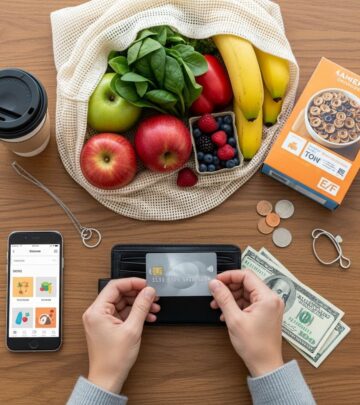
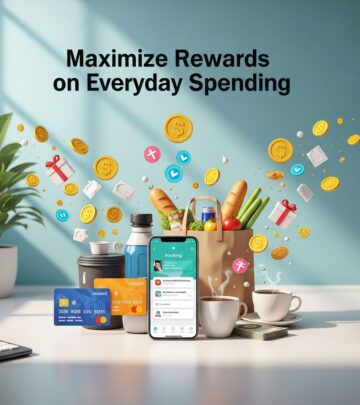
Most consumers spend a significant portion of their income on routine, everyday expenses—groceries, gas, dining, and utilities. Yet many fail to leverage these routine transactions to earn meaningful rewards. By selecting the appropriate credit card and implementing a strategic approach to everyday spending, you can transform ordinary purchases into a consistent stream of rewards, cash back, or travel points. This guide explores how to identify the best card for your lifestyle and maximize the value you extract from every transaction.
Understanding the Foundation: Why Everyday Cards Matter
Everyday credit cards differ fundamentally from travel-focused or category-specific cards. Rather than offering premium benefits geared toward annual spending thresholds or luxury perks, everyday cards prioritize earning rates on the purchases you make regularly. These cards typically feature rewards structures aligned with common expense categories such as groceries, fuel, dining, and online shopping.
The distinction is critical: while a luxury travel card might offer a substantial sign-up bonus and premium concierge services, an everyday card prioritizes consistent, accessible earning potential on routine transactions. For households that spend modestly in any single category, or for individuals seeking simplicity, everyday cards provide a more practical path to accumulating rewards without requiring large annual outlays.
Key Factors in Selecting Your Ideal Everyday Card
Choosing the right everyday credit card requires evaluating several interconnected dimensions of your spending behavior and financial goals.
Analyzing Your Spending Patterns
Begin by tracking where your money goes across a typical month or quarter. Do you frequent grocery stores, or do you rely on delivery services and restaurants? Do you commute by personal vehicle, use public transit, or work from home? Are subscriptions and streaming services a meaningful portion of your budget? Understanding your authentic spending distribution is the foundation for card selection.
If 40% of your spending occurs at supermarkets and another 20% at gas stations, a card offering elevated earning rates in those categories will substantially outperform a card with flat-rate rewards across all purchases. Conversely, if your spending is evenly distributed across many categories, a flat-rate or modest multi-category card may be more suitable than chasing maximum rewards in areas where you don’t actually spend much.
Annual Fee Considerations
An annual fee is only justified if the rewards you earn exceed that cost. A card with a $95 annual fee must generate at least $95 in value through rewards, discounts, or credits to break even. For some cards, this is straightforward: a card offering a $120 credit for Global Entry or TSA PreCheck inclusion provides immediate, tangible value regardless of your spending. For cards relying purely on spending-based rewards, calculate your expected annual rewards across your actual spending and compare that to the fee.
Cards with no annual fees eliminate this calculation but may offer modestly lower earning rates. These cards excel for individuals with lower spending volumes, inconsistent spending patterns, or those new to credit card optimization. Starting with a no-fee card and upgrading to a premium card once your spending justifies the fee is a sensible progression.
Reward Type and Redemption Preferences
Rewards come in several forms: cash back, points, or miles. Each serves different financial objectives. Cash back represents the simplest redemption path—funds post directly to your account as statement credits or deposits. Points systems offer greater flexibility but require understanding how your card issuer values points; redemption might involve travel bookings, merchandise, or cash equivalent. Miles typically target frequent flyers or those with specific travel aspirations.
Your preference matters. If you value simplicity and direct financial benefit, cash back excels. If you travel frequently and have loyalty to a particular airline or hotel chain, a co-branded miles card or points card with dedicated travel partners may provide superior value. If you’re uncertain about your redemption preferences, starting with a cash back card eliminates the risk of earning rewards you cannot effectively use.
Evaluating Common Everyday Card Earning Structures
Contemporary everyday cards employ several distinct earning models. Understanding these frameworks helps identify which aligns with your spending.
Multi-Category Tiered Systems
Many everyday cards offer elevated earning rates in three to five specific categories, with a lower baseline rate on all other purchases. For example, a card might offer 4% on supermarkets (up to $25,000 annually, then 1%), 3% at gas stations, 2% on dining, and 1% elsewhere. This structure maximizes rewards for common expenses while incentivizing the card for all purchases.
These cards work best when your spending aligns closely with the featured categories. If the card highlights supermarkets but you rarely cook at home, or emphasizes gas stations but you drive infrequently, the premium earning rates won’t meaningfully benefit you. Conversely, if the categories match your lifestyle, tiered cards often provide substantially higher returns than flat-rate alternatives.
Flat-Rate Cards
Flat-rate cards offer a consistent earning percentage across all purchases, such as 1.5% or 2% cash back everywhere. These cards prioritize simplicity and consistency over category optimization. They excel for individuals whose spending is genuinely distributed across many categories, or those who prioritize convenience over maximum optimization.
The flat-rate approach also suits those uncomfortable with rotating categories, spending caps, or the complexity of tracking which purchases qualify for bonus rates. A flat-rate card guarantees you earn your stated rate on every transaction, eliminating behavioral friction.
Rotating Category Cards
Some cards feature rotating bonus categories that change each quarter. You might earn 5% in one category (such as groceries) for three months, with the bonus rotating to another category (such as dining) the following quarter. These cards often cap the bonus earnings at $6,000 per year, after which you earn a lower flat rate.
Rotating cards require active engagement: to maximize value, you must track which categories are active, plan purchases accordingly, and activate categories through the issuer’s website or app. For organized consumers, rotating cards can deliver excellent value. For those who prefer passive earning, the engagement requirement makes them less suitable.
Top Earning Categories for Everyday Spending
Most everyday credit cards cluster their elevated earning rates around several universal categories. Understanding what earns you the most value across the landscape helps inform card selection.
Supermarket and Grocery Purchases
Grocery spending represents a consistent, unavoidable expense for most households. Cards recognizing this reality frequently offer premium earning rates at supermarkets—often 3% to 6% cash back or points. Some cards cap this bonus (such as earning the elevated rate on the first $25,000 annually), while others provide uncapped earning. For households with significant grocery spending, even a small percentage advantage compounds substantially over months and years.
Gas Station Purchases
Fuel represents another near-universal expense for those who drive. Earning rates on gas stations frequently range from 3% to 5% cash back. As with groceries, cards may or may not cap bonus earning. Commuters and those with longer driving habits particularly benefit from elevated gas rewards.
Dining and Restaurants
Dining constitutes a significant discretionary expense for many consumers. Credit card companies recognize this and frequently offer bonus earning at restaurants—typically 2% to 4% cash back or points. Some cards differentiate between casual dining, fine dining, and food delivery services, offering varying rates. As delivery services become increasingly common, cards offering bonus earning on food delivery platforms (such as UberEats or Grubhub) appeal to growing consumer behavior.
Streaming and Subscriptions
Modern households increasingly subscribe to streaming entertainment, software, or service platforms. Some contemporary everyday cards recognize this by offering bonus earning on these increasingly common expenses, typically at 2% to 3% cash back. This category reflects evolving consumer spending patterns and provides value to those with multiple streaming or subscription services.
Travel and Transit
Beyond flights and hotels, everyday cards often include earning bonuses on ground transportation: rideshare services, tolls, parking, and public transit. For urban residents or frequent business travelers, these categories can represent meaningful spending. Cards often offer 2% to 4% cash back on transit-related expenses.
Comparing Card Options: A Structured Framework
| Card Type | Best For | Typical Annual Fee | Key Advantage | Key Consideration |
|---|---|---|---|---|
| No-Fee Flat-Rate | Simplicity seekers | $0 | Consistent earning, no complexity | Lower earning rates |
| No-Fee Multi-Category | Moderate spenders | $0 | Bonus rates without annual cost | May have category spending caps |
| Premium Multi-Category | High spenders | $95+ | Highest earning rates, premium benefits | Fee requires substantial earning to justify |
| Rotating Category | Engaged optimizers | $0 | Highest category earning rates | Requires quarterly activation and tracking |
Practical Strategies for Optimizing Everyday Spending
Consolidate Spending on Optimized Cards
Rather than maintaining multiple cards for different purposes, many savvy consumers consolidate everyday spending onto one or two well-chosen cards. This approach simplifies account management, reduces the risk of overlooking bonus categories, and often results in higher rewards because you’re concentrating volume. If one card offers superior grocery rewards and another excels at gas stations, consider whether your total rewards exceed the cumulative annual fees and mental overhead of managing both.
Align Card Selection with Lifestyle Changes
Your spending patterns evolve with life circumstances. Someone who recently switched to working remotely may no longer commute and thus shouldn’t prioritize gas rewards. A parent with young children might shift spending substantially toward groceries and restaurants. Periodically reassessing whether your current cards align with your actual spending ensures you’re not leaving rewards on the table.
Strategic Use of Sign-Up Bonuses
When opening a new credit card, sign-up bonuses often provide substantial value—sometimes $200 to $500 in rewards. However, these bonuses typically require meeting a minimum spending threshold over a defined period. Plan to apply for new cards when you anticipate meeting these requirements through organic spending, rather than artificially inflating purchases to claim bonuses.
Protect Your Rewards Rate with Timely Payments
Rewards accrue only on completed transactions. If a card involves an interest charge or late fee that exceeds the rewards earned, your net benefit becomes negative. Automated payments ensure you never miss a due date and that rewards remain purely beneficial without offsetting costs.
Frequently Asked Questions
How do I know if an annual fee is worth paying?
Calculate your expected annual rewards by multiplying your anticipated annual spending in each bonus category by its earning rate, then summing across all categories. If this total exceeds the annual fee by a meaningful margin (typically at least 50%), the fee is likely justified. Additionally, consider any automatic credits (such as travel credits or shopping credits) that offset the fee.
Should I have multiple everyday cards?
Multiple cards can be optimal if they target different spending categories and you have sufficient spending volume to justify managing them. However, many consumers find a single well-chosen everyday card, potentially combined with a specialized card (such as a dining card if you spend heavily on restaurants), represents the optimal balance of rewards maximization and simplicity.
What’s the difference between cash back and points?
Cash back is a direct financial reward, typically deposited to your account or applied as a statement credit. Points are proprietary currency issued by the card company; their value depends on how you redeem them (such as travel bookings, merchandise, or cash equivalents). Cash back offers greater simplicity; points offer flexibility but require understanding redemption options.
Do spending caps on category bonuses significantly impact rewards?
For most households, no. A card capping bonus earning at $25,000 in annual supermarket spending means only those exceeding that threshold miss out on elevated rates for additional grocery purchases. Unless your spending substantially exceeds typical household levels, spending caps rarely bind in practical terms.
How do I avoid overspending just to earn rewards?
Rewards accrue only on purchases you would make anyway. Never artificially increase spending to maximize rewards; the cost of unnecessary purchases invariably exceeds the rewards earned. View rewards as a benefit of necessary spending, not a justification for increased consumption.
Conclusion: Building Your Optimal Card Strategy
Selecting the best credit card for everyday purchases requires honest assessment of your spending patterns, clear understanding of your redemption preferences, and realistic calculation of whether annual fees deliver value. No single card suits every consumer; the optimal choice depends on your unique circumstances. By systematically evaluating available options against your spending reality, you can identify a card—or combination of cards—that transforms routine expenses into meaningful rewards. The effort invested in this selection process typically yields ongoing benefits for years, making thoughtful card selection one of the highest-return personal finance decisions available to conscientious consumers.
References
- Best credit cards for everyday spending (2026) — Frequent Miler. Accessed February 6, 2026. https://frequentmiler.com/best-credit-cards-for-everyday-spend/
- How to choose a credit card for everyday spending — Bankrate. https://www.bankrate.com/credit-cards/advice/how-to-choose-everyday-spending-card/
- Best Credit Cards for Everyday Purchases — AwardWallet Blog. https://awardwallet.com/credit-cards/best-everyday-credit-card/
- Best credit cards for everyday spending in February 2026 — The Points Guy. https://thepointsguy.com/credit-cards/everyday-spending/
- How to Maximize Credit Card Rewards with Everyday Purchases — Idaho Central Credit Union. https://www.iccu.com/blog/financial-education/how-to-maximize-credit-card-rewards-with-everyday-purchases/
- Why Nearly Every Purchase Should Be on a Credit Card — NerdWallet. https://www.nerdwallet.com/credit-cards/learn/why-every-purchase-should-be-on-a-credit-card
Similar Articles








Read full bio of Sneha Tete