Maximizing Rewards on Office Supply Purchases
Strategic credit card selection unlocks significant cash back on business essentials
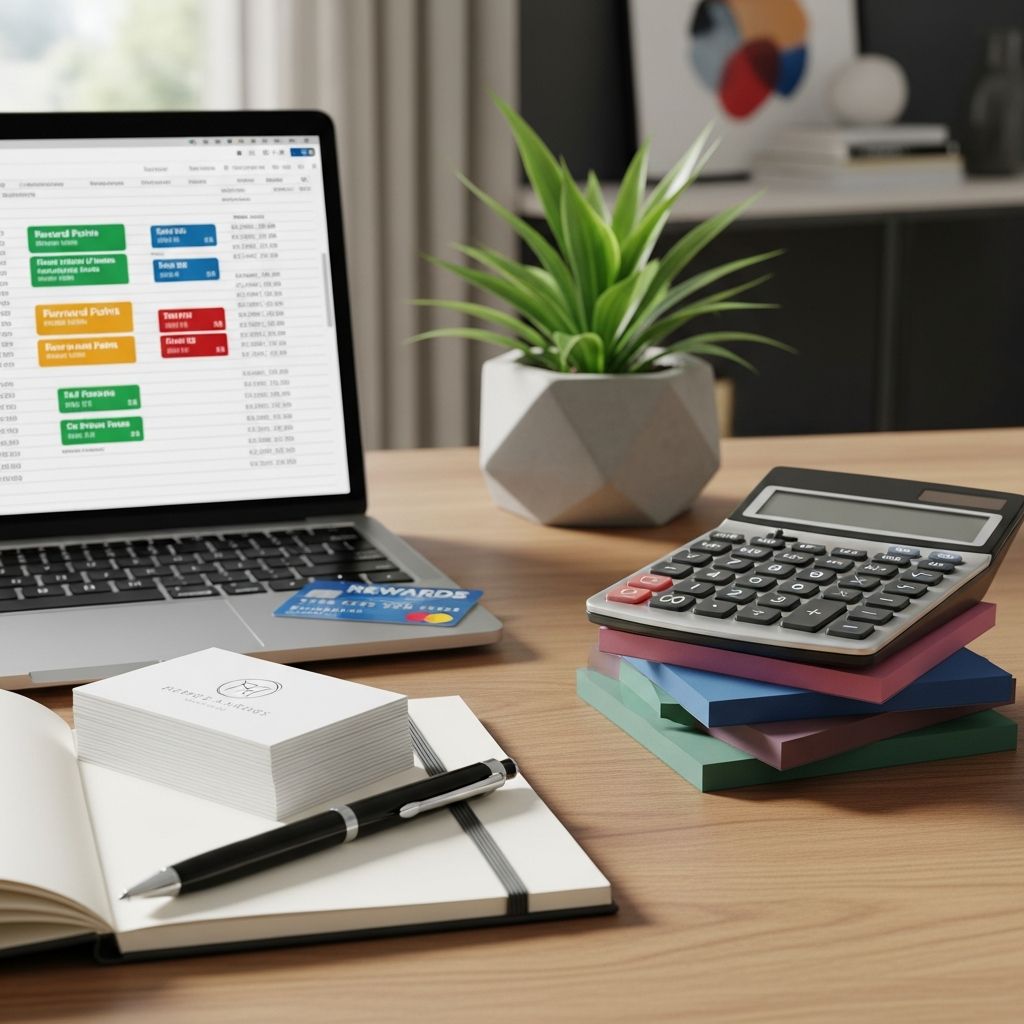
Office supply expenses represent a consistent and often substantial cost for businesses of all sizes. Whether you operate a small freelance practice or manage procurement for a large organization, the regular purchasing of paper, ink, furniture, and technology accessories adds up quickly. Rather than treating these purchases as mere business expenses, savvy business owners recognize them as opportunities to accumulate meaningful financial rewards. By selecting the right credit card and implementing a strategic approach to redemption, you can transform routine office supply purchases into a significant source of value.
Understanding the Value Proposition of Office Supply Rewards
Credit card companies understand that office supplies represent a recurring business expense category. Consequently, many premium business credit cards have designed specific reward structures to incentivize these purchases. Rather than earning a standard 1% cash back on all purchases, dedicated office supply bonus categories can deliver 3%, 4%, or even 5% back on eligible spending. Over the course of a year, this elevated earning potential can translate into hundreds or even thousands of dollars in rewards value.
The fundamental logic behind office supply rewards is straightforward: card issuers benefit from increased cardholder usage and spending volume, while cardholders benefit from recovering a meaningful percentage of their routine business expenditures. This alignment of interests creates genuine value for businesses that actively utilize these cards for their intended purpose. Understanding how to properly leverage this value requires knowledge of which cards offer the most competitive rewards structures and how to optimize redemption approaches.
Comparing Premium Office Supply Reward Cards
The landscape of business credit cards offering office supply bonuses has expanded significantly, giving businesses multiple compelling options. The most competitive cards in this category typically offer between 3% and 5% cash back on office supply store purchases, often with additional bonuses across complementary spending categories such as internet, cable, phone services, and telecommunications expenses.
The Chase Ink Business Cash Card stands out as a market leader in this category. This card delivers 5% cash back on office supply stores alongside bonuses on cell phone, landline, internet, and cable television services, up to a combined annual threshold of $25,000 in spending. Once you exceed this threshold, the cash back rate drops to 1%. The card also provides 2% cash back on gas stations and restaurants (up to $25,000 annually) and 1% on all other purchases. Beyond the category-specific rewards structure, the card features an attractive sign-up bonus of $750 cash back after meeting minimum spending requirements within the first three months of account opening.
The U.S. Bank Business Cash Rewards World Elite Mastercard presents an alternative for businesses seeking no-annual-fee options without sacrificing earning potential. This card offers 3% cash back on gas stations, office supply stores, and cell phone services. What distinguishes this card is its annual bonus structure: the card returns an additional 25% of your accumulated cash back rewards from the previous year, up to a maximum $250 annual bonus. For a business that earned $500 in cash back during a calendar year, this structure would generate an additional $125 in bonus cash back, effectively boosting your total return rate.
The Bank of America Business Advantage Customized Cash Rewards Mastercard takes a different approach by offering flexibility in reward category selection. Cardholders can choose which single category receives a 3% cash back bonus from six options including office supply stores, gas stations, travel, TV/telecom and wireless services, computer services, and business consulting services. The card automatically provides 2% back on dining and 1% on all other purchases. Importantly, this flexibility extends monthly, allowing businesses to adjust their bonus category as spending patterns change throughout the year. The card also comes with a $50,000 annual cap on combined 3% and 2% bonus category spending, after which the return drops to 1%.
Strategic Spending Thresholds and Earning Maximization
One critical aspect of office supply reward optimization involves understanding spending thresholds and caps. Most cards that offer elevated cash back percentages in specific categories implement annual spending limits beyond which the higher rate no longer applies. For example, the Chase Ink Business Cash Card’s 5% office supply category applies only to the first $25,000 in combined eligible spending per account year.
For businesses that spend less than these thresholds annually on office supplies and related services, the high-percentage categories function as effectively unlimited rewards sources. However, businesses with higher spending levels must strategically decide how to optimize their rewards structure. Some approaches include:
- Concentrating office supply purchases on the card with the highest applicable percentage up to the spending threshold, then switching to a backup card for overflow purchases
- Distributing spending across multiple business credit cards to maximize returns across different spending thresholds
- Timing major office supply purchases strategically to align with promotional periods or account opening windows
- Utilizing employee cards, which many issuers offer at no additional cost, to multiply earning potential across multiple cardholders
Synergistic Rewards Strategies with Multiple Cards
Building an optimal rewards portfolio often involves coordinating multiple credit cards with complementary structures. This strategy becomes particularly powerful when one card offers superior office supply bonuses while another excels at travel rewards, dining rewards, or other categories.
For instance, a business that uses the Chase Ink Business Cash Card for office supplies could strategically purchase office supply store gift cards through a different card that offers bonus rewards on grocery or supermarket purchases. The American Express Gold Card, for example, delivers 4x Membership Rewards points on supermarket purchases up to $25,000 annually. If an office supply store gift card is available at a participating grocery retailer, the cardholder could earn the supermarket bonus on the gift card purchase, then use the gift card to buy office supplies without triggering the spending threshold cap on the primary office supply card. This layering approach effectively multiplies the value extracted from the same purchase.
Beyond Direct Cash Back: Points-Based Alternatives
While cash back offers immediate, tangible value, business credit cards that reward office supply purchases through point-based systems can deliver equal or even superior value when points are redeemed strategically. The American Express Blue Business Plus Credit Card offers 2x Membership Rewards points on all purchases up to $50,000 annually, then 1x thereafter. This structure creates value on office supplies through the general earning rate rather than a dedicated category bonus.
The advantage of point-based rewards emerges when evaluating redemption flexibility. Points can typically be transferred to airline or hotel partners at favorable valuations, redeemed for travel through premium portals, or converted to statement credits. A business that maximizes eligible spending on a 2x or 3x points card may achieve better overall value than a card offering a slightly lower percentage in cash back, depending on redemption choices.
Evaluating Complementary Benefits and Services
Beyond rewards earning rates, comprehensive business credit cards often bundle additional benefits that enhance overall value. The Bank of America Business Advantage card, for example, includes integration capabilities that enable direct transaction downloads into QuickBooks for streamlined accounting and tax preparation. For businesses managing multiple expense categories and seeking integrated financial management tools, this functionality provides value that extends beyond direct rewards earnings.
Cards may also feature travel protections, purchase protections, extended warranties, concierge services, or other ancillary benefits that provide practical value to business users. When comparing office supply reward cards, evaluating the full benefits package rather than focusing exclusively on category rewards rates provides a more complete value assessment.
Identifying Qualifying Merchants and Avoiding Exclusions
Understanding which retailers qualify for office supply category bonuses is essential for maximizing rewards realization. Major office supply retailers such as Staples and Office Depot reliably code as office supply stores across most card networks, activating bonus categories when you use qualifying business credit cards at these locations. However, smaller or specialty suppliers, warehouse clubs, online marketplaces, and general retailers that sell office supplies may not trigger the dedicated category bonus.
For significant office supply purchases, particularly at non-traditional retailers, it becomes worthwhile to verify merchant coding before completing transactions. Online tools and resources can help confirm whether a specific retailer will trigger bonus category activation, ensuring you earn the intended rewards rate on your purchase.
Sign-Up Bonuses as Strategic Acceleration Opportunities
Beyond ongoing category rewards, business credit card sign-up bonuses represent substantial value opportunities. The Chase Ink Business Cash Card, for example, currently offers $750 cash back after spending $7,500 in the first three months. For a business that planned to spend this amount regardless of credit card strategy, the sign-up bonus represents pure value addition. Similarly, the U.S. Bank Business Cash Rewards card offers $500 cash back after $3,000 in spending within the first 90 days, plus a 0% introductory APR on purchases and balance transfers for the first 12 billing cycles.
Strategic timing of card applications and concentrated spending during qualifying periods can substantially accelerate rewards accumulation. A business opening a new card while managing a significant office supply purchase or equipment acquisition can satisfy minimum spending requirements while simultaneously building substantial initial rewards value.
Frequently Asked Questions
What spending category limits should I monitor?
Most office supply reward cards implement annual spending caps between $25,000 and $50,000 for bonus categories. Track your spending against these thresholds to avoid missing opportunities for higher earning rates on purchases made before the cap is reached.
Can I use office supply gift cards strategically?
Yes. Purchasing office supply store gift cards at retailers offering bonus categories on your card is a legitimate strategy to multiply rewards value. For example, buying a Staples gift card at a supermarket using a card with 4x supermarket bonuses effectively transfers bonus earning to office supply purchases.
Do online office supply purchases qualify for category bonuses?
Merchant coding varies. Some online retailers trigger office supply bonuses while others do not. Direct website purchases from major retailers like Staples or Office Depot online typically activate bonuses, but verify specific retailers before assuming bonus applicability.
How should I compare cash back versus points-based rewards?
Calculate the effective value of each option by considering your redemption preferences. For example, if you value airline awards highly, points that transfer to airline partners might outperform cash back. If you prioritize immediate value, cash back provides straightforward comparison.
Building Your Optimal Office Supply Rewards Strategy
Developing an effective office supply rewards program requires matching your business’s specific spending patterns with the most advantageous card structures available. The highest-earning office supply cards deliver 5% cash back or equivalent point values, substantially exceeding the 1-2% available through general rewards cards. For businesses making consistent office supply purchases, this differentiation translates into meaningful financial impact over months and years.
The most successful approach involves auditing your current office supply spending, identifying which cards’ category limits align with your volume, and implementing a structured card usage plan. Combine ongoing category rewards with strategic sign-up bonus pursuit, complementary card stacking, and gift card optimization techniques to maximize the value captured from these essential business expenses. By treating office supply purchasing as an opportunity rather than an obligation, businesses can recover a substantial percentage of these routine costs through well-executed rewards strategies.
References
- Earn bonus points on office supplies with these credit cards — The Points Guy. 2024. https://thepointsguy.com/news/credit-cards-office-supplies-bonus/
- Ink Business Cash Credit Card: Cash Back — Chase. 2026. https://creditcards.chase.com/business-credit-cards/ink/cash
- U.S. Bank Triple Cash Rewards Visa® Business Credit Card — U.S. Bank. 2026. https://www.usbank.com/business-banking/business-credit-cards/business-triple-cash-back-credit-card.html
- Business Advantage Cash Back Card Categories & Exclusions — Bank of America. 2026. https://www.bankofamerica.com/credit-cards/products/cash-back-credit-card/business-advantage-cash-back-category-choices/
- Best Cash-Back Business Credit Cards of February 2026 — NerdWallet. 2026. https://www.nerdwallet.com/business/credit-cards/best/cash-back
Similar Articles








Read full bio of medha deb