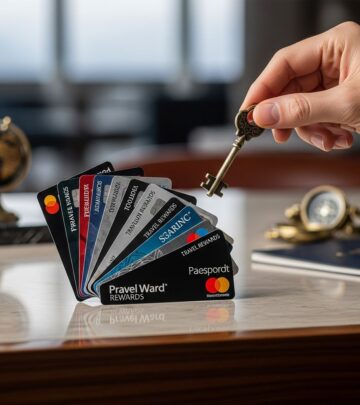
Credit Card Miles: Expert Strategies To Maximize Earnings
Unlock the full potential of travel rewards by mastering strategies to earn more miles from everyday spending and smart card choices.

Credit card miles serve as a versatile rewards currency that travelers accumulate through spending on specialized cards, redeemable primarily for flights, hotels, and other trip expenses. These points differ from traditional airline frequent flyer miles by offering broader flexibility across issuers and partners.
Understanding the Basics of Mile Rewards
Credit card miles represent incentives provided by issuers for card usage, functioning like a currency earned per dollar spent. Unlike airline-specific loyalty points tied to flights, these accrue from routine purchases such as groceries, gas, or online shopping. Typical earning rates start at 1 mile per dollar, with multipliers in targeted categories boosting accumulation.
General travel cards provide miles usable across multiple airlines and hotels, while co-branded options link directly to a single carrier’s program. This distinction affects both earning potential and redemption versatility, allowing users to align cards with their spending habits and travel preferences.
Types of Cards That Generate Miles
Travel rewards cards fall into two primary categories: co-branded and general-purpose options.
- Co-branded cards: Issued in partnership with airlines or hotels, these earn miles transferable to the partner’s loyalty account. Ideal for frequent flyers loyal to one carrier, they often include perks like free checked bags.
- General travel cards: These accumulate flexible miles redeemable through the issuer’s portal or via transfers to various partners, suiting diverse itineraries.
Selecting between them depends on travel frequency and preferred partners. For instance, a card earning 2X miles on all purchases suits broad spenders, while bonus categories on co-branded cards amplify targeted spending.
Core Strategies for Accumulating Miles
Earning miles hinges on consistent, strategic spending. Start with welcome bonuses, which grant substantial miles—often 50,000 to 75,000—after meeting an initial spend threshold within months of account opening.
Daily purchases form the backbone: base rates yield 1-2 miles per dollar universally, but elevated rates apply to dining (3-4X), travel (5X), or groceries. Align cards to maximize these multipliers across monthly expenses.
| Spending Category | Average Mile Rate | Example Benefit |
|---|---|---|
| Everyday Purchases | 1-2X | Base earning on all spends |
| Travel Bookings | 3-5X | Flights/hotels via portal |
| Dining/Entertainment | 3-4X | Restaurants and events |
| Gas/Groceries | 2-3X | Quarterly rotating bonuses |
Bonus categories rotate quarterly on many cards, rewarding adaptation—charge groceries one quarter, gas the next. Everyday spending, even without travel, builds miles steadily.
Leveraging Welcome Offers and Promotions
Issuers frequently launch sign-up bonuses requiring $3,000-$5,000 spent in 3-6 months, equating to 60,000+ miles valued at $600-$1,200 in travel. Limited-time offers add 10,000-20,000 extra miles for targeted actions like adding authorized users.
Track eligibility via issuer sites, ensuring good credit (670+ FICO) qualifies you. Space applications to avoid inquiry impacts on scores.
Optimizing Through Category Bonuses and Portals
Portal bookings amplify earnings: purchasing flights or hotels through an issuer’s travel site often doubles or triples miles. Combine with card multipliers for 5-10X effective rates.
Shopping and dining programs integrate with cards, earning extra miles at partnered retailers or restaurants via linked apps. Enroll once to automate bonuses on qualifying spends.
Transferring Miles for Enhanced Value
Flexible programs allow 1:1 transfers to airline/hotel partners, unlocking premium redemptions like business-class awards at 1.5-2 cents per mile versus 1 cent via portals.
Popular partners include United, Southwest, British Airways, and Hyatt. Monitor transfer ratios and promotions, which occasionally offer 20-30% bonuses, multiplying holdings.
Everyday Habits to Boost Mile Counts
- Pay bills via card where fees are absent, converting fixed costs to miles.
- Use for large purchases like appliances, hitting bonuses quickly.
- Add family as authorized users to pool spending without extra fees on premium cards.
- Avoid carrying balances to prevent interest erasing rewards value.
Annual fees on high-end cards (often $95-$550) justify via credits offsetting costs, like $100 travel reimbursements.
Redemption Options and Maximizing Value
Miles redeem via portals for flights/hotels (1-1.5 cents/mile), transfers (up to 2+ cents), statement credits, cash, or gift cards (0.5-1 cent). Prioritize travel for peak value.
- Portal bookings: Simple, fixed value.
- Transfers: High-value for aspirational trips.
- Cash equivalents: Lower value, emergency use.
Check award charts for sweet spots, like short-haul flights under 10,000 miles.
Common Pitfalls and How to Avoid Them
Blackout dates limit co-branded redemptions; flexible miles circumvent this. Expiration policies vary—many last indefinitely with activity. Track via apps to prevent loss.
Devaluations erode value over time; diversify across programs. Taxes/fees on awards add costs—budget accordingly.
Choosing the Right Card for Your Lifestyle
Assess annual spend by category, travel patterns, and fee tolerance. Frequent domestic flyers favor airline cards; international adventurers prefer transferable points.
Tools like rewards calculators project earnings. Start with no-fee cards, upgrade as spending grows.
Advanced Tactics for Power Users
Manufactured spending—loading prepaid cards—risks shutdowns; stick to organic habits. Pair cards: use one for travel, another for dining.
Status matches from flying transfer to cards, unlocking perks. Annual spend thresholds yield companion tickets or lounge access.
Future Trends in Mile Programs
Dynamic pricing mirrors cash fares, emphasizing early booking. Partnerships expand, enhancing transfer options. Sustainability initiatives may reward eco-friendly choices.
Stay updated via issuer blogs and forums.
Frequently Asked Questions
What is the average value of a credit card mile?
Typically 1-2 cents per mile for travel redemptions, varying by program and use.
Do miles expire?
Many do not with account activity; check terms.
Can I earn miles without traveling?
Yes, through all purchases, bonuses, and partners.
Are premium cards worth the fees?
Often yes, if credits and perks exceed costs.
How do miles differ from points?
Miles tie to travel; points offer broader redemptions, sometimes interchangeable.
References
- How Do Credit Card Miles Work? — Capital One. 2025-10-21. https://www.capitalone.com/learn-grow/money-management/how-credit-card-miles-work/
- Understanding Credit Card Miles: Your Guide to Earning and Redeeming Rewards — Oreate AI. N/A. https://www.oreateai.com/blog/understanding-credit-card-miles-your-guide-to-earning-and-redeeming-rewards/1480c2f8d519c368e53179835c3a1788
- How Do Credit Card Miles Work for Travel Rewards? — Discover. N/A. https://www.discover.com/credit-cards/card-smarts/how-do-credit-card-miles-work-for-travel-rewards/
- How Do Frequent Flyer Miles Work? — American Express. N/A. https://www.americanexpress.com/en-us/credit-cards/credit-intel/how-do-frequent-flyer-miles-work/
- How do credit card airline miles work? — Chase. N/A. https://www.chase.com/personal/credit-cards/education/rewards-benefits/how-do-credit-card-airline-miles-work
Similar Articles








Read full bio of medha deb