Full House? Maximize Your Space With These Tips
Discover practical, budget-friendly ways to transform closets, corners, and unused areas into functional spaces in your home.
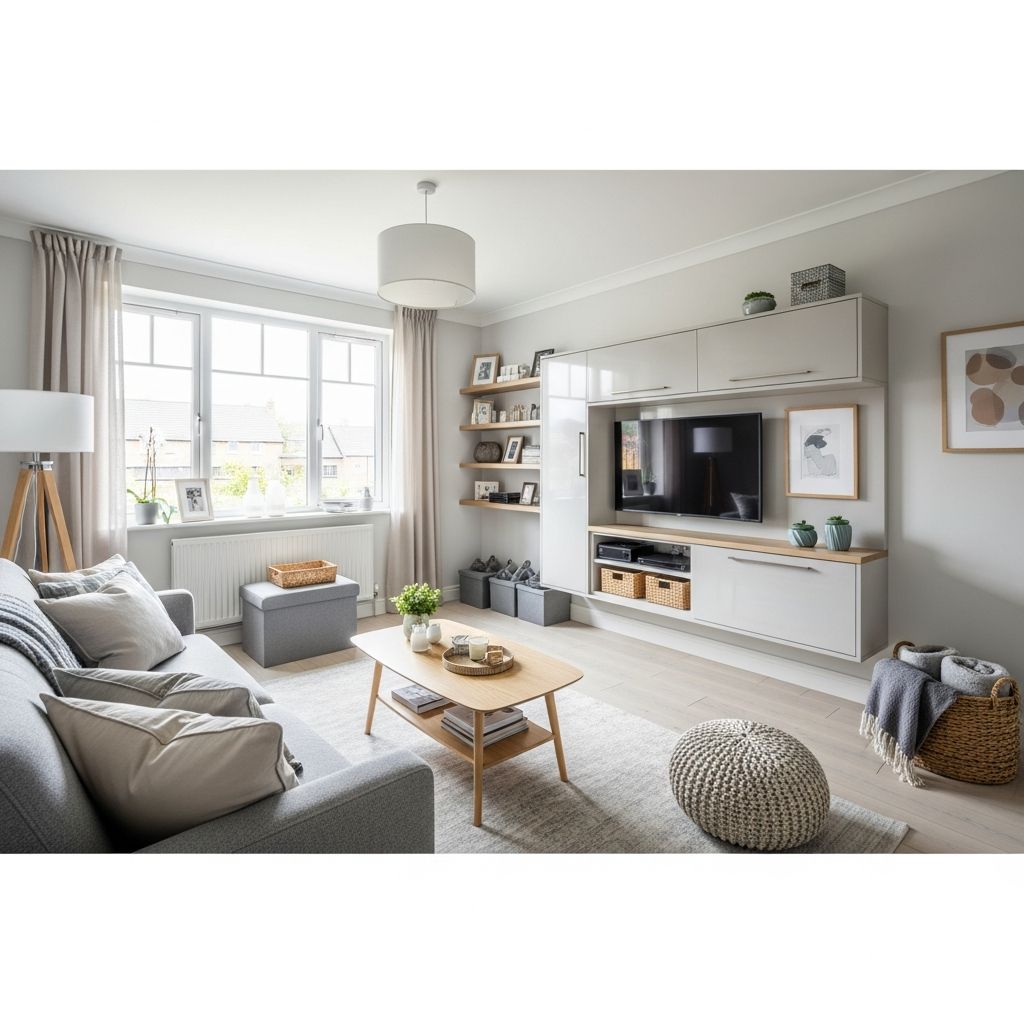
In today’s housing market, many families feel squeezed into smaller homes or apartments as prices soar. But you don’t need to move or renovate expensively to gain more space. Simple, low-cost changes can transform underused areas into functional rooms, offices, or private retreats, helping you save money and enjoy your current home more while waiting for better buying opportunities.
Whether you’re dealing with a crowded condo, a multi-generational household, or just too much stuff, these strategies focus on creativity and decluttering. They require minimal investment—often under $150—and can free up space for work, play, or relaxation. According to the U.S. Census Bureau, average home sizes have stabilized around 2,000 square feet, but with remote work and family time surging post-pandemic, feeling cramped is common.
5 Tips for How to Maximize Your Space
Here are proven, step-by-step ways to carve out new spaces in your existing house or apartment. These ideas draw from real-life examples and affordable products, proving you can rethink your layout without breaking the bank.
1. A cleaned-out closet becomes an office nook
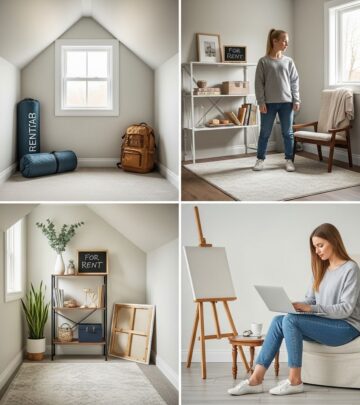
Closets are goldmines for hidden space. Empty one out, and it instantly becomes a dedicated office, study nook, or remote learning station. Everything stays contained, reducing clutter in main living areas.
Step-by-step guide:
- Remove all shelving except the top one for storage.
- Paint the interior with your child’s favorite color for a personal touch—use low-VOC paint for safety.
- Measure the closet’s width and depth. Get plywood or scrap countertop cut to size at Home Depot or Lowe’s (costs $50-$100).
- Install wooden slats or 2x4s around the perimeter, about 30 inches from the floor, as supports.
- Place the desktop on the supports.
- Add organization: bulletin board, plastic file holders, stapler, pencil cup. Decorate with photos or posters.
This setup keeps school supplies hidden and creates a quiet zone. For adults, add a power strip for charging and a small fan for airflow. The result? A private workspace that tucks away when not in use.
2. Got Junk? Then you probably have space.
Cluttered closets, garages, or spare rooms packed with broken vacuums, rusty bikes, or old clothes steal valuable living space. Decluttering instantly reveals room for people, not things.
Options to clear it out:
- Call professionals like 1-800-GOT-JUNK? (starts at $129 for pickup-truck load).
- Hire local junk haulers for competitive rates.
- DIY: Donate usable items to charities like Goodwill or Habitat for Humanity ReStores, recycle metals, and trash the rest.
Pro tip: Sort into keep, donate, sell, trash piles. Apps like Facebook Marketplace can turn junk into cash—$100 from selling an old bike covers other projects. Post-declutter, you’ll gain square footage overnight. The National Association of Productivity & Organizing Professionals notes that Americans discard 80-100 pounds of clothing yearly, much of which lingers in homes.
3. A sheet + screws = a kid’s private room
Need a cheap privacy solution? One creative parent helped her son craft a “triangular room” in their living room using a flat king-size sheet and screws.
How it worked: Drill screws through one corner of the sheet into the wall, creating a draped wall. Existing walls form the other sides, enclosing space for a chair, end table, and fan (to mask noise). He used headphones for Xbox gaming.
Adapt this for:
- Play areas with Lego tables or easels.
- Reading nooks in kitchens or living rooms.
- Teen hangouts, keeping toys and gadgets out of sight.
Cost: Under $20 for a sheet. It’s removable, renter-friendly, and adds instant privacy in open-plan homes.
4. Ikea to the rescue
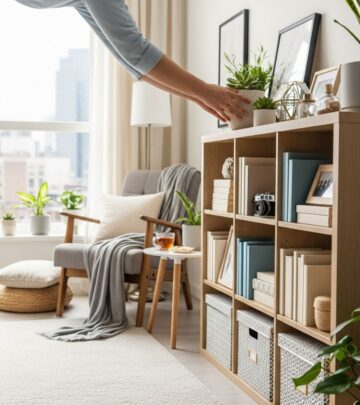
Ikea excels at modular, affordable space dividers. Products from $59-$149 turn corners into offices or bedrooms without permanent changes.
Top picks:
| Product | Price | Dimensions | Use Case |
|---|---|---|---|
| KALLAX Shelving | $70 | 5 ft high x 3 ft wide | Room divider; secure to wall, use two for kids’ bedroom split or living room office. |
| MICKE Corner Workstation | $149 | Compact corner fit | Shelving + magnetic board; creates two-wall enclosure with entry. |
| BEKANT Screen | $119 | 59″ high x 32″ wide | Sound-absorbing privacy panel for open areas. |
These anchor to walls for stability and allow airflow/light. Customize with baskets for storage. Ikea’s designs promote multifunctional spaces, ideal for small homes.
5. Rethink and Reconfigure
Repurpose entire rooms: Turn dining rooms into bedrooms, screened porches into offices, or sunrooms into classrooms. With families home more, flexibility rules.
Real example: After divorce, writer Katherine Snow Smith rented a two-bedroom house. She used the dining room as her bedroom (dresser there, clothes in hall closet), freeing rooms for kids. Summer sleeping: sofa or porch pull-out. The house felt spacious and personalized.
Tips:
- Eat at kitchen tables or coffee tables.
- Add screens/curtains for semi-privacy.
- Use air mattresses or futons for guests.
This mindset shift maximizes every square foot, saving on rent or moves.
Bonus Tips for Long-Term Space Savings
Extend these ideas with habits from financial experts:
- Meal plan: Reduce kitchen clutter; cook at home to save $2,000/year.
- Buy used/repair: Avoid new furniture; sew clothes or fix appliances.
- 30-day rule: Pause impulse buys to prevent clutter buildup.
- No-spend challenges: Focus on essentials, freeing mental space too.
Frequently Asked Questions (FAQs)
Q: How much does a closet office nook cost?
A: $50-$150 for plywood, paint, and organizers—far cheaper than buying furniture.
Q: Are Ikea dividers stable for homes with kids?
A: Yes, when anchored to walls per instructions, preventing tip-overs.
Q: What’s the fastest way to declutter?
A: Junk removal services start at $129; DIY donating saves money.
Q: Can renters use these tips?
A: Absolutely—most are non-permanent like sheets, screens, and freestanding units.
Q: How do I maintain new spaces long-term?
A: Weekly purges and one-in-one-out rules prevent recluttering.
Implementing these tips can save $250+ monthly by avoiding moves or storage fees. Start small—one closet today—and watch your home expand.
References
- Household Space Utilization Statistics — U.S. Census Bureau. 2024-07-01. https://www.census.gov/construction/chars/current.html
- National Association of Productivity & Organizing Professionals (NAPO) Clutter Statistics — NAPO. 2023-05-15. https://www.napo.net/page/clutter_stats
- American Housing Survey — U.S. Department of Housing and Urban Development (HUD). 2025-01-10. https://www.huduser.gov/portal/datasets/ahs.html
- Decluttering and Organizing Guidelines — Federal Trade Commission (FTC) Consumer Advice. 2024-03-20. https://consumer.ftc.gov/articles/decluttering-your-home
- Small Space Living Research — National Institute of Standards and Technology (NIST). 2023-11-12. https://www.nist.gov/topics/residential-buildings
Similar Articles








Read full bio of medha deb