Maximize Year-End Benefits Before They Expire
Discover essential strategies to fully utilize your employer-sponsored benefits, health perks, and financial incentives before the calendar flips and opportunities vanish.

As the year draws to a close, countless individuals overlook valuable opportunities embedded in their benefits packages. Employer-sponsored perks like flexible spending accounts (FSAs), health savings accounts (HSAs), and retirement plans often come with strict timelines. Failing to act can mean forfeiting hundreds or even thousands of dollars in savings and contributions. This guide explores critical actions to take before December 31, providing a roadmap to optimize your financial and health security heading into the new year.
Understanding Use-It-or-Lose-It Rules for Spending Accounts
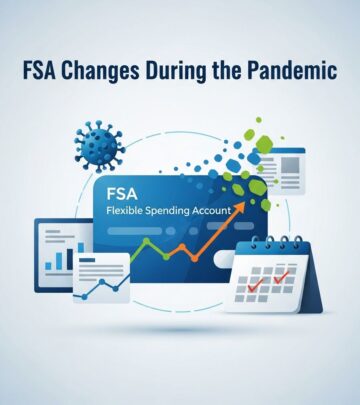
Flexible Spending Accounts (FSAs) and similar arrangements are designed to let you set aside pre-tax dollars for medical expenses, dependent care, and more. However, many operate under a use-it-or-lose-it policy, where unspent funds revert to your employer at year-end. For 2026 plan years, review your balance immediately to identify eligible expenses.
- Submit claims for outstanding medical bills, copays, deductibles, or vision/dental needs before the deadline.
- Purchase over-the-counter medications, sunscreen, or contact lens solution if permitted by your plan.
- Stock up on eligible items like bandages, first-aid supplies, or even certain fitness equipment if tied to medical necessity.
Some plans offer a grace period of up to 2.5 months into the new year or a limited carryover of up to $640. Confirm your plan’s specifics through your HR portal or benefits administrator to avoid surprises.
Leveraging Health Savings Accounts Without Expiration Risks
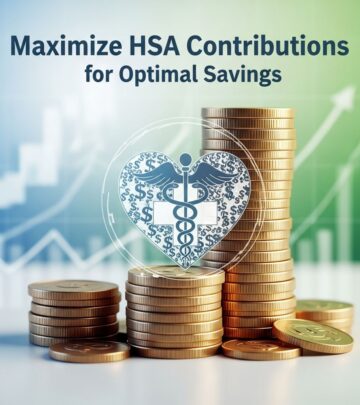
Unlike FSAs, HSAs provide a triple tax advantage—contributions, growth, and withdrawals are tax-free for qualified medical expenses—and funds roll over indefinitely. Maximize 2026 by contributing the annual limit before April 15, 2026, for the prior tax year, but act now on year-end strategies.
| Account Type | 2026 Contribution Limit (Individual) | Family Limit | Key Deadline |
|---|---|---|---|
| HSA | $4,300 | $8,550 | April 15, 2026 |
| Health FSA | $3,300 | N/A | Dec 31 (use funds) |
| Dependent Care FSA | $5,000 | $5,000 | Dec 31 (use funds) |
High-deductible health plans (HDHPs) paired with HSAs lose certain flexibilities on January 1, 2026, such as first-dollar telehealth coverage without impacting HSA eligibility. Plan reimbursements accordingly.
Navigating 2026 Open Enrollment Periods
Open enrollment represents your primary window to adjust health, dental, vision, and life insurance coverage. For marketplace plans, the federal period runs from November 1, 2025, to January 15, 2026, with some states extending deadlines for January 1 coverage up to December 15 or later. Employer-sponsored enrollments typically span 2-4 weeks in October or November, aligning with January 1 effective dates.
- Compare plan options for premiums, networks, and out-of-pocket maximums.
- Enroll in or increase dependent care FSAs for childcare or eldercare costs.
- Opt into optional life insurance or long-term disability if underinsured.
Employers like universities and counties often hold sessions from mid-October to early November, allowing changes effective December 28, 2025, or January 1, 2026. Missed elections may lock you in until the next cycle.
Boosting Retirement Savings with Year-End Contributions
Retirement plans offer catch-up provisions and new rules for 2026. Defined contribution plans like 401(k)s and 403(b)s must now include long-term part-time employees after two years of service, enabling elective deferrals starting January 1, 2026. Individuals aged 60-63 qualify for enhanced catch-up limits.
Allocate forfeitures from 2024 by the end of the 2025 plan year to boost account balances. Max out contributions to reduce taxable income—2026 limits remain favorable for strategic planning.
Key Compliance Deadlines for Employers and Health Plans
Employers face a barrage of 2026 deadlines to maintain compliance. Group health plans must update HIPAA policies by December 23 (prior year reference, ongoing), submit gag clause attestations by December 31, 2026, and handle MHPAEA fiduciary certifications by January 1.
- February 2, 2026: Report health plan costs on Form W-2.
- March 1, 2026: Submit Medicare Part D disclosures.
- March 31, 2026: Electronically file ACA Forms 1094/1095.
- July 31, 2026: Pay PCORI fees and file Form 5500.
These ensure plans avoid penalties while protecting employee privacy, especially around reproductive health care provisions.
Strategies for Dependent Care and Additional Perks
Dependent Care FSAs cap at $5,000 annually but follow use-it-or-lose-it rules. Use funds for summer camps, after-school programs, or nanny services before year-end. Review life event qualifiers like marriage or birth for mid-year changes.
Don’t forget wellness incentives, gym reimbursements, or commuter benefits, which may reset annually. Emerging legislation like the One Big Beautiful Bill Act could expand cafeteria plan flexibilities for 2026.
Frequently Asked Questions (FAQs)
What happens to unused FSA funds on January 1?
Most are forfeited unless your plan has a grace period or carryover. Check your summary plan description.
Can I contribute to my HSA after December 31?
Yes, until the tax filing deadline (April 15, 2026) for the prior year, but verify HDHP status.
When does 2026 open enrollment start for employers?
Varies; often October-November 2025. Marketplace is November 1, 2025-January 15, 2026.
Are there new retirement rules for older workers?
Yes, higher catch-up limits apply for ages 60-63 starting January 1, 2026.
What ACA forms do I need to file in 2026?
Forms 1094/1095 by March 31, plus W-2 reporting by February 2.
Actionable Checklist for Year-End Benefits Optimization
- Log into your benefits portal and review balances for FSAs/HSAs.
- Submit reimbursement claims or make qualifying purchases by December 31.
- Participate in open enrollment to adjust coverage for 2026.
- Maximize 401(k)/403(b) contributions, including catch-ups if eligible.
- Confirm dependent eligibility and update as needed.
- Attend employer webinars or consult HR for personalized advice.
- Plan for post-year-end deadlines like tax filings and attestations.
By prioritizing these steps, you transform potential losses into tangible gains. Year-end is not just a close—it’s your launchpad for a more secure 2026.
References
- Year-End Deadlines and Dates for Employee Benefit Plans — Venable LLP. 2024-12-31. https://www.venable.com/insights/publications/2024/12/year-end-deadlines-and-dates-for-employee-benefit
- 2026 Health Plan Compliance Deadlines — Parrott Benefit Group. Accessed 2026. https://parrottbenefitgroup.com/2026-health-plan-compliance-deadlines/
- State by State 2026 Extended Open Enrollment Dates — Take Command Health. Accessed 2026. https://www.takecommandhealth.com/blog/extended-open-enrollment-period-state
- Improve Your 2026 Open Enrollment Process — Paychex. Accessed 2026. https://www.paychex.com/articles/employee-benefits/making-employee-benefits-open-enrollment-communication-easy
- 2026 Employee Open Enrollment — HC Benefits & Wellness. Accessed 2026. https://benefitsathctx.com/open-enrollment/
Similar Articles








Read full bio of Sneha Tete