Maximize Savings: Top Reward Apps for Smart Shoppers
Discover proven strategies to earn cash back on everyday purchases and build lasting savings habits.
In an increasingly competitive retail environment, consumers have access to numerous applications designed to return a portion of their spending directly to their accounts. These reward platforms have evolved significantly, offering specialized features that cater to different shopping patterns and preferences. Whether you frequently purchase groceries, fill up at gas stations, or shop online, understanding how to effectively use these applications can result in substantial annual savings.
Understanding the Cash Back Application Ecosystem
Cash back applications operate on a straightforward principle: retailers pay these platforms a commission for customer referrals, and the applications share a portion of that revenue with users. This model creates a win-win scenario where merchants gain customers, platforms generate revenue, and consumers receive financial benefits. The amount of cash back varies significantly depending on the retailer, product category, and specific promotional offers available at any given time.
Different applications employ distinct mechanisms to deliver rewards. Some require users to upload receipt photos, others track purchases automatically when linked to payment methods, and certain platforms reward non-purchase activities like store visits or product scans. Understanding these mechanisms helps users select applications that align with their lifestyle and shopping preferences.
Grocery Shopping Rewards: Maximizing Household Spending
Groceries represent one of the largest discretionary expenses for most households, making this category particularly attractive for reward seekers. Specialized applications in this space have developed sophisticated systems to identify eligible products and deliver meaningful returns.
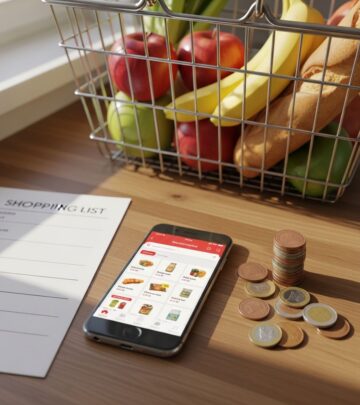
Receipt-based platforms dominate the grocery savings landscape by requiring users to purchase specific items and then submit proof of purchase through photo uploads. This approach allows for precise tracking and verification of eligible transactions. Leading platforms in this category maintain partnerships with major retailers including national chains and regional supermarkets, expanding the accessibility of their services to diverse consumer bases.
The earning potential for grocery shoppers can be substantial. Users who actively engage with available offers often report monthly savings ranging from thirty to eighty dollars, translating to annual figures between three hundred and sixty and nine hundred and sixty dollars. Premium members or highly engaged users sometimes achieve even greater returns through bonus promotions and category-specific multipliers.
Several platforms have distinguished themselves specifically for grocery rewards:
- Applications requiring receipt submission before shopping enable users to identify qualifying products and plan purchases accordingly
- Platforms with extensive retailer networks provide access to offers regardless of preferred shopping locations
- Services offering flexible redemption options (direct deposits, gift cards, third-party transfers) provide convenience and choice
- Apps featuring brand-specific offers allow loyal customers to maximize returns on preferred products
Fuel and Transportation Savings Programs
Fuel expenses constitute a significant ongoing cost for vehicle owners, making specialized gasoline reward applications particularly valuable. These platforms have created direct partnerships with fuel retailers to offer per-gallon discounts or cash back when users fill up at participating stations.
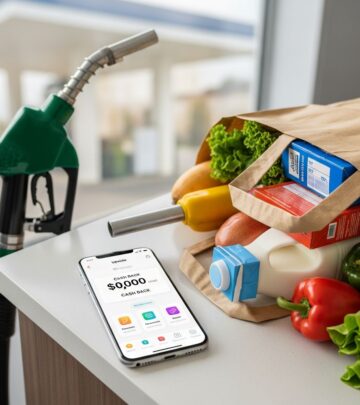
The mechanics differ from grocery-focused applications. Rather than requiring receipt uploads, fuel-specific platforms typically track purchases automatically when users have linked their payment methods. Some applications offer initial promotional bonuses to new members, providing immediate incentives to download and activate accounts.
Integration with popular payment systems allows for seamless transactions. Users simply select a participating fuel station through the application, complete their purchase using a linked card, and receive cash back instantly or within a specified timeframe. The predictability of this category makes it easier for budget-conscious consumers to forecast savings and plan fuel purchases accordingly.
Online Shopping Ecosystems and Retail Partnerships
E-commerce has created significant opportunities for cash back applications. Established platforms have developed partnerships with thousands of online retailers across virtually every product category imaginable. Users typically initiate purchases by navigating to their desired retailer through the application’s interface, ensuring proper tracking and reward attribution.
These platforms provide substantial earning potential for frequent online shoppers. The percentage of cash back varies by retailer but commonly ranges from one to ten percent, with occasional promotional periods offering elevated returns. Additionally, many applications track price changes and notify users of significant drops, adding value beyond simple cash back returns.
Travel represents a particularly lucrative category within online shopping platforms. Bookings for flights, hotels, and car rentals frequently offer elevated cash back percentages compared to general merchandise purchases. Seasonal promotions often coincide with major travel periods, allowing strategic planners to maximize returns on vacation expenses.
Comparative Analysis of Leading Platforms
| Application Focus | Primary Strength | Annual Savings Potential | Redemption Minimum | Payout Options |
|---|---|---|---|---|
| Grocery Rewards | Brand-specific offers and receipt verification | $360 – $960 | $20 | PayPal, Venmo, Gift Cards |
| Receipt Scanning | Effortless passive earning | $120 – $480 | $3 – $20 | Gift Cards, Direct Deposit |
| Online Shopping Portal | Retailer partnerships and travel bookings | $100 – $500 | $5 | PayPal, Check, Direct Deposit |
| Fuel Discounts | Per-gallon savings at network stations | $120 – $400 | Varies | Direct to Account |
| In-Store Activity | Rewards for visits and product engagement | $60 – $240 | $2 – $5 | Gift Cards |
Passive Versus Active Earning Mechanisms
Cash back applications employ two primary engagement models, each with distinct advantages for different consumer types.
Passive earning mechanisms require minimal ongoing effort. Users link their payment methods once and automatically receive cash back when making qualifying purchases at affiliated retailers. This approach suits consumers who prefer convenience and those with unpredictable shopping patterns. However, passive systems often provide lower cash back percentages compared to active alternatives, as the reduced user engagement justifies lower reward rates.
Active earning mechanisms require deliberate user participation but typically offer substantially higher returns. Receipt upload applications require users to photograph and submit transaction documentation. Offer-based platforms require users to review available promotions before shopping and add specific products to their account. Price comparison applications require explicit user action to assess prices across retailers. These active approaches demand additional time investment but often deliver two to three times higher cash back percentages.
Strategic Stacking and Optimization Techniques
Sophisticated reward seekers employ stacking strategies to multiply their returns. This involves combining complementary applications and promotional channels to achieve cumulative savings on single transactions.
Common stacking approaches include:
- Combining receipt-based apps with offer-based apps targeting the same purchase
- Using online shopping portals while applying browser-based coupon tools
- Layering cashback applications with retailer loyalty programs for category-specific multipliers
- Timing purchases around promotional periods when multiple platforms offer elevated percentages
- Using price comparison tools alongside cashback platforms to identify optimal purchasing opportunities
However, stacking requires careful attention to application terms, as some platforms explicitly prohibit combining multiple reward methods on identical transactions. Users should review individual application policies before attempting complex stacking strategies.
Redemption Flexibility and Value Realization
The true value of cash back applications depends significantly on redemption flexibility. Platforms offering multiple redemption pathways provide users with greater control over how they utilize accumulated rewards.
Common redemption options include direct bank transfers to checking or savings accounts, third-party payment platform transfers, gift cards from major retailers, and specialized rewards cards. Each option carries different implications for reward realization.
Direct bank transfers typically provide maximum flexibility and represent true cash value. Gift card redemptions may carry implicit restrictions and should be valued based on actual planned usage. Some applications impose minimum redemption thresholds that prevent users from accessing small accumulated balances. Researching these details before committing to specific platforms ensures optimal reward realization.
Specialized Shopping Categories and Values-Aligned Rewards
Beyond traditional merchant categories, emerging platforms address specific consumer values and shopping interests. Sustainability-focused applications partner with environmentally responsible brands and offer competitive cash back percentages while supporting values-aligned businesses. This category appeals to consumers willing to prioritize environmental and social considerations alongside financial returns.
These specialized platforms typically maintain curated retailer networks focusing on sustainable practices, ethical sourcing, and responsible production methods. While the absolute number of participating retailers may be smaller than mainstream applications, the concentrated focus allows shoppers to support preferred brands while earning meaningful rewards.
Maximizing Returns Through Consistent Engagement
Substantial savings from cash back applications require consistent, deliberate engagement. Users who achieve maximum benefits typically employ systematic approaches:
- Regularly reviewing newly available offers within applications before shopping trips
- Planning purchases around featured promotions and bonus periods
- Maintaining organized records of redemption requirements and deadlines
- Testing multiple applications to identify personal preferences and optimal matches
- Adjusting strategies based on evolving personal shopping patterns and priorities
While these activities require modest time investment, users consistently report that rewards justify the organizational effort. The key is selecting one or two primary applications and a secondary application for category-specific rewards rather than attempting to manage excessive platforms simultaneously.
Evaluating Application Credibility and Reliability
Not all cash back applications maintain equivalent standards for customer service, data security, and timely reward processing. Evaluating credibility involves examining multiple factors including published user ratings, response times for customer support inquiries, history of consistent reward payouts, and third-party security certifications.
Established platforms with years of operational history generally provide greater reliability compared to newly launched services. Checking user reviews across multiple platforms provides balanced perspectives on real-world experiences. Particular attention should focus on reward redemption experiences, as some applications excel in earning mechanics but disappoint during the payout phase.
Common Misconceptions and Realistic Expectations
Prospective users should maintain realistic expectations about cash back application benefits. These services represent genuine opportunities to reduce effective spending but are not wealth-generation mechanisms. Annual savings typically range from several hundred to approximately one thousand dollars for actively engaged users, meaningful but not transformative amounts.
Additionally, applications work optimally when supporting existing spending patterns rather than incentivizing increased consumption. Users who increase purchase volumes to capture rewards may reduce net financial benefits. The goal involves maximizing returns on spending that would occur regardless of reward availability.
Frequently Asked Questions
What is the typical cash back percentage offered by these applications?
Cash back percentages vary significantly based on retailer, product category, and promotional status. Online shopping platforms typically offer between one and ten percent, while grocery-focused applications provide between one and five percent for standard purchases, with promotional items reaching significantly higher percentages.
Are there fees associated with using cash back applications?
Legitimate cash back applications do not charge user fees. Revenue derives entirely from retailer commissions. Any application requesting payment from users should be avoided as potential scams.
How long does it typically take to receive cash back payouts?
Processing times vary by application but typically range from several days to several weeks. Quarterly payout cycles are common, though applications increasingly offer faster redemption options. Users should verify specific timelines within their selected application’s terms.
Can I use multiple cash back applications simultaneously?
Yes, using multiple applications is common practice and can significantly increase total rewards. However, carefully review individual application terms to confirm that stacking is permitted, as some platforms prohibit combining multiple rewards on identical transactions.
What security measures protect my financial information?
Reputable applications employ industry-standard encryption and security protocols. Users should verify that applications maintain appropriate security certifications and avoid granting unnecessary permissions. Linking payment methods directly to applications is generally safe with established platforms.
Conclusion: Building Sustainable Savings Habits
Cash back applications represent practical tools for reducing effective spending across everyday purchases. Rather than representing get-rich schemes, these platforms deliver genuine but modest financial benefits when users employ them strategically and consistently. Success involves selecting applications that align with personal shopping patterns, maintaining engagement with available opportunities, and recognizing rewards as supplements to broader financial discipline rather than primary income sources. For consumers willing to invest modest organizational effort, these applications can contribute meaningfully to long-term financial security and reduced spending burdens.
References
- 6 of the Best Cash-Back Apps — NerdWallet. Accessed 2026. https://www.nerdwallet.com/finance/learn/cash-back-apps
- Best Cash Back Apps and Sites for Everyday Shopping Rewards — The Penny Hoarder. Accessed 2026. https://www.thepennyhoarder.com/make-money/quick-money/cash-back-sites/
- Best Cashback Apps 2026: Save $500+ a Year on Groceries — I Am Beezy. Accessed 2026. https://blog.iambeezy.app/en/best-cashback-apps-usa-2026/
- The 10 Best Cash Back Apps in 2026 (Ranked & Reviewed) — GreenFi. Accessed 2026. https://www.greenfi.com/resources/10-best-cash-back-apps-2026
- 6 Best Cash Back Apps in 2026: Earn Cash on Spending — FinanceBuzz. Accessed 2026. https://financebuzz.com/cash-back-apps
- Best Cash Back Apps for 2026 – The Rideshare Guy — The Rideshare Guy. Accessed 2026. https://therideshareguy.com/best-cash-back-apps/
Similar Articles








Read full bio of Sneha Tete