Maximize Grocery Cash Back Across All Stores
Unlock high rewards on groceries no matter where you shop, from supermarkets to wholesale clubs and supercenters.
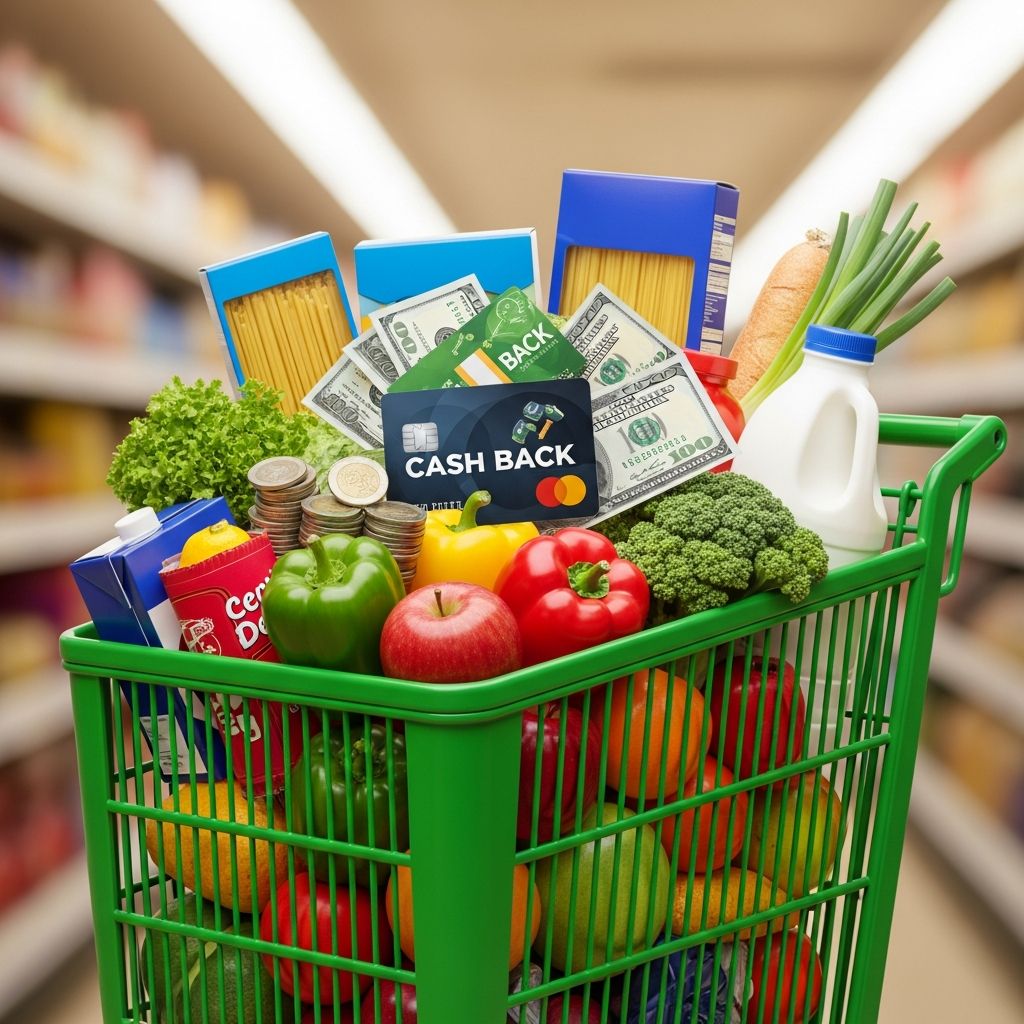
Groceries represent a significant portion of household spending, often exceeding thousands of dollars annually for many families. Smart use of credit cards with tailored rewards can turn these routine purchases into substantial savings through cash back. The key is selecting cards that align with your shopping habits, whether at traditional supermarkets, wholesale clubs, or big-box retailers. This article explores versatile options that provide high rewards across diverse grocery venues, ensuring you earn optimally even when your shopping location changes.
Understanding Grocery Rewards Categories
Credit card issuers define “grocery” purchases through merchant category codes (MCCs), which determine eligibility for bonus rewards. Traditional U.S. supermarkets typically qualify for high cash back rates on cards like the Blue Cash Preferred® Card from American Express, offering 6% on up to $6,000 per year. However, supercenters such as Walmart or Target often fall outside these codes, earning only base rates unless a card specifically includes them.
Wholesale clubs like Costco require store-specific cards for maximum rewards. The Costco Anywhere Visa® by Citi delivers 2% cash back on Costco purchases, but pairs well with others for non-club shopping. Flexible cards, such as the U.S. Bank Shopper Cash Rewards® Visa Signature® Card, let you choose retailers quarterly for 6% back, covering gaps in standard categories.
- Supermarkets (e.g., Kroger, Safeway): Often 3-6% cash back on major cards.
- Wholesale clubs (e.g., Costco, Sam’s Club): 2-5% with co-branded options.
- Supercenters (e.g., Walmart, Target): 1-6% via customizable or everyday rewards.
- Online grocery (e.g., Instacart): Up to 5-6% on select cards.
Top Cards for Traditional Supermarket Shopping
For frequent shoppers at conventional grocery chains, cards with uncapped or high-cap bonuses shine. The Blue Cash Preferred® Card from American Express leads with 6% cash back at U.S. supermarkets on up to $6,000 annually, then 1% thereafter. It also provides 6% on select streaming and 3% on transit.
Another strong contender is the American Express Blue Cash Everyday® Card, offering 3% at U.S. supermarkets without an annual fee, ideal for lighter spenders. The Wells Fargo Active Cash® Card gives 2% on all purchases, providing consistency without category tracking.
| Card Name | Grocery Rate | Annual Cap | Annual Fee |
|---|---|---|---|
| Blue Cash Preferred® from Amex | 6% | $6,000 | $95 |
| Blue Cash Everyday® from Amex | 3% | Uncapped | $0 |
| U.S. Bank Cash+® Visa | 5% | $2,000/quarter | $0 |
Best Options for Wholesale Club Members
Shoppers who buy in bulk at Costco or Sam’s Club benefit from dedicated cards. The Costco Anywhere Visa® Card by Citi earns 5% on gas at Costco (up to $7,000/year combined with EV charging), 4% on other gas/EV, 3% on dining/travel, and 2% at Costco. For Sam’s Club, the Sam’s Club® Mastercard® mirrors similar structure with high gas rewards.
These cards excel inside the warehouse but drop to 1% elsewhere. Pairing with a supermarket-focused card covers all bases. Note exclusions: wholesale clubs rarely qualify for standard “supermarket” bonuses on other cards.
Versatile Cards for Supercenters and Mixed Shopping
Supercenters pose challenges for bonus rewards. The U.S. Bank Shopper Cash Rewards® Visa Signature® Card solves this by allowing 6% at two chosen merchants (e.g., Walmart, Target) per quarter, plus 3% in an everyday category like grocery, and 1.5% elsewhere. This customization makes it perfect for variable habits.
The Capital One SavorOne Cash Rewards Credit Card offers 3% on grocery stores (excluding superstores), dining, entertainment, and streaming, with no annual fee. For Instacart users, the Instacart Mastercard® from Chase provides 5% on Instacart orders up to $6,000/year, 5% on Chase Travel, and 2% at restaurants/gas/streaming.
Strategies to Earn Rewards Everywhere
To maximize across stores:
- Layer Cards: Use a supermarket card like Amex Blue Cash Preferred for chains, U.S. Bank Shopper for Walmart/Target, and Costco Visa for warehouse runs.
- Track Caps: Most bonuses cap at $6,000/year; switch cards after hitting limits.
- Activate Bonuses: Cards like Discover it® Cash Back rotate 5% categories quarterly, often including grocery.
- Consider Fees: Weigh $95 fees against rewards; for $1,000/month spend, Blue Cash Preferred nets ~$300/year after fee.
A sample portfolio: Blue Cash Preferred (supermarkets), Shopper Cash Rewards (supercenters), Costco Anywhere (warehouse). This combo can yield 4-6% average on all grocery spend.
Comparing Rewards Potential
Assume $500 monthly grocery spend ($6,000/year):
| Card | Annual Rewards | Net After Fee |
|---|---|---|
| Blue Cash Preferred (supermarkets) | $360 | $265 |
| U.S. Bank Shopper (Walmart) | $360 | $360 |
| Costco Anywhere (Costco) | $120 | $120 |
| Flat 2% Card | $120 | $120 |
Versatile setups outperform single-card strategies, especially for mixed shopping.
No-Annual-Fee Alternatives
Budget-conscious users prefer $0-fee cards. The Citi Double Cash® Card earns 2% on everything (1% purchase + 1% payment). Wells Fargo Active Cash® matches this at 2% unlimited. For targeted boosts, U.S. Bank Cash+® Visa offers 5% in two chosen categories up to $2,000/quarter.
Sign-Up Bonuses and Perks
Boost initial value with welcome offers. Blue Cash Preferred gives $300 after $3,000 in 6 months. Instacart Mastercard offers strong travel rewards alongside grocery. Perks like 0% intro APR aid balance transfers.
Common Pitfalls to Avoid
- Merchant exclusions: Walmart often codes as “discount store,” not supermarket.
- Over-cap spending: Plan switches to maintain bonuses.
- Foreign transactions: Most grocery cards charge 3% abroad.
- Redemption hurdles: Ensure cash back flexibility (statement credit, checks).
Frequently Asked Questions
What counts as a U.S. supermarket?
Typically chains like Kroger, Publix; excludes Walmart, Target, wholesale clubs.
Can I earn bonus cash back at Costco with any card?
Best with Costco Anywhere Visa at 2%; others give 1%.
Is the Amex Blue Cash Preferred worth the fee?
Yes for $500+/month grocery spend; calculates to positive ROI.
How do I choose merchants on U.S. Bank Shopper?
Select quarterly from 25+ options including Walmart, Target.
Do online grocery orders qualify?
Often yes for supermarkets; Instacart-specific for delivery apps.
Final Thoughts on Building Your Rewards Strategy
Assess your top three stores, match cards accordingly, and review quarterly. Tools like award trackers help monitor caps. With discipline, grocery shopping becomes a profit center, potentially saving hundreds yearly. Always pay balances in full to avoid interest eroding rewards.
References
- 7 Best Credit Cards for Groceries of April 2026 — NerdWallet. 2026-04. https://www.nerdwallet.com/credit-cards/best/groceries
- Best Cash Back Credit Cards for March 2026 — Credit Karma. 2026-03. https://www.creditkarma.com/credit-cards/cash-back-cards
- Best Credit Cards for Groceries of 2026 — Money.com. 2026. https://money.com/best-credit-cards-for-groceries/
- What is the best cash back credit card for groceries? — Clark Howard Community. N/A. https://community.clark.com/t/what-is-the-best-cash-back-credit-card-for-groceries/5842
- How to Choose the Best Credit Card for Groceries — Discover. N/A. https://www.discover.com/credit-cards/card-smarts/best-credit-card-for-groceries/
Similar Articles








Read full bio of Sneha Tete