Maxed Out Cards: Your Recovery Roadmap
Discover proven steps to regain control when your credit cards hit their limits, reduce debt, and rebuild your financial future effectively.
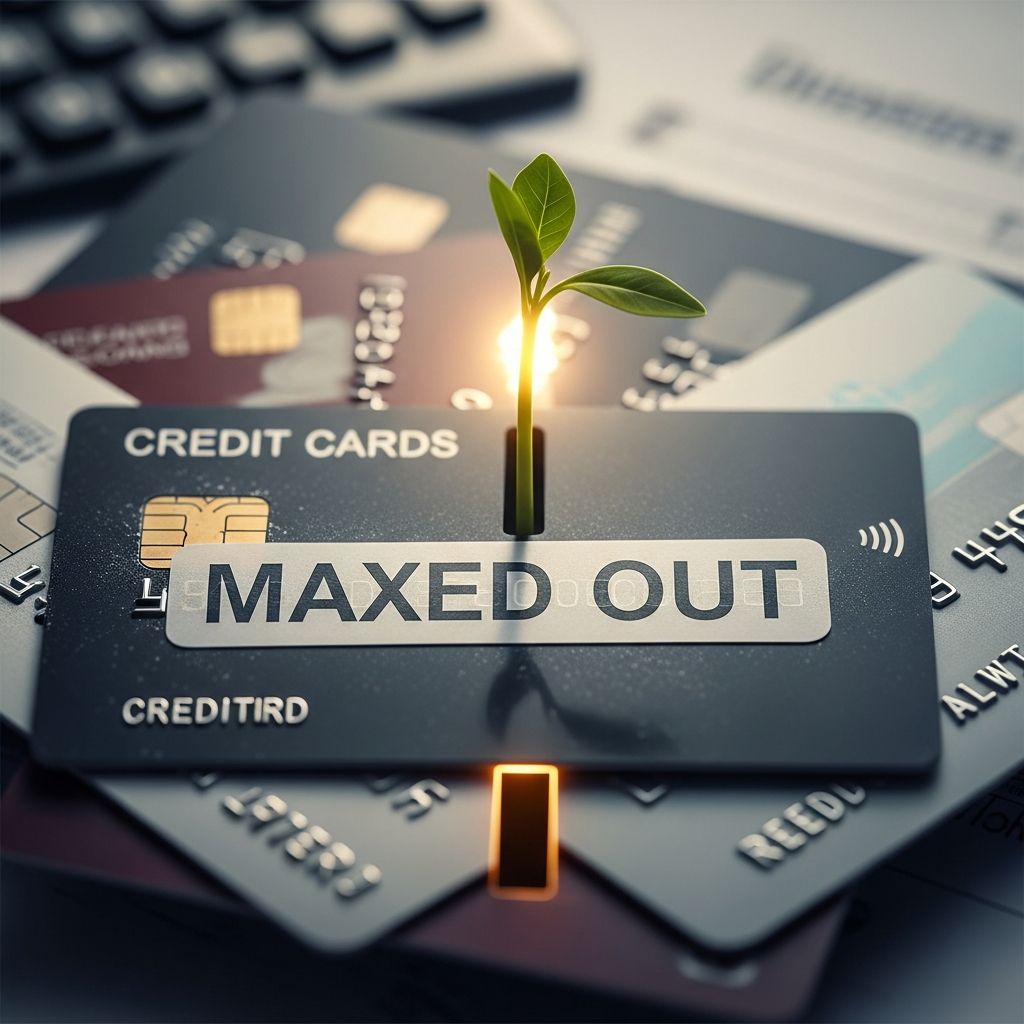
When your credit cards reach their limits, it triggers immediate financial strain and long-term credit challenges. High utilization rates above 30% can drop your credit score significantly, making future borrowing costlier or impossible. This comprehensive guide outlines actionable steps to address the situation, accelerate debt reduction, and establish sustainable money management practices.
Understanding the Immediate Impact of Maxed-Out Credit
Hitting your credit limit isn’t just a spending milestone; it alters your
credit utilization ratio
, a key factor in scoring models. Lenders view high balances relative to limits as risk signals, potentially raising rates on existing accounts or denying new credit. Beyond scores, maxed cards limit emergency access and accrue interest rapidly, compounding the debt.Track all accounts promptly: list balances, limits, APRs, and minimum payments. This inventory reveals total exposure and prioritizes high-interest debts. Tools like free credit monitoring from official bureaus help monitor changes without added cost.
Step 1: Halt the Bleeding – Stop Adding Debt
Prioritize ending new charges to prevent escalation. Switch to cash or debit for daily needs, freezing cards physically if needed. Review statements for recurring subscriptions and cancel non-essentials immediately.
- Deactivate one-click purchases: Online platforms encourage impulse buys; remove saved card info.
- Cut discretionary spending: Pause dining out, streaming add-ons, or gym memberships until balances drop.
- Build a mini-emergency fund: Aim for $500–$1,000 in savings to avoid card reliance for surprises.
These actions create breathing room, directing every dollar toward existing obligations rather than new ones.
Crafting a Bulletproof Budget for Debt Freedom
A structured budget transforms chaos into control. Begin with the
50/30/20 rule
: allocate 50% of net income to essentials (housing, food, transport), 30% to wants, and 20% to savings/debt. Adjust aggressively for debt—shift wants to 20% or less, funneling extras to repayment.Examine income sources and outflows honestly. Apps or spreadsheets categorize spending; identify leaks like daily lattes adding $100 monthly. Redirect savings to debt, automating transfers post-paycheck.
| Budget Category | Percentage | Example ($3,000 Monthly Income) |
|---|---|---|
| Needs | 50% | $1,500 |
| Wants | 20% | $600 |
| Debt/Savings | 30% | $900 |
This table illustrates a debt-focused tweak. Consistency here pays off faster than irregular large payments.
Powerful Repayment Strategies: Snowball vs. Avalanche
Two proven methods dominate debt payoff: snowball and avalanche. Choose based on motivation style.
The Debt Snowball: Momentum Through Quick Wins
List debts smallest to largest balance, ignoring rates temporarily. Pay minimums on all, then attack the tiniest with every extra dollar. Once cleared, roll that payment to the next smallest. Psychological boosts from closures sustain effort, ideal for multiple small balances.
- Builds confidence via rapid progress.
- Effective for motivation-driven individuals.
- Example: $500 card paid in 2 months fuels larger attacks.
The Avalanche: Mathematical Efficiency
Order by highest APR first. Minimums everywhere else, surplus to the priciest. Saves most on interest, suiting analytical minds. Post-payoff, cascade funds downward.
- Minimizes total interest paid.
- Best for high-rate cards (20%+ APR).
- Example: 25% APR $2,000 balance targeted first.
Compare via calculators: snowball for speed feel, avalanche for savings. Both outperform minimums alone.
Leveraging Balance Transfers and Consolidation
Shift debt to lower rates via transfers or loans. Balance transfer cards offer 0% intro APR (12–21 months), but watch 3–5% fees. Ensure payoff before promo ends.
Debt consolidation loans convert revolving debt to fixed installments at 7–15% APRs, simplifying payments and potentially boosting scores via lower utilization. Home equity options suit homeowners but risk assets.
| Method | Pros | Cons | Best For |
|---|---|---|---|
| Balance Transfer | 0% intro rate; quick setup | Fees; time-limited promo | Good credit; short-term payoff |
| Personal Loan | Fixed rate; one payment | Approval needed; origination fees | Multiple high-rate cards |
| Home Equity | Low rates; tax perks | Risks home; closing costs | Equity-rich homeowners |
Pre-qualify without score hits; compare total costs.
Negotiating Better Terms with Issuers
Contact issuers politely: highlight payment history, request rate cuts (2–5% possible for loyal customers). Hardship programs offer temp relief like skipped interest. Document calls; follow up.
Avoid debt settlement firms pushing missed payments—these tank scores and trigger collections.
Rebuilding Credit Amid Repayment
Maxed cards hurt utilization (aim <30%). Pay down strategically; request limit increases post-progress (without new credit). Add secured cards if needed for positive history.
- Automate on-time payments: avoids fees, builds score.
- Monitor free weekly reports from AnnualCreditReport.com.
- Diversify credit mix gradually.
Patience yields: scores recover in months with consistent action.
Long-Term Prevention: Habits for Lifelong Stability
Post-payoff, maintain freedom:
- Pay full balances monthly.
- Track utilization quarterly.
- Build 3–6 months’ expenses in savings.
- Use cards for rewards, not financing.
Review budgets bi-annually; teach family these principles.
Frequently Asked Questions (FAQs)
Does maxing one card affect others?
Yes, via overall utilization across all accounts. Paydown anywhere helps total ratio.
Should I close paid-off cards?
No—keeps limits high, utilization low. But notify issuers if unused long-term.
Can I get new credit while paying debt?
Possible but risky; inquiries ding scores. Focus on current payoff first.
How long to repair credit after maxing out?
3–12 months with steady payments and utilization drops.
Is bankruptcy ever viable?
Last resort; destroys scores 7–10 years. Exhaust other options first.
Final Thoughts on Financial Rebound
Maxed cards signal a pivot point, not defeat. Implement budget, pick a repayment tactic, explore consolidations, and adopt habits for resilience. Track monthly wins; celebrate milestones. Professional counseling via nonprofits like NFCC aids if overwhelmed. Freedom awaits disciplined steps.
References
- How to Pay Off Credit Cards & Get out of Debt Faster — UMCU. 2023. https://www.umcu.org/learn/resources/blogs/how-to-pay-off-credit-card-debt
- 5 Strategies for Paying Off Credit Card Debt — Baird Wealth. 2022-08. https://www.bairdwealth.com/insights/wealth-management-perspectives/2022/08/5-strategies-for-paying-off-credit-card-debt/
- Managing Credit Card Debt & Fostering Good Credit Habits — University of Phoenix. 2024. https://www.phoenix.edu/blog/managing-credit-card-debt-and-fostering-good-credit-habits.html
- Smart Strategies for Effective Debt Management — WVU Extension. 2025-04-01. https://extension.wvu.edu/youth-family/finances/blog/2025/04/01/smart-strategies-for-effective-debt-management
- 5 Debt Repayment Strategies That Could Change Your Life — Navy Federal Credit Union. 2024. https://www.navyfederal.org/makingcents/credit-debt/debt-repayment-strategies.html
- Strategies to Help You Pay Off Debt — Equifax. 2024. https://www.equifax.com/personal/education/debt-management/articles/-/learn/paying-off-debt-strategies/
Similar Articles








Read full bio of medha deb