Materials Sector Investing Guide: 3 Core Subsectors For 2025
Unlock opportunities in the materials sector: from commodity cycles to growth in EVs and AI infrastructure.
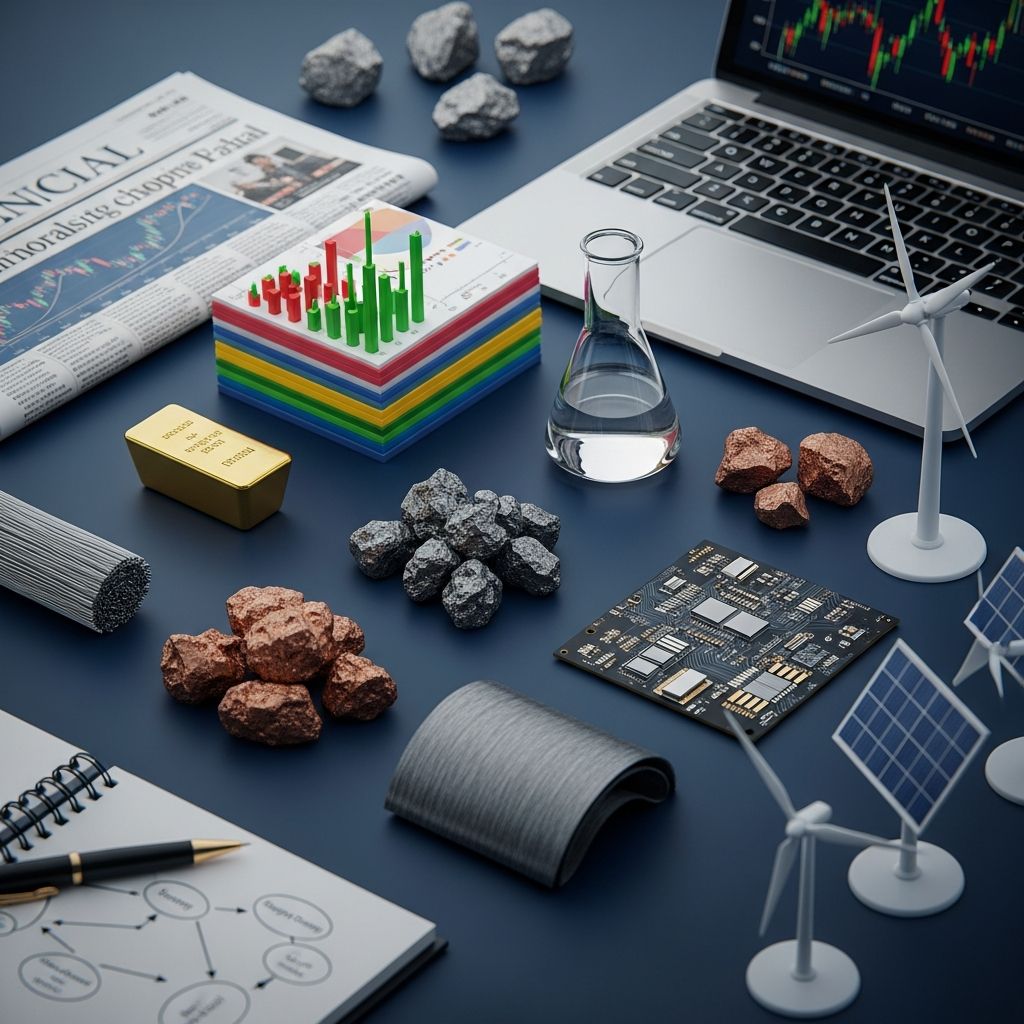
The materials sector forms the backbone of global industry by supplying essential raw inputs like metals, chemicals, and forestry products used in manufacturing everything from consumer goods to infrastructure. Investors drawn to this area seek exposure to commodity price swings, economic expansion, and hedges against rising costs.
Understanding the Materials Sector Landscape
Companies in this sector engage in discovering, extracting, processing, and distributing raw materials critical for downstream industries. This includes mining operations for metals and minerals, chemical manufacturing for fertilizers and industrial compounds, and forestry for lumber and paper products. The sector’s performance ties closely to global demand cycles, making it sensitive to economic health worldwide.
Unlike technology or consumer sectors, materials firms deal with tangible assets whose values fluctuate with supply constraints, geopolitical events, and technological shifts. For instance, finite resources like lithium and copper face growing pressures from electrification and digital infrastructure builds.
Core Subsectors and Their Dynamics
The materials sector breaks into distinct subsectors, each with unique drivers and vulnerabilities.
- Mining and Metals: Encompasses extraction of gold, copper, aluminum, steel, and rare earths. Demand surges with construction booms, renewable energy projects, and electronics manufacturing.
- Chemicals: Produces fertilizers, industrial gases, specialty compounds for paints, glues, and pharmaceuticals. Benefits from agricultural needs and low-cost feedstocks like U.S. natural gas.
- Forestry Products: Harvests trees for lumber, paper, and cardboard. Influenced by housing markets, packaging trends, and sustainable sourcing regulations.
These subsectors interconnect; for example, metals feed into chemical processes, while forestry supports construction alongside steel.
Why Invest in Materials? Key Advantages
Materials offer several compelling reasons for portfolio inclusion.
- Cyclical Upside: Thrives during economic recoveries when industrial activity ramps up, driving commodity prices higher.
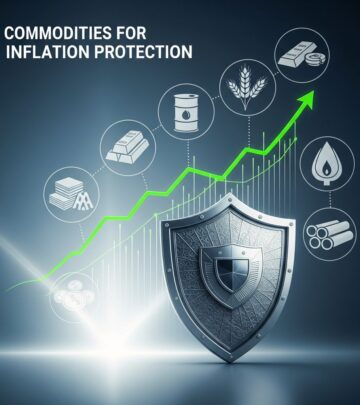
- Inflation Protection: Raw material values often rise with inflation, preserving purchasing power unlike fixed-income assets.
- Diversification: Low correlation with tech-heavy indices provides balance during market rotations.
- Global Demand Growth: Urbanization in emerging markets and green transitions boost long-term needs for copper, lithium, and specialty chemicals.
Active traders exploit short-term volatility, while long-term holders bet on structural trends like AI data centers requiring massive power grids and cabling.
Prominent Players and Competitive Edges
Leading firms distinguish themselves through cost advantages, resource quality, and expansion strategies. Here’s a snapshot:
| Company | Focus | Key Strength |
|---|---|---|
| Albemarle | Lithium production | Low-cost spodumene assets like Talison; positioned for EV demand growth. |
| Sociedad Química y Minera (SQM) | Lithium, iodine, nitrates | Highest-concentration lithium in Salar de Atacama; leader in specialty fertilizers. |
| Dow | Chemicals | North American natural gas advantage for commodity chemicals. |
| LyondellBasell | Chemicals, PO/TBA | Flexible feedstocks and new low-cost PO/TBA facility ramping in 2025. |
| Celanese | Acetic acid, chemicals | Clear Lake plant leverages cheap U.S. natural gas. |
These companies exemplify how geographic edges, like U.S. energy costs, create moats against higher-cost rivals reliant on oil-based inputs.
Risks and Challenges in Materials Investing
Despite attractions, the sector carries notable pitfalls.
- Volatility: Commodity prices swing wildly with supply gluts or demand dips, as seen in recent lithium oversupply.
- Regulatory Pressures: Governments tax extractions to curb resource depletion and enforce environmental standards.
- Geopolitical Tensions: Trade wars or conflicts disrupt supply chains for metals like copper.
- Overcapacity: Chemicals faced stagnant demand and excess supply in 2025, dragging performance.
Investors must monitor supply-demand balances; for copper, constrained supplies amid EV and AI growth signal upside, but execution risks persist.
Investment Vehicles for Exposure
Access the sector via multiple channels tailored to risk tolerance.
- Individual Stocks: Target leaders like those in the table for potential alpha, but requires deep research on balance sheets and commodity outlooks.
- ETFs and Mutual Funds: Broad exposure via funds tracking materials indices reduces single-stock risk.
- Commodity Futures: Direct bets on prices, suited for sophisticated traders.
Guggenheim’s Basic Materials Fund, for example, targets appreciation through diversified holdings in mining and manufacturing.
Navigating Commodity Cycles
Materials investments shine by timing economic phases. In expansions, demand for construction materials and chemicals accelerates. Contractions prompt caution, as seen in 2025 underperformance versus broader markets.
Focus on fundamentals: select firms with strong balance sheets, low political risk, and advantaged costs. Copper equities, for instance, benefit from supply shortages against rising needs from renewables and data centers.
Emerging Trends Shaping the Future
Looking to 2026 and beyond, transformative forces redefine the sector.
- Electrification Boom: Double-digit lithium demand growth from EVs, despite supply ramps.
- AI Infrastructure: Chemicals for data center builds and copper for power grids.
- Sustainability Push: Circular economy and recycling reduce virgin material needs but spur innovation in specialty products.
- Precious Metals Rally: Gold and silver as safe havens amid uncertainty.
Emerging markets’ infrastructure needs and dietary shifts toward high-value crops boost fertilizers like SQM’s potassium nitrate.
Strategies for Success
To thrive:
- Track macroeconomic indicators like GDP growth, PMI data, and inflation metrics.
- Diversify across subsectors to mitigate commodity-specific risks.
- Prefer firms with scalable expansions, like brownfield projects at existing low-cost sites.
- Rebalance during cycles: overweight in recoveries, underweight in downturns.
Passive investors favor ETFs for steady exposure; actives pick winners based on supply constraints.
Frequently Asked Questions (FAQs)
What makes materials a good inflation hedge?
Raw materials’ prices typically rise with inflation, protecting investor returns as natural resource values increase.
Is the materials sector cyclical?
Yes, it performs strongly in economic booms due to heightened industrial demand but weakens in recessions.
Which commodities have strong outlooks for 2026?
Copper and lithium stand out, driven by EVs, renewables, and AI power needs.
How do U.S. chemical firms gain edges?
Access to cheap natural gas feedstocks versus global oil-based rivals boosts margins.
Should beginners invest in individual materials stocks?
ETFs offer safer entry; stocks suit those researching specific company advantages.
Conclusion
The materials sector rewards patient investors attuned to global trends and cycles. By focusing on high-quality producers amid EV, AI, and infrastructure tailwinds, portfolios can capture substantial value while hedging broader risks.
References
- The Best Basic Materials Stocks to Buy — Morningstar. 2023. https://www.morningstar.com/stocks/best-basic-materials-stocks-buy
- Basic Materials Sector – Definition, Examples, Subsectors — Corporate Finance Institute. 2023. https://corporatefinanceinstitute.com/resources/valuation/basic-materials-sector/
- Materials Sector | Trading Lesson — Interactive Brokers. 2023. https://www.interactivebrokers.com/campus/trading-lessons/materials-sector/
- Materials sector — Fidelity Institutional. 2025-12-31. https://institutional.fidelity.com/advisors/insights/spotlights/equity-sector-performance-outlook/materials-sector
- Basic Materials – A Class – Overview — Guggenheim Investments. 2023. https://www.guggenheiminvestments.com/mutual-funds/fund/rybmx-basic-materials
Similar Articles








Read full bio of medha deb