Travel Expense Reports: Complete Guide With Templates
Unlock the secrets to efficient travel expense reporting for seamless reimbursements and policy compliance in business travel.
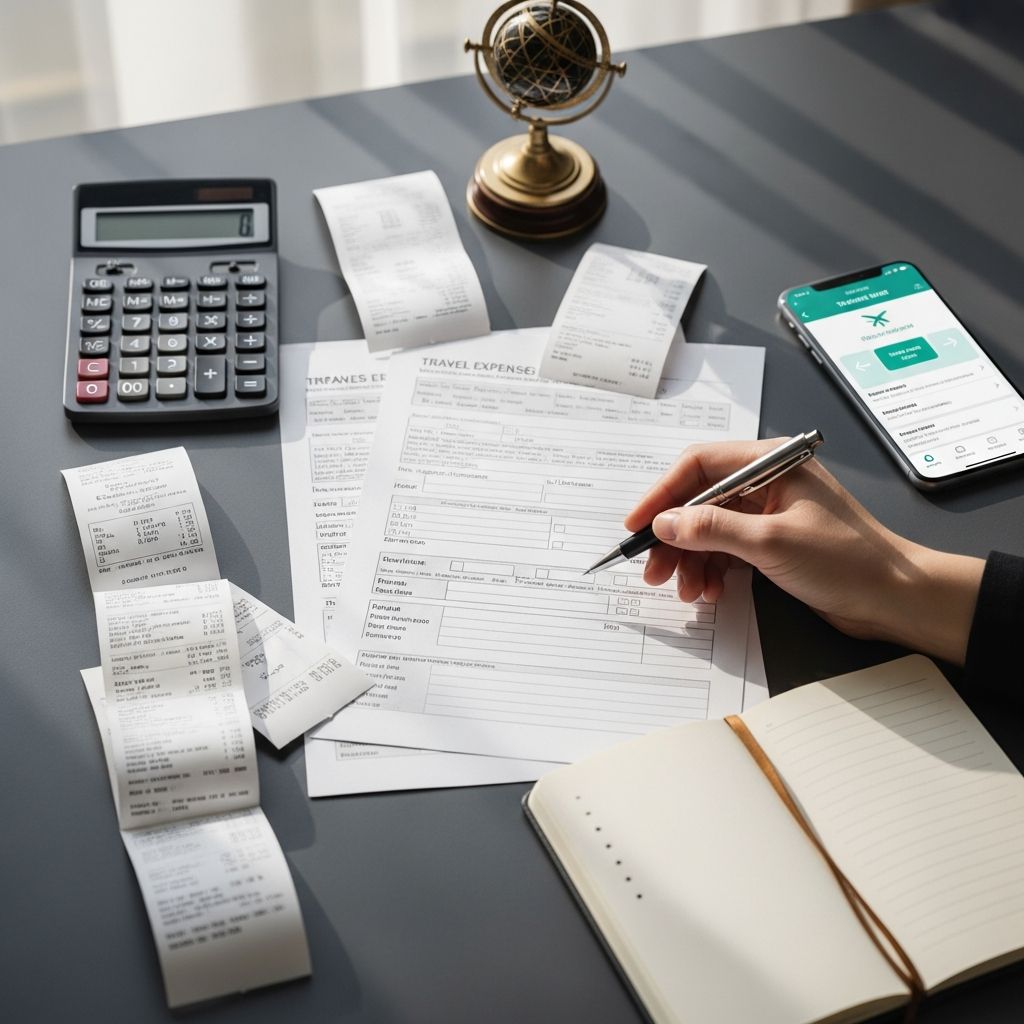
Travel expense reports are vital documents that detail all costs from business trips, enabling reimbursements, tax compliance, and financial oversight. These reports ensure companies track spending accurately while employees recover out-of-pocket expenses efficiently.
Understanding the Purpose of Travel Expense Documentation
At its core, a travel expense report serves multiple functions in organizational finance. It provides an itemized breakdown of expenditures like flights, hotels, and meals, complete with receipts and justifications. This documentation supports reimbursement claims, audits, and adherence to internal policies and IRS regulations for deductible business expenses.
Organizations rely on these reports to maintain budget control and prevent fraud. Employees submit them post-trip, typically within 30-45 days, to capture details only the traveler can provide, such as specific locations visited and meals consumed.
Key Components Every Report Must Include
A robust travel expense report contains standardized elements to streamline approval and processing. Essential sections include:
- Traveler Details: Full name, employee ID, department, and contact info for easy identification.
- Trip Overview: Dates, destinations, purpose (e.g., client meeting, conference), and any associated project codes.
- Expense Breakdown: Categorized line items with date, vendor, amount, payment method, and business purpose.
- Supporting Proof: Scanned receipts or invoices for all items exceeding policy thresholds, often $25-$75.
- Totals and Approvals: Subtotals by category, grand total, reimbursement amount, and manager sign-off.
These components ensure transparency and facilitate quick reviews by finance teams.
Common Categories of Reimbursable Travel Costs
Business travel incurs diverse expenses, each requiring proper categorization for accurate reporting. Here’s a breakdown:
| Category | Examples | Reimbursement Notes |
|---|---|---|
| Transportation | Flights, trains, rental cars, taxis, mileage | Economy class preferred; pre-approval for upgrades. IRS mileage rate applies for personal vehicles. |
| Lodging | Hotels, Airbnbs, nightly rates | Standard rates per destination; incidentals like Wi-Fi often covered. |
| Meals | Breakfast, lunch, dinner; per diems | 50% deductible limit per IRS; alcohol often excluded or capped. |
| Incidentals | Parking, tolls, tips, baggage fees | Receipts required over $25; business purpose must be clear. |
| Entertainment/Conferences | Event fees, client dinners | Pre-approval mandatory; detailed guest lists needed. |
Non-reimbursable items include personal sightseeing, luxury upgrades without approval, or family travel add-ons.
Pre-Trip Preparation for Smooth Reporting
Success starts before departure. Develop a clear travel policy outlining reimbursable items, spending caps, and pre-approval processes for high-cost bookings. Provide employees with corporate cards, expense apps, and policy summaries to enable real-time tracking.
Encourage booking through preferred vendors for negotiated rates and automatic receipt integration. Share itineraries and budgets upfront to align expectations and minimize post-trip disputes.
Real-Time Tracking During Your Journey
Organization on the road prevents forgotten receipts and lost details. Snap photos of receipts immediately using mobile apps that extract data via OCR technology. Log expenses daily, noting currency conversions for international trips per company guidelines.
For multi-day trips, categorize on-the-go: tag meals separately from transport. This habit reduces errors in foreign transactions and ensures compliance with per diem rules where applicable.
Post-Trip Submission Best Practices
Upon return, compile your report promptly—aim for within two weeks to avoid memory lapses. Organize by category, attach all proofs, and write concise business justifications (e.g., “Lunch with client XYZ to discuss Q1 contract”).
Calculate totals accurately, accounting for taxes, tips, and advances. Submit via your company’s portal for tracking status. Address common pitfalls like duplicates or miscategorizations by double-checking against your policy.
Leveraging Templates for Manual Reporting
For small teams, free templates in Excel or Google Sheets standardize formats. Include dropdowns for categories, auto-sum formulas, and spaces for receipt uploads. PDFs suit formal submissions but lack editability.
Customize with your policy specifics, such as per diem rates or project codes, to guide users effectively.
Automation Tools Revolutionizing Expense Management
Modern software like Expensify, Concur, or Ramp automates the process. Features include receipt scanning, AI categorization, policy enforcement, and integration with accounting systems like QuickBooks.
Corporate cards link directly, flagging violations in real-time. Analytics dashboards reveal spending trends, aiding future policy tweaks. ROI comes from time savings—reports process 70% faster with automation.
Navigating Policies and Compliance Challenges
A strong policy is foundational: define limits (e.g., $150/night lodging), approval workflows, and submission deadlines. IRS rules mandate receipts for deductions and accountable plans for tax-free reimbursements.
Handle exceptions like out-of-policy spends with justifications. Train staff annually to foster compliance culture.
Advanced Strategies for Cost Control
Beyond basics, implement per diems to simplify meals (e.g., GSA rates by city). Negotiate vendor contracts for volume discounts. Use virtual cards for one-off payments with built-in limits.
Post-trip audits spot patterns, like frequent overages, prompting targeted training.
Frequently Asked Questions
What if I lose a receipt?
Provide a detailed explanation, credit card statement, and any photos. Some policies accept this for small amounts under $75.
How soon must I submit after returning?
Typically 30-45 days; check your policy to avoid forfeiture.
Are per diems taxable?
No, if under an accountable plan with substantiation.
Can I expense family travel?
Only the business portion; personal costs are non-reimbursable.
What software is best for teams?
Options like Ramp or Navan integrate seamlessly with ERP systems.
Future Trends in Travel Expense Handling
AI-driven predictions forecast spending, while blockchain ensures receipt authenticity. Sustainability tracking for carbon offsets is rising. Mobile-first apps will dominate, with voice logging and VR audit trails on the horizon.
Embracing these keeps businesses agile amid hybrid work and global travel resurgence.
References
- Travel Expense Reports: How They Work & What To Include — Ramp. 2023. https://ramp.com/blog/travel-expense-report
- Travel Expense Reporting — UC Berkeley Law. 2024-02-06. https://www.law.berkeley.edu/business-services/purchasing-and-reimbursement/getting-reimbursed/travel-expense-reporting/
- A Comprehensive Guide to Travel and Expense Management Process — Alaan. 2023. https://www.alaan.com/blog/travel-expense-management-guide
- The Ultimate Guide to Business Travel Expense Reports — Navan. 2024. https://navan.com/blog/travel-expense-reporting-ultimate-guide
- The Guide to Travel Expense Reimbursement For Businesses — Brex. 2024. https://www.brex.com/spend-trends/corporate-travel-management/travel-expense-reimbursement-for-businesses
- Travel Expense Report Guide for 2025 — Engine. 2025. https://engine.com/business-travel-guide/travel-expense-reports
- Travel expense management: The complete guide — Spendesk. 2024. https://www.spendesk.com/blog/travel-and-expense-management/
Similar Articles








Read full bio of medha deb