Transmission Fluid Checks: 5-Step Guide To Accurate Levels
Essential guide to checking, maintaining, and understanding transmission fluid for optimal vehicle performance and longevity.
Transmission fluid serves as the vital lifeline for your vehicle’s transmission system, providing lubrication, cooling, and hydraulic pressure for seamless gear shifts. Regularly inspecting this fluid can avert major mechanical failures, save substantial repair costs, and prolong drivetrain health. This guide delivers practical instructions, maintenance timelines, and troubleshooting advice drawn from established automotive practices.
Why Transmission Fluid Matters for Vehicle Reliability
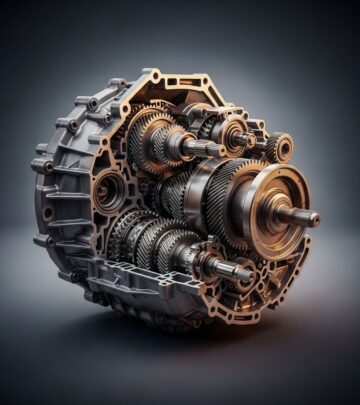
The transmission manages power delivery from the engine to the wheels, relying on fluid to reduce friction, dissipate heat, and enable smooth operation. Without proper fluid maintenance, components wear prematurely, leading to slipping gears, overheating, or total failure. Dirty or low fluid fails to lubricate effectively, accelerating degradation.
Fluid degrades over time due to heat exposure, contamination from metal particles, and oxidative breakdown. Proactive checks reveal issues like leaks or contamination before they escalate. Manufacturers design systems assuming periodic verification, even if some label fluids as ‘lifetime,’ which experts interpret as up to 100,000 miles maximum under ideal conditions.
Understanding Transmission Types and Their Fluid Needs
Different transmissions demand specific care. Automatic units use fluid for hydraulic control and torque conversion. Manuals rely on it primarily for lubrication and cooling. Continuously Variable Transmissions (CVTs) and heavy-duty setups have unique sensitivities.
| Transmission Type | Typical Change Interval | Key Signs of Issues |
|---|---|---|
| Automatic | 60,000-100,000 miles | Delayed shifts, burning odor |
| Manual | 30,000-60,000 miles | Grinding noises |
| CVT | 30,000-50,000 miles | Shuddering acceleration |
| Heavy-Duty/Towing | Every 30,000 miles | Overheating, slipping |
Consult your owner’s manual for exact specifications, as vehicles like Honda models require proprietary fluids such as ATF-Z1 or DW-1 to avoid slippage. Toyota systems often need WS or T-IV types, with changes every 60,000 miles despite extended claims.
Optimal Schedule for Fluid Inspections
Frequency depends on usage. For standard driving, inspect every 3,000-5,000 miles alongside oil changes. High-mileage vehicles over 100,000 miles warrant monthly reviews. Always check before long trips, towing, or if dashboard warnings appear.
- Normal passenger cars: Every 30,000-60,000 miles for changes.
- SUVs/light trucks: 50,000 miles, or 30,000 for towing.
- Stop-and-go traffic or short trips: Accelerate to severe service intervals.
Neglecting checks risks rapid damage; even one quart low can cause irreversible harm within miles.
Step-by-Step Guide to Checking Fluid Levels
Accurate assessment requires preparation. Park on flat ground to ensure reliable readings—slight inclines skew results.
- Warm the system: Drive 10-15 minutes to reach operating temperature, then park with engine idling in Park or Neutral. Engage parking brake.
- Locate the dipstick: Often yellow, red, or pink-handled, near the engine’s rear. Note: Some modern vehicles lack dipsticks; seek professional service.
- Cycle gears: With brake applied, shift through all positions for 3 seconds each to circulate fluid, then return to Park/Neutral.
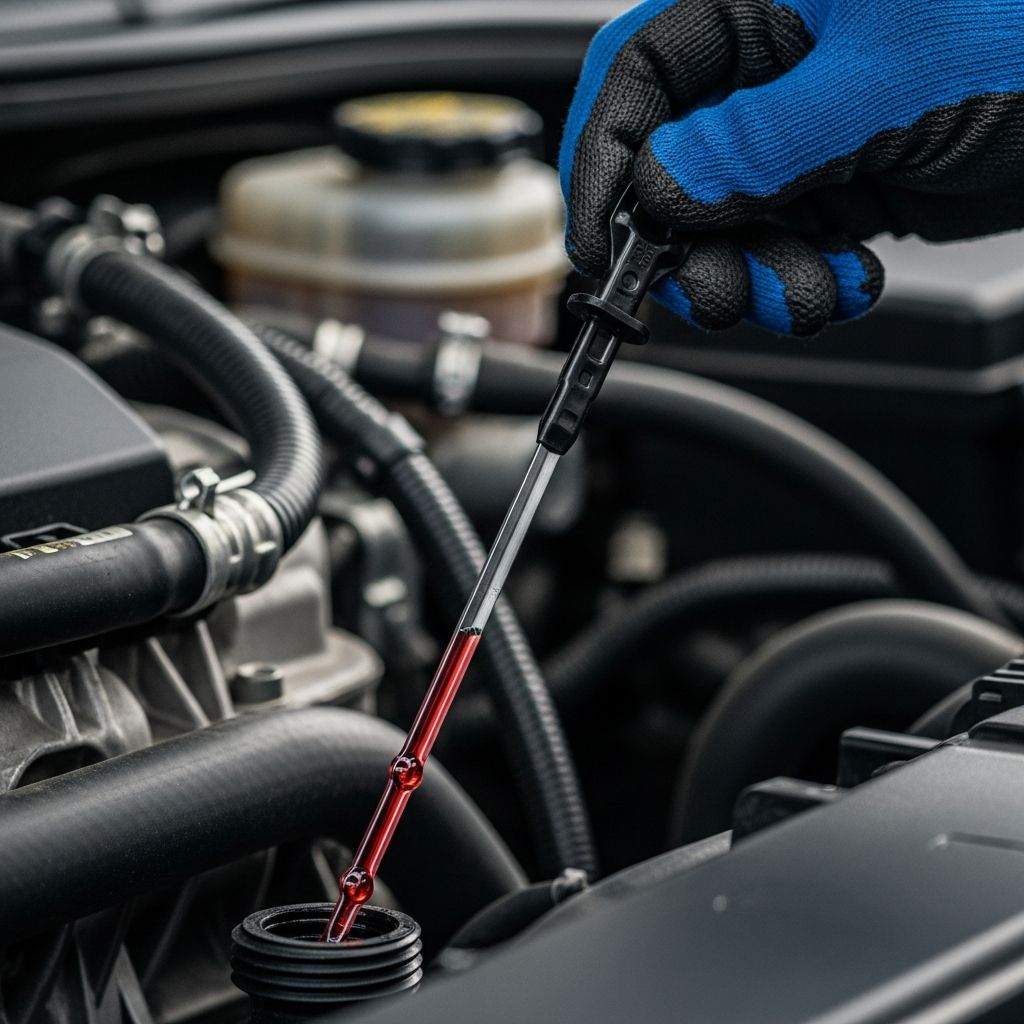
- Read the level: Withdraw dipstick, wipe with lint-free cloth, reinsert fully, withdraw again. Fluid should hit ‘Full’ or between Min/Max marks.
- Evaluate condition: Fresh fluid appears red/pink and translucent. Dark brown, burnt-smelling, or gritty indicates replacement time.
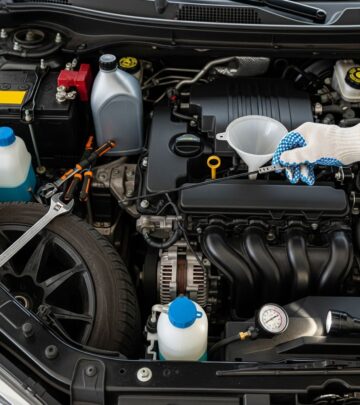
Add fluid via the dipstick tube using a funnel if low, matching the exact type. Overfilling causes foaming and erratic shifts.
Decoding Fluid Color and Condition
Visual cues signal health:
- Bright red/pink: Healthy, recent service.
- Dark red/brown: Aging; change soon.
- Black/burnt: Overdue; risk of damage imminent.
- Metallic flecks: Internal wear; professional inspection needed.
A chart aids quick reference:
| Color | Condition | Action |
|---|---|---|
| Clear Red | Excellent | Monitor |
| Dark Red | Fair | Schedule change |
| Brown/Black | Poor | Immediate service |
| Cloudy/Grimy | Contaminated | Inspect transmission |
Smell test: Sweet for new; acrid for degraded.
Common Pitfalls and Pro Tips
Avoid errors like checking cold fluid or uneven surfaces, which mislead readings. Never mix fluid types—CVTs like Nissan NS-3 demand specifics to prevent shuddering. For sealed units, use scan tools or service bays for level checks.
DIY changes suit drain-and-fills: Drain via pan bolt, replace filter if accessible, refill per manual specs, then recheck hot. Flushes suit dirty fluid but risk dislodging debris in high-mileage units.
Symptoms Demanding Immediate Attention
- Slipping or harsh shifts.
- Unusual noises like whining.
- Dashboard lights or delayed engagement.
- Leaking puddles under vehicle.
Address promptly; additives may help minor slips but aren’t cures.
DIY vs. Professional Service
Home mechanics handle basic checks and drain-fills with proper tools. Complex flushes or diagnostics require shops with flush machines and fluid analyzers. Costs remain affordable versus rebuilds exceeding thousands.
Frequently Asked Questions
Can I drive with low transmission fluid?
No—low levels cause overheating and failure quickly. Top up immediately and inspect for leaks.
What’s the difference between drain-fill and flush?
Drain-fill replaces partial volume; flushes exchange nearly all but suit clean systems only.
Do all cars have dipsticks?
No, many post-2010 models don’t; professionals use specialized methods.
How do I know the right fluid type?
Owner’s manual or door jamb sticker specifies; mismatches void warranties and cause damage.
Is transmission fluid the same as engine oil?
No—distinct formulations; never interchange.
Long-Term Strategies for Transmission Health
Beyond checks, adopt habits like gentle acceleration, avoiding overloads, and using synthetics for severe duty. Track service history to predict needs. Pair with cooling upgrades for towing. These extend life beyond 200,000 miles in reliable models like certain Toyotas.
Integrate fluid care into routines: Monthly visual inspections take minutes yet prevent downtime. Early detection via color, level, and symptoms empowers drivers to act proactively.
References
- How to Change Transmission Fluid Yourself — Castrol USA. 2023. https://www.castrol.com/en_us/united-states/home/learn/car-maintenance/10-steps-to-change-transmission-fluid.html
- Transmission Maintenance Schedule: A Comprehensive Guide — AutoDRX. 2024. https://www.autodrx.com/transmission-maintenance-schedule-a-comprehensive-guide
- The Complete Guide to Transmission Fluid — Rohnert Park Transmission. 2024. https://www.rohnertparktransmission.com/blog/complete-guide-transmission-fluid
- When Do I Need to Change My Transmission Fluid? — Kelley Blue Book. 2023-10-15. https://www.kbb.com/car-advice/when-do-i-need-to-change-my-transmission-fluid/
- The Ultimate Guide to Transmission Maintenance — GTA Auto Service. 2024. https://www.gtaautoservice.com/the-ultimate-guide-to-transmission-maintenance-keep-your-vehicle-running-smoothly
- Ultimate Guide to Transmission Maintenance — Meineke Car Care. 2023. https://www.meineke.com/blog/ultimate-guide-to-transmission-maintenance/
- Transmission Fluid Color Guide (with Chart) — Universal Technical Institute. 2024. https://www.uti.edu/blog/automotive/transmission-fluid-color-guide-(with-chart)
Similar Articles








Read full bio of Sneha Tete