Tire Care Essentials: Complete Guide To Tire Maintenance
Unlock the secrets to tire longevity, safety, and peak performance with proven maintenance strategies for every driver.
Tires form the critical connection between your vehicle and the road, influencing safety, handling, and efficiency. Proper care extends their usability, reduces replacement costs, and prevents accidents. This guide explores key practices drawn from industry standards to help drivers maintain optimal tire condition.
Understanding Tire Fundamentals
Tires endure constant stress from weight, friction, and environmental factors. They feature specialized rubber compounds and tread patterns designed for traction in various conditions. Regular upkeep ensures they perform as intended, with built-in indicators signaling when replacement is due.
Key components include the tread, sidewalls, and valve stems. Tread provides grip, sidewalls offer structural support, and valves maintain inflation. Neglecting any area can lead to uneven wear, blowouts, or reduced control.
Maintaining Optimal Tire Pressure
Correct inflation is foundational to tire health. Underinflated tires increase rolling resistance, causing faster wear and poorer fuel economy, while overinflation leads to center tread degradation and harsh rides.
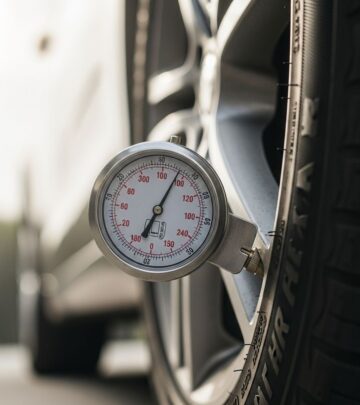
Check pressure monthly or before long drives, always when tires are cold—after sitting for at least three hours. Locate recommended PSI on the driver’s door jamb sticker or owner’s manual. Use a reliable gauge for accuracy.
- Remove valve cap and press gauge firmly onto stem.
- Note reading and compare to specs.
- Add air if low; release if high, rechecking frequently.
- Replace cap securely to seal against debris.
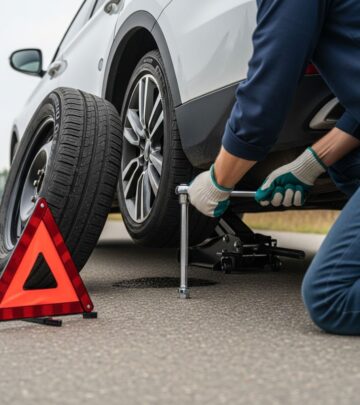
Carry a portable compressor and gauge for roadside adjustments. The U.S. Department of Transportation emphasizes monthly checks to mitigate risks from improper inflation.
Assessing Tread Depth and Wear
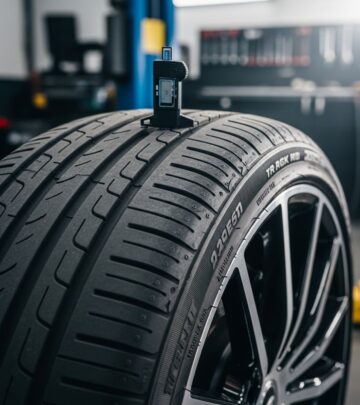
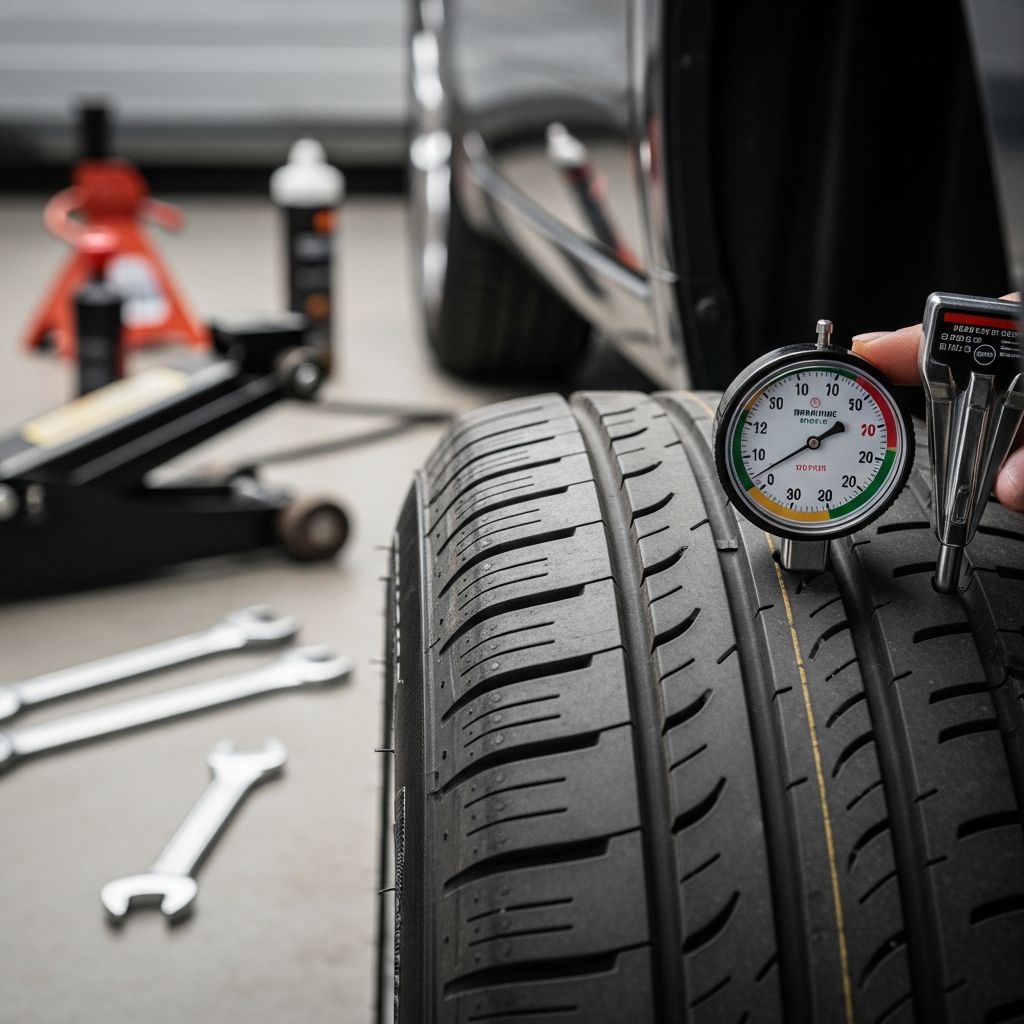
Tread depth determines grip, especially in rain or snow. Legal minimums vary, but experts recommend replacement at 2/32 inch. Use simple tests for quick evaluation.
| Test Method | How to Perform | Replacement Indicator |
|---|---|---|
| Penny Test | Insert penny into groove, Lincoln’s head down. | Top of head visible. |
| Treadwear Bars | Observe raised bars between grooves. | Bars level with tread surface. |
| Gauge Measurement | Insert depth gauge into main grooves. | Below 2/32 inch. |
Inspect monthly, focusing on outer edges and center. Irregular patterns signal alignment or rotation needs. The National Highway Traffic Safety Administration (NHTSA) highlights tread checks as vital for preventing hydroplaning.
Implementing Regular Tire Rotation
Front tires bear more weight and turning forces, wearing faster than rears. Rotation redistributes positions for uniform wear, potentially doubling lifespan.
Follow patterns based on drive type:
- Front-wheel drive: Rearward cross for fronts, self for rears.
- Rear-wheel drive: Forward cross for rears, self for fronts.
- All-wheel drive: Specific manufacturer patterns to maintain balance.
Schedule every 5,000-8,000 miles or per manual. Early rotation at irregular wear signs preserves performance. The U.S. Tire Manufacturers Association (USTMA) endorses this interval for even degradation.
Wheel Alignment and Balancing
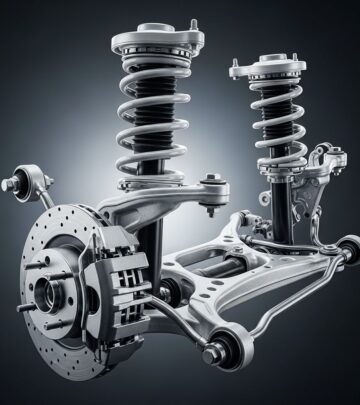
Alignment adjusts suspension angles for straight tracking and even contact. Misalignment causes pulling, uneven wear, and accelerated tread loss.
Signs include steering wheel off-center or vibration at speed. Check annually or after hitting potholes. Balancing equalizes wheel weights, eliminating shakes.
Professionals use laser tools for precision. Cooper Tire advises combining with rotations for comprehensive care. BFGoodrich notes proper alignment enhances safety.
Daily Habits for Tire Longevity
Beyond basics, adopt routines like:
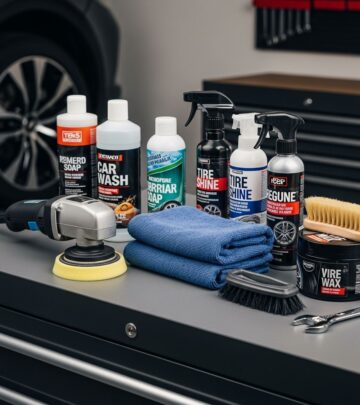
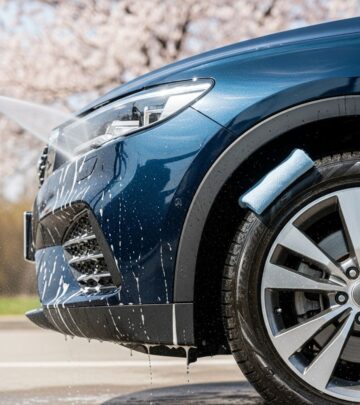
- Cleaning monthly with pH-neutral cleaners to remove corrosive buildup.
- Inspecting sidewalls for cuts, bulges, or cracks weekly.
- Securing valve caps to block moisture and dirt.
- Verifying spare tire pressure quarterly.
Avoid overloading, sharp turns, and road hazards. Michelin recommends monthly wear inspections alongside rotations every 6,000-8,000 miles.
Recognizing Damage and Repair Limits
Examine for punctures, sidewall cracks, or bulges indicating internal failure. Small tread punctures may be patchable once; sidewalls and multiple repairs demand replacement.
Virginia Tire & Auto specifies repairs only between shoulders, never sidewalls. AAA stresses professional evaluation for safety.
Seasonal and Weather Considerations
Adjust for temperature drops, which reduce pressure by 1 PSI per 10°F. Switch to winter tires below 45°F for better cold traction. RNR Tires urges consistent cleaning to prevent salt damage.
Cost Savings from Proactive Care
Well-maintained tires last 50,000+ miles, versus 30,000 neglected. Rotations and alignments cost far less than premature sets. Fuel savings from proper pressure average 0.2-0.4% MPG improvement.
FAQs
How often should I rotate tires?
Every 5,000-8,000 miles or as per manual.
What’s the best way to check tire pressure?
Use a gauge on cold tires monthly, matching door sticker specs.
When do I need new tires?
At 2/32 inch tread or visible wear bars/penny test failure[10].
Can I repair a sidewall puncture?
No; replace the tire immediately.
How does alignment affect tires?
Prevents uneven wear and improves handling.
Advanced Tips for Enthusiasts
For performance driving, monitor torque specs during rotations and use TPMS resets post-inflation. Track wear via mileage logs for predictive maintenance.
References
- Tire Maintenance 101: Taking Care of Your Tires — Virginia Tire & Auto. 2023. https://vatire.com/car-maintenance-tips/taking-care-of-your-tires/
- A Quick Tire Maintenance Guide for Beginners — RNR Tires. 2024. https://rnrtires.com/tips-guides/a-quick-tire-maintenance-guide-for-beginners/
- The Ultimate Guide to Tire Maintenance — Huntington Beach Ford. 2023. https://www.huntingtonbeachford.com/blogs/2919/the-ultimate-guide-to-tire-maintenance-keeping-your-wheels-rolling-smoothly/
- Maintenance Checklist — Cooper Tires. 2024. https://www.coopertire.com/en_US/tire-education/learn-tire-maintenance/maintenance-checklist.html
- Tire Care Essentials — USTMA. 2025. https://www.ustires.org/tire-care-essentials
- Tire Safety Ratings and Awareness | TireWise — NHTSA. 2025-10-01. https://www.nhtsa.gov/vehicle-safety/tires
Similar Articles








Read full bio of Sneha Tete