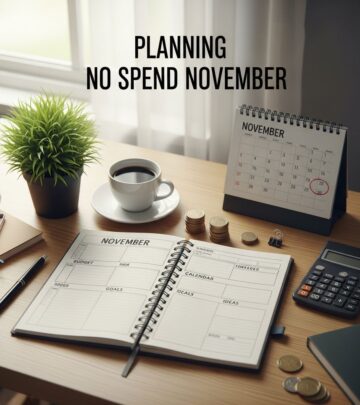
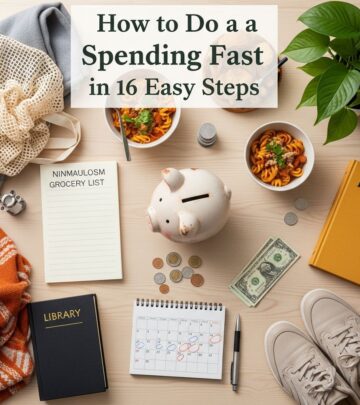
No-Spend Challenge: Step-By-Step Guide To Save Money
Unlock financial freedom by curbing impulse buys and building lasting savings habits through a structured no-spend approach.

Embarking on a no-spend challenge offers a powerful way to regain control over your finances by temporarily halting nonessential purchases. This practice encourages mindful consumption, helping individuals distinguish between needs and wants while fostering habits that lead to substantial savings.
Understanding the Core Concept
A no-spend challenge involves committing to purchase only absolute necessities for a defined period, such as a week or month. Essentials typically include rent or mortgage payments, basic groceries, utility bills, transportation costs, and healthcare needs. Nonessentials, like dining out, entertainment subscriptions, or spontaneous retail therapy, are off-limits during this time.
The objective extends beyond mere frugality; it cultivates awareness of daily spending patterns. Participants often discover overlooked expenses, such as recurring app fees or habitual coffee runs, that erode budgets silently. By relying on existing resources—like wardrobe staples or pantry staples—individuals learn resourcefulness and contentment with what they already own.
Essential Preparation Steps
Success begins with thorough preparation. Start by reviewing recent bank statements and credit card activity to categorize expenditures. Create two lists: one for must-haves and another for discretionary items.
- Essentials: Housing, food staples, hygiene products, minimum debt payments, fuel for commuting.
- Nonessentials: Restaurant meals, new gadgets, clothing beyond repairs, paid streaming services.
Next, select a realistic timeframe. Beginners might opt for a weekend trial, while committed participants aim for 30 days. Shorter durations build confidence without overwhelming lifestyle changes.
Finally, set a tangible goal, such as diverting saved funds to an emergency account or debt reduction. Quantify it—for instance, targeting $300 in savings—to make progress measurable and motivating.
Establishing Clear Boundaries
Rules provide structure. The primary directive: adhere strictly to essentials. Pre-plan exceptions for unavoidable events, like vehicle repairs or family obligations, to avoid derailment.
| Category | Allowed | Not Allowed |
|---|---|---|
| Groceries | Basic pantry items, produce | Specialty snacks, gourmet ingredients |
| Entertainment | Free library books, parks | Movies, concerts, subscriptions |
| Clothing | Repairs to current items | New outfits, accessories |
| Transportation | Gas for work commute | Rideshares, unplanned trips |
For group challenges, introduce accountability measures, such as daily check-ins or penalties like extending the challenge duration for infractions.
Practical Strategies for Daily Success
Navigate temptations with proactive tactics. Meal prep using available ingredients eliminates takeout urges. Explore free alternatives: public parks for exercise, community events for socializing, or household workouts instead of gym classes.
Track progress daily via a simple app or journal. Note avoided purchases and accumulating savings to reinforce commitment. When cravings arise, pause and question necessity—does this align with long-term goals?
Declutter possessions during the challenge. Selling unused items generates extra income and reinforces appreciation for current assets, turning the experience into a dual savings opportunity.
Psychological and Long-Term Gains
Beyond immediate savings, the challenge rewires mindset. Participants report heightened creativity in problem-solving, such as repurposing outfits or inventing recipes. Discipline strengthens, spilling over into other life areas like fitness or productivity.
Financially, it illuminates true living costs, enabling precise budgeting post-challenge. Many redirect savings to high-impact areas: bolstering retirement accounts, clearing high-interest debt, or funding vacations.
- Savings Boost: Redirect nonessential funds to goals.
- Awareness Surge: Spot and eliminate leaks.
- Habit Formation: Embed frugality permanently.
- Stress Reduction: Simplify decisions, lower financial anxiety.
Overcoming Common Hurdles
Social pressures challenge adherence. Politely decline outings by suggesting low-cost alternatives, like home-cooked potlucks. Combat boredom-fueled spending by scheduling free activities: reading unread books, hiking trails, or skill-building via online tutorials.
Slip-ups happen; treat them as learning moments rather than failures. Analyze triggers and adjust rules accordingly. Momentum from early wins sustains motivation through tougher days.
Transitioning to Sustainable Practices
Upon completion, reflect comprehensively. Calculate total savings and review insights gained. Integrate key lessons into a permanent budget: cap discretionary spending at 10-20% of income, automate savings transfers.
Extend benefits by repeating quarterly or adopting a “low-spend” variant, allowing minimal treats. This evolution ensures lasting transformation without burnout.
Real-World Applications and Variations
Adapt for life stages. Families might focus on kid essentials while crowdsourcing free activities. Young professionals target subscription purges amid urban temptations. Retirees emphasize healthcare boundaries.
Advanced versions include themed months: no-clothes-spend or no-dining-out. Pair with apps for gamification, turning frugality into an engaging pursuit.
Frequently Asked Questions
What counts as an essential expense?
Essentials sustain health, shelter, and mobility: groceries, bills, medicine. Tailor to personal circumstances, like gym fees for medical needs.
How long should my first challenge last?
Start with 7 days to test feasibility, scaling to 30 for deeper impact. Choose based on schedule and confidence.
What if I fail midway?
Restart immediately. Each attempt builds resilience; focus on patterns, not perfection.
Can I involve family?
Yes—joint goals enhance accountability. Customize rules for all members.
Does it affect credit score?
No direct impact, as it reduces spending, not borrowing. Consistent payments maintain scores.
Final Thoughts on Financial Empowerment
The no-spend challenge demystifies money management, proving small shifts yield big results. By prioritizing intention over impulse, anyone can forge a path to security and abundance.
References
- No-Spend Challenge: From a Financial Advisor — Olde Raleigh Financial. 2023. https://www.olderaleighfinancial.com/orfg-resources/no-spend-challenge-from-a-financial-advisor
- No spend challenge: How to do a no-spend month — Fidelity. 2024-01-15. https://www.fidelity.com/learning-center/personal-finance/no-spend-challenge
- The No Spend Challenge: Simple Rules for Big Savings — Edelman Financial Engines. 2023-05-10. https://www.edelmanfinancialengines.com/education/financial-planning/no-spend-challenge/
- The No-Spend Month Challenge: The Ultimate Reset for Your Finances — Johnson Financial Group. 2024. https://www.johnsonfinancialgroup.com/resources/blogs/your-financial-life/the-no-spend-month-challenge-the-ultimate-reset-for-your-finances/
- Could you do a no spend year? Creating mindful spending habits — UMB Bank Blog. 2023-11-20. https://blog.umb.com/personal-banking-no-spend-year-creating-mindful-spending-habits/
Similar Articles








Read full bio of Sneha Tete