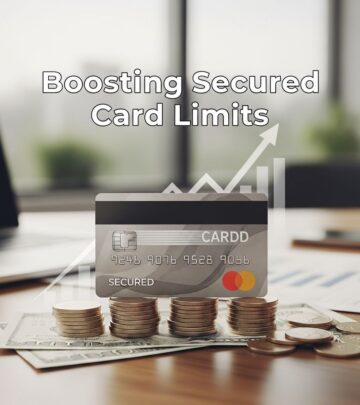
Mastering Your Starter Credit Card Limit
Unlock smart strategies to handle low credit limits, build habits, and grow your financial freedom responsibly.

Your first credit card often comes with a modest credit limit, typically ranging from $300 to $1,000, designed to minimize risk for issuers while helping newcomers establish credit history. This setup requires careful handling to prevent financial missteps and pave the way for future expansions. By focusing on disciplined usage, timely payments, and strategic growth, you can transform this limitation into a foundation for robust credit health.
Grasping the Fundamentals of Low Starting Limits
Credit limits represent the maximum amount you can borrow on a card at any time. For beginners, issuers set conservative figures based on factors like income, employment status, and credit history—or lack thereof. A low limit encourages responsible behavior but demands vigilance to maintain a healthy
credit utilization ratio
, ideally under 30% of the limit. For instance, on a $500 limit, keep balances below $150 to signal reliability to lenders.Understanding billing cycles is crucial: these 28-31 day periods determine when charges accrue and statements generate. Grace periods, usually 21-25 days post-statement, allow interest-free payments if settled in full. Missing this window triggers high APRs, often 20-30%, compounding debts rapidly. New users must internalize these mechanics to sidestep traps.
Building a Bulletproof Budget Around Your Card
A solid budget is your first defense against overspending. Calculate monthly income minus essentials like rent, utilities, and groceries, allocating a fixed portion—say 10-20%—for discretionary card use. Tools like spreadsheets or apps simplify this: list categories, set caps, and track real-time adherence.
- Income Assessment: Tally all earnings, including side gigs.
- Fixed Expenses: Prioritize non-negotiables first.
- Card Allocation: Cap at what you can repay fully monthly.
- Buffer Zone: Reserve 10% for surprises.
Review statements monthly to spot trends, such as rising dining costs, and adjust accordingly. This habit not only curbs impulse buys but also fosters long-term fiscal discipline.
Payment Strategies That Maximize Credit Growth
Timeliness trumps all: payments 30+ days late slash scores by 100+ points. Automate full-balance payments to bypass interest entirely. If funds are tight, exceed minimums—which cover mostly interest—to erode principal faster.
| Payment Type | Pros | Cons | Best For |
|---|---|---|---|
| Full Balance | No interest; boosts score | Requires discipline | Ideal users |
| Above Minimum | Reduces debt faster | Some interest accrues | Moderate budgets |
| Minimum Only | Meets requirement | Prolongs debt, hurts score | Emergency only |
Set app alerts for due dates and balances. Combining auto-pay with calendar reminders ensures consistency, vital for score-building.
Optimizing Usage to Stay Under the Radar
Treat your card like cash: spend only repayable amounts. Aim for under 30% utilization; on $800 limits, hover below $240. Small, regular charges—like gas or subscriptions—keep accounts active without risk, signaling stability to bureaus.
Avoid cash advances: they accrue immediate interest sans grace periods, often at 25%+ APRs. Decline balance transfers initially; focus on organic growth. Monitor via issuer apps for real-time insights, enabling proactive cuts if nearing limits.
Pathways to Requesting Higher Limits
After 6-12 months of flawless use—on-time payments, low utilization—petition for increases. Many issuers auto-review; others require calls or apps. Provide updated income proof to justify hikes, potentially doubling limits and halving utilization ratios.
- Check eligibility via account dashboard.
- Gather docs: pay stubs, tax returns.
- Request modestly: 20-50% bumps.
- Avoid hard inquiries if possible—opt for soft checks.
Rejections? Continue habits; retry quarterly. Successes compound scores, unlocking better cards.
Leveraging Tools and Tech for Seamless Tracking
Modern cards integrate apps for balances, payments, and alerts. Spreadsheets offer customization: columns for limits, dues, APRs. Link to bank for auto-payments, eliminating forgetfulness.
- Apps: Custom notifications for 80% utilization.
- Spreadsheets: Formulas auto-calculate ratios.
- Calendars: Recurring bill reminders.
Combine for hybrid systems, ensuring comprehensive oversight without daily hassle.
Common Landmines and How to Evade Them
Newbies falter on overspending, ignoring fees (late: $30-40; over-limit: $35), or maxing limits, tanking scores 50-100 points. Co-signing amplifies risks; stick solo.
Foreign transactions? 3% fees add up—use debit abroad. Annual fees? Rare on starters, but scrutinize. Regular credit report checks (free weekly at AnnualCreditReport.com) catch errors early.
Long-Term Rewards and Credit Elevation
Beyond basics, mine rewards: cashback on groceries suits everyday use. Low limits amplify value—redeem wisely. As scores rise (FICO 670+), graduate to premium cards with perks like travel insurance.
Timeline: 6 months pristine use yields 50-100 point gains; year-long nets limit doublings. Patience yields exponential benefits: lower loans, rentals, jobs.
Frequently Asked Questions
What if I hit my low limit quickly?
Pause spending; pay down immediately. This preserves utilization and avoids fees. Apps flag approaches early.
Does a low limit doom my score?
No—manage utilization below 30%, pay timely. It rebounds fast with habits.
When to apply for increases?
Post-6 months responsible use, with income proof. Multiple requests risk flags.
Secured cards for starters?
Yes—deposit matches limit, builds history sans risk. Graduates to unsecured.
Impact of minimum payments?
Prolongs debt via interest; aim higher always.
Crafting Habits for Lifelong Financial Wins
Consistent execution turns low-limit hurdles into launchpads. Monthly reviews refine strategies; annual reports validate progress. This discipline not only elevates limits but equips for mortgages, autos—life’s big leaps.
Expand knowledge via official sites; simulate budgets. Your starter card is a proving ground—ace it for enduring prosperity.
References
- 10 Tips for Effective Credit Card Management — Chase Bank. 2025. https://www.chase.com/personal/credit-cards/education/basics/how-to-manage-credit-cards
- A Beginner’s Guide To Managing Credit Cards Like The Pros — Arro Finance. 2025. https://www.arrofinance.com/blog/a-beginner-s-guide-to-managing-credit-cards-like-the-pros
- Beginner’s Guide to Credit Cards — Climb Credit Union. 2025-07-24. https://www.climbcu.org/explore/learn/empowered-living-blog/empowered-living-blog/2025/07/24/beginners-guide-to-credit-cards
- Credit Card Basics: A Beginner’s Guide — Edvisors. 2025. https://www.edvisors.com/credit-cards/credit-card-faqs/credit-card-basics/
- A beginner’s guide to credit cards — Commerce Bank. 2025. https://www.commercebank.com/personal/ideas-and-tips/2025/a-beginners-guide-to-credit-cards
- Understanding Credit Cards — Yale University Financial Literacy. 2025. https://finlit.yale.edu/planning/understanding-credit-cards
Similar Articles








Read full bio of medha deb