Undefined Guide To Smart Spending And Borrowing: 50/30/20
Build lasting financial discipline with proven strategies for responsible credit use, budgeting, and debt avoidance to secure your future.

Developing effective spending and borrowing habits is foundational to financial success. These practices help individuals avoid debt traps, build strong credit profiles, and maximize everyday financial tools like credit cards. By focusing on discipline, awareness, and strategic planning, anyone can transform their relationship with money.
Understanding the Foundations of Financial Discipline
Financial discipline starts with recognizing how daily choices impact long-term wealth. Poor habits, such as impulsive buying or minimum payments, lead to accumulating interest that erodes savings. Conversely, intentional actions like full balance payments preserve capital and enhance creditworthiness.
Key to this is distinguishing needs from wants. Essential expenses cover necessities like housing and food, while discretionary spending fuels lifestyle choices. Balancing both requires a clear budget that aligns income with outflows.
- Assess monthly income sources to establish a realistic baseline.
- Categorize expenses into fixed (rent, utilities) and variable (dining, entertainment).
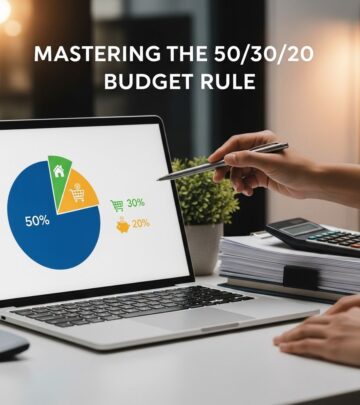
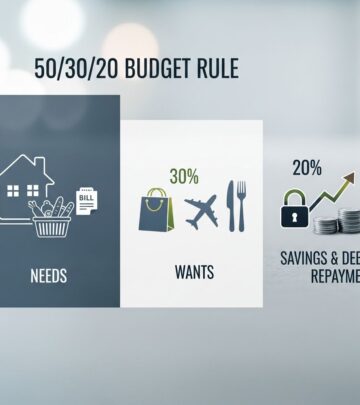
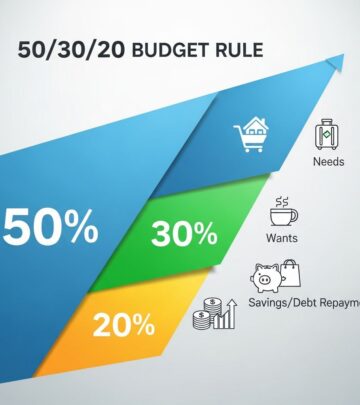
- Allocate funds using proven frameworks, such as assigning 50% to needs, 30% to wants, and 20% to savings or debt repayment.
Building a Bulletproof Budgeting System
A robust budget acts as a financial roadmap, preventing overspending and promoting savings. Start by tracking all transactions for a month to reveal patterns—many discover hidden leaks like unused subscriptions.
Implement digital tools for automation: mobile apps categorize spends in real-time, alerting users to potential overruns. Set weekly reviews to adjust allocations dynamically.
| Budget Category | Recommended % of Income | Example for $4,000 Monthly Income |
|---|---|---|
| Needs (Essentials) | 50% | $2,000 |
| Wants (Discretionary) | 30% | $1,200 |
| Savings/Debt | 20% | $800 |
This 50/30/20 model provides flexibility while enforcing discipline. Regularly refine it based on life changes, like income boosts or family expansions.
Strategic Credit Card Usage for Maximum Benefit
Credit cards offer convenience, rewards, and credit-building potential when used correctly. Treat them as spending tools, not borrowing mechanisms—charge only what you can repay fully each month to sidestep interest.
Select cards matching your lifestyle: travel enthusiasts benefit from mileage accumulators, while everyday shoppers prefer cash-back options at 1-2% per purchase. Avoid high-fee cards unless perks outweigh costs.
- Pay balances in full monthly to eliminate interest accrual.
- Opt for low-APR cards as backups for unforeseen needs.
- Steer clear of cash advances, which carry immediate high fees and rates.
Maintaining Optimal Credit Utilization
Credit utilization—the ratio of balances to limits—comprises 30% of FICO scores. Keeping it under 30%, ideally below 10%, signals responsibility to lenders.
For a $10,000 total limit, cap balances at $3,000 max, or $1,000 for elite scores. Multiple cards help dilute utilization: spread purchases across them without exceeding thresholds.
Monitor via free credit reports; apps provide instant ratios. Request limit increases judiciously to boost available credit without hard inquiries.
The Power of Timely Payments and Automation
On-time payments are the cornerstone of credit health, avoiding fees and score dings. Late payments linger on reports for seven years, but consistent timeliness rebuilds profiles swiftly.
Automate payments: set full-balance autopay to eliminate forgetfulness. A 2024 survey revealed over a third of Americans faced late fees recently—automation prevents this.
If carrying balances, prioritize exceeding minimums to curb interest compounding. Even small overpayments accelerate payoff timelines dramatically.
Tracking Expenses to Curb Impulse Spending
Overspending thrives in the dark; visibility through tracking illuminates leaks. Review statements monthly for accuracy, spotting fraud or forgotten charges like gym fees.
Use cash for discretionary buys to feel immediate impact—credit delays this feedback, fostering excess. Post-purchase, transfer equivalent funds to cards to mimic cash discipline.
Leverage apps for categorization: visualize spends on groceries vs. gadgets, enabling cuts where needed without deprivation.
Leveraging Rewards Without Falling into Debt
Rewards programs return billions annually when paired with discipline. Match cards to habits—gas rewards for commuters, points for diners—to amplify value.
Redeem strategically: offset travel or statement credits. Track expiration dates and optimal redemption ratios to maximize returns.
- Grocery-heavy spenders: 3-6% back cards.
- Travelers: Airline/hotel partnerships.
- Universal: Flat-rate cash back at 1.5-2%.
Recognizing and Avoiding Debt Cycles
Debt spirals from minimum payments, where interest dominates. A $5,000 balance at 20% APR takes over a decade to clear with minima alone, costing thousands extra.
Break cycles by consolidating high-rate debts or negotiating rates. Build emergency funds covering 3-6 months’ expenses to avert reliance on credit.
Long-Term Habits for Financial Freedom
Sustainable habits evolve: annually reassess budgets, credit needs, and goals. Educate via free resources—counseling, webinars—to stay informed.
Celebrate milestones like zero balances or score jumps to maintain motivation. Compound discipline yields freedom: lower rates, better loans, wealth accumulation.
Frequently Asked Questions
What if I can’t pay my full balance monthly?
Pay more than the minimum to reduce principal faster, minimizing interest. Prioritize high-APR debts and cut non-essentials.
How low should credit utilization be?
Aim for under 30%; 10% or less optimizes scores.
Are rewards cards worth it?
Yes, if paid off monthly—earnings offset costs without debt risk.
How do I track spending effectively?
Use apps, review statements weekly, categorize rigorously.
What damages credit most?
Late payments and high utilization—address promptly.
References
- Smart Credit Card Habits That Pay Off — Unitus Community Credit Union. 2023. https://www.unitusccu.com/blog/smart-credit-card-habits-that-pay-off/
- Credit Card Management: Best Practices — American Express. 2024. https://www.americanexpress.com/en-us/credit-cards/credit-intel/credit-card-management/
- 5 Best Practices for Using a Credit Card — Affinity Federal Credit Union. 2023. https://www.affinityfcu.com/financial-wellbeing/blog/credit/5-best-practices-for-using-a-credit-card
- Habits of a Responsible Credit Card User — Oregon State Credit Union. 2024. https://www.oregonstatecu.com/financial-education/habits-of-a-responsible-credit-card-user/
- 5 Smart Strategies for Everyday Credit Card Use — Fifth Third Bank. 2024. https://www.53.com/content/fifth-third/en/financial-insights/personal/financial-education/5-smart-strategies-for-everyday-credit-card-use.html
- Best Practices for Using a Credit Card — Embers Credit Union. 2023. https://www.embers.org/articles/best-practices-for-using-a-credit-card
Similar Articles








Read full bio of medha deb