Mastering Savings in 2026
Unlock proven strategies to boost your savings, build financial security, and achieve lasting wealth in the new year with practical, actionable steps.
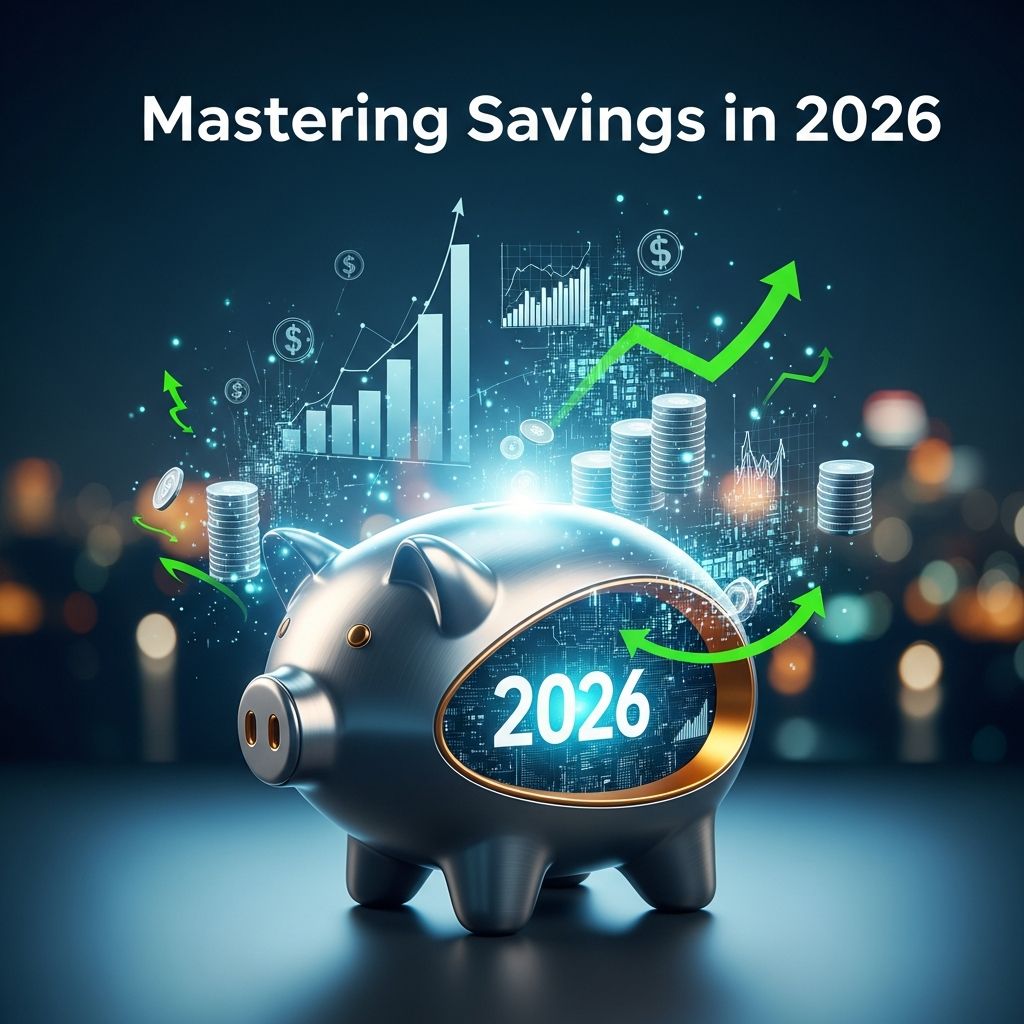
Building substantial savings requires intentional planning and consistent action, especially as economic conditions evolve. In 2026, individuals can leverage updated strategies to enhance their financial resilience, covering everything from goal-setting to investment optimization.
Establishing Firm Financial Foundations
Success in saving begins with a clear understanding of your current position. Reflect on past spending patterns to identify opportunities for improvement. Financial experts emphasize reviewing the previous year’s transactions to spot trends like excessive subscriptions or unplanned purchases. This reflection sets the stage for targeted adjustments.
Track inflows and outflows meticulously for at least one week using bank statements and apps. This reveals hidden leaks, such as recurring fees, allowing for immediate corrections like switching to generics or pausing services.
Crafting SMART Savings Objectives
Define precise targets to maintain motivation. Employ the SMART framework: Specific, Measurable, Attainable, Relevant, and Time-bound. For instance, aim to save $500 monthly for an emergency fund within six months rather than a vague ‘save more’.
- Specific: Target exact amounts and purposes, like a down payment or vacation.
- Measurable: Monitor progress via account balances or apps.
- Attainable: Align with income realities to avoid frustration.
- Relevant: Tie to personal priorities for sustained commitment.
- Time-bound: Set deadlines to create urgency.
Separate accounts for distinct goals—emergency, short-term travel, long-term retirement—prevents commingling and accidental spending.
Refining Your Budget for Maximum Impact
A dynamic budget acts as your financial compass. Annually reassess allocations, cutting non-essentials to redirect funds toward savings. Small changes, like reducing dining out by 20%, compound significantly.
| Category | Current Spend | Adjusted Target | Monthly Savings Gain |
|---|---|---|---|
| Subscriptions | $100 | $40 | $60 |
| Dining Out | $300 | $200 | $100 |
| Groceries | $500 | $450 | $50 |
| Entertainment | $150 | $100 | $50 |
| Total | $1,050 | $790 | $260 |
This table illustrates potential reallocations, freeing $260 monthly for savings. Tools from banks simplify tracking.
Eliminating Debt Barriers
High-interest obligations erode saving potential. Prioritize repayment of credit cards or loans exceeding 7% interest, using avalanche or snowball methods. Freed cash flow then accelerates savings.
Maintain an emergency buffer of 3-6 months’ expenses in a high-yield account to avoid new debt during crises.
Optimizing Cash Holdings and Liquidity
Balance liquidity with returns. With anticipated rate adjustments, favor short-term fixed income (5-7 years maturity) for stability. Establish a portfolio line of credit for emergencies, preserving investments and deferring taxes.
Asset location strategies place tax-inefficient holdings in retirement accounts, maximizing after-tax growth.
Enhancing Investment and Retirement Strategies
Review portfolios annually for alignment with goals. Diversify for resilience amid market shifts. Boost retirement contributions to capture employer matches—’free money’ compounding over decades.
Consider Roth conversions or HSAs for tax advantages, consulting professionals for personalization.
Streamlining Recurring Expenses
Audit subscriptions quarterly; cancel unused ones to reclaim hundreds annually. Negotiate bills or bundle services for discounts.
Conducting Annual Financial Reviews
Life changes necessitate plan updates. End-of-year audits ensure strategies remain relevant, incorporating new income or family needs.
Building an Emergency Safety Net
Prioritize 3-6 months’ coverage in liquid accounts. Automate transfers post-paycheck to build effortlessly.
Leveraging Technology and Automation
Apps round up purchases or auto-save percentages of deposits. High-yield savings now offer competitive rates.
FAQs
How much should I save for emergencies?
Aim for 3-6 months of living expenses, adjusted for job stability.
What’s the best way to pay off debt while saving?
Focus on high-interest debt first, then build savings.
Should I separate savings accounts?
Yes, for clarity and discipline across goals.
How often to review my budget?
Monthly checks, annual overhauls.
Are high-yield savings accounts safe?
FDIC-insured up to $250,000, ideal for liquidity.
Key Takeaways for 2026
Consistent habits trump drastic overhauls. Start with reflection, set SMART goals, budget rigorously, reduce debt, optimize investments, and review regularly for compounding success.
References
- 10 Ways to Maximize Your Savings in 2026 — SouthStar Bank, S.S.B. 2026-01. https://southstarbank.com/10-ways-to-maximize-your-savings-in-2026/
- Get ready For 2026: Make these 10 planning moves now — J.P. Morgan Private Bank. 2025-12. https://privatebank.jpmorgan.com/nam/en/insights/markets-and-investing/ideas-and-insights/get-ready-for-2026-make-these-10-planning-moves-now
- Year-End Financial Planning: 7 Steps to Start 2026 with Confidence — Merchants Bank AL. 2025-12. https://merchantsbankal.bank/year-end-financial-planning-for-2026/
- How to Set and Stick to New Financial Goals in 2026 — TD Stories. 2025-12. https://stories.td.com/us/en/article/how-to-set-and-stick-to-new-financial-goals-in-2026
- Do This, Not That: Financial Wellness Tips to Plan Your 2026 Money Goals — Service Credit Union. 2025-12. https://servicecu.org/resources/blog/detail/do-this–not-that–financial-wellness-tips-to-plan-your-2026-money-goals/
Similar Articles








Read full bio of medha deb