Revolving Credit: An Essential Guide To Flexible Borrowing
Unlock the power of revolving credit to build financial flexibility and boost your credit score responsibly.

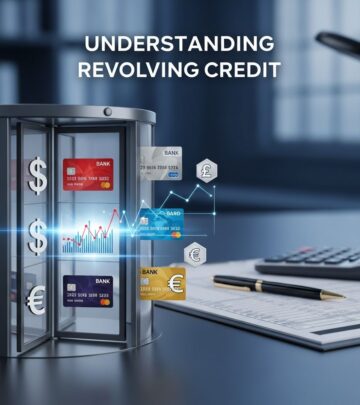
Revolving credit provides ongoing access to funds up to a predetermined limit, allowing borrowers to draw, repay, and redraw as needed without reapplying each time. This financial tool, commonly seen in credit cards and lines of credit, offers unparalleled flexibility for managing cash flow in both personal and business contexts.
Defining Revolving Credit and Its Core Mechanics
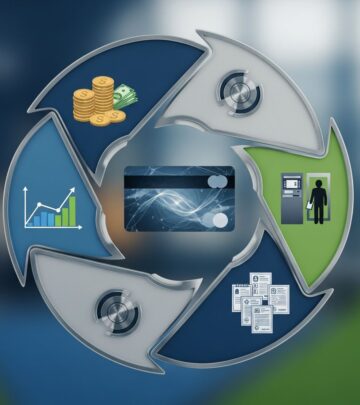
At its essence, revolving credit functions like a renewable pool of money from a lender. Once approved, you receive a credit limit—the maximum amount you can borrow. As you use funds, your available credit decreases, but repayments restore it, creating a cycle of borrowing and replenishment.
Unlike fixed-sum loans, there’s no set repayment schedule beyond minimum payments, typically due monthly. Interest accrues only on the outstanding balance, not the full limit, which can minimize costs if managed well. For instance, credit cards exemplify this: swipe for purchases, pay part or all, and reuse the freed-up amount.
- Key Feature: Continuous access subject to limit.
- Interest Calculation: Daily on used portion only.
- Repayment Flexibility: Minimums required, but full payoff avoids interest.
Common Forms of Revolving Credit
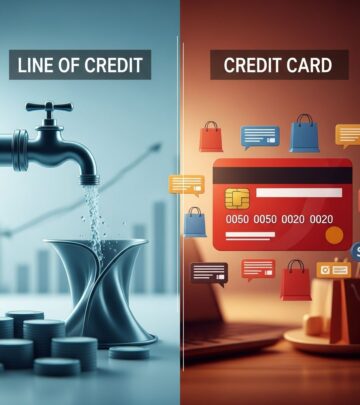
Revolving accounts come in various shapes tailored to different needs. Credit cards dominate consumer use, enabling everyday spending and rewards. Personal lines of credit (PLOCs) offer unsecured borrowing for general purposes, while home equity lines of credit (HELOCs) leverage property value for larger sums, often at lower rates.
For businesses, revolving facilities support inventory purchases or seasonal demands without depleting reserves. Each type shares the borrow-repay-redraw model but varies in secured status, limits, and rates.
| Type | Description | Best For |
|---|---|---|
| Credit Cards | Unsecured, rewards-focused | Daily purchases, emergencies |
| PLOC | Unsecured personal borrowing | Flexible short-term needs |
| HELOC | Secured by home equity | Large expenses, renovations |
| Business Line | Tailored for operations | Cash flow, inventory |
Revolving Credit Versus Installment Credit: A Clear Comparison
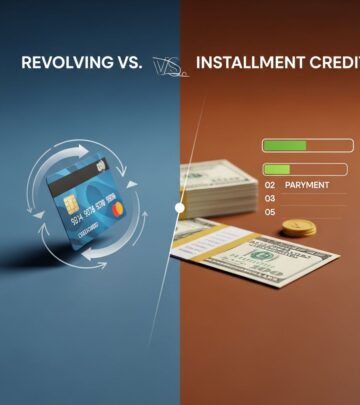
Installment credit, like auto or personal loans, disburses a lump sum repaid in fixed installments. Revolving credit contrasts by offering reusable funds without fixed terms. This table highlights differences:
| Aspect | Revolving Credit | Installment Credit |
|---|---|---|
| Fund Access | Ongoing, up to limit | One-time lump sum |
| Interest | On outstanding balance | On full amount |
| Rates | Typically higher | Usually lower |
| Repayment | Flexible minimums | Fixed schedule |
Revolving suits unpredictable needs; installment fits planned, large purchases.
Strategic Advantages of Utilizing Revolving Credit
The primary strength lies in adaptability. Borrow precisely what you need, avoiding excess debt. For short-term gaps—like covering bills before payday—it’s ideal, as repayments quickly restore capacity.
Businesses benefit from smoothing cash fluctuations, funding payroll or stock without new loans. Personally, it builds convenience: no reapplication hassles mean faster access during crises.
- Cost efficiency on low usage.
- Emergency readiness.
- Scalable borrowing.
Building and Enhancing Credit Through Revolving Accounts
Responsible use bolsters credit profiles. Payment history (35% of FICO score) improves with on-time payments. Low utilization—keeping balances under 30% of limits—signals control, aiding scores.
Starting with a secured card or authorized user status introduces newcomers to credit positively. Mixing revolving with installment diversifies portfolios, another score factor. Experian notes timely revolving payments as pivotal for history building.
Potential Pitfalls and Risk Mitigation
High rates (often 15-25% APR) compound quickly on carried balances. Minimum payments barely dent principal, extending debt. Over-reliance risks cycles of borrowing, eroding financial stability.
Counter with strategies:
- Pay in full monthly.
- Track utilization via apps.
- Set spending alerts.
- Avoid cash advances (higher fees).
Businesses must align usage with revenue to prevent overextension.
Optimal Scenarios for Revolving Credit Deployment
Deploy for variable expenses: travel, repairs, or inventory spikes. Avoid as income substitutes or long-term funding—installment loans suit those better.
Individuals: Bridge paychecks or seize deals. Businesses: Handle seasonal peaks or delays in receivables.
Navigating Approval and Management
Qualify via credit history, income, debt-to-income ratio. Strong profiles unlock better limits/rates. Monitor via statements or credit reports.
Tools like autopay ensure timeliness. Periodically request limit increases post-responsible use, but only if utilization stays low.
Real-World Applications Across Finance
Personal: A family uses a card for holiday shopping, pays off post-bonuses. Business: Retailer draws for Black Friday stock, repays from sales.
Long-term, it fosters discipline, potentially graduating to premium cards with perks.
Frequently Asked Questions (FAQs)
What counts as revolving credit?
Credit cards, lines of credit, HELOCs—any reusable up to a limit.
Does revolving credit hurt my score?
Not if managed well; high utilization or late payments do.
Can businesses use revolving credit?
Yes, for cash flow and operations.
How to lower revolving debt fast?
Prioritize high-interest balances, consolidate if possible, cut non-essentials.
Is revolving credit secured or unsecured?
Often unsecured (cards), but HELOCs are secured.
References
- Revolving vs. Non-revolving Credit: Key Differences — SoFi. 2023. https://www.sofi.com/learn/content/revolving-vs-non-revolving-credit/
- Revolving credit: What is it and why is it so valuable for SMBs? — GetDefacto. 2024. https://www.getdefacto.com/article/revolving-credit
- What is Revolving Credit & How does it work — Academy Bank. 2024. https://www.academybank.com/article/what-is-revolving-credit-and-how-does-it-work
- Revolving Credit & How it Works — Armed Forces Bank. 2024. https://www.afbank.com/article/revolving-credit-and-how-it-works
- What Is Revolving Credit and How Does It Work? — Capital One. 2025-12-16. https://www.capitalone.com/learn-grow/money-management/revolving-credit-balance/
- What Is Revolving Credit? — Experian. 2024. https://www.experian.com/blogs/ask-experian/what-is-revolving-credit/
Similar Articles








Read full bio of medha deb