Mastering Post-Interview Follow-Up for Internship Success
Strategic techniques to reinforce your candidacy after the interview concludes
The internship interview represents a critical milestone in your career development journey, but the process doesn’t conclude when you walk out the door. What happens after the interview often determines whether you advance to the next stage or fade into obscurity within a recruiter’s overflowing inbox. The follow-up phase is where many promising candidates fail to distinguish themselves, missing an opportunity to reinforce their qualifications and demonstrate professional maturity. Understanding how to execute a strategic and thoughtful follow-up can be the decisive factor that transforms your candidacy from promising to irresistible.
Why Post-Interview Follow-Up Matters More Than You Think
Recruiters and hiring managers process dozens—sometimes hundreds—of applications for a single internship position. Within this overwhelming volume of candidates, those who take initiative to follow up often stand out significantly. A well-timed and professionally executed follow-up accomplishes multiple objectives simultaneously. First, it reinforces your genuine interest in the position, demonstrating that you’re not simply applying to numerous organizations without thoughtful consideration. Second, it keeps your name and qualifications fresh in the hiring manager’s mind precisely when they’re beginning to evaluate candidates seriously. Third, it provides an additional opportunity to communicate your value proposition and address any concerns that may have arisen during the interview.
The psychological impact of follow-up cannot be overstated. When hiring managers face difficult decisions between similarly qualified candidates, they often gravitate toward the person who “feels right”—and consistent, professional communication contributes significantly to that feeling. Your follow-up serves as evidence that you possess initiative, attention to detail, and professional communication skills—all critical attributes for successful interns.
The Critical Timing Factor: When to Reach Out
The timing of your follow-up is not arbitrary; it significantly influences how your communication is received. The most widely recommended timeframe for sending an initial follow-up email is within 24 hours of your interview—ideally on the same day or the following morning. This window is optimal because your interview remains fresh in the interviewer’s memory, and your prompt response demonstrates enthusiasm and professionalism.
However, timing considerations extend beyond just the initial follow-up. If you’ve submitted an application but haven’t heard back, waiting approximately 10 days to two weeks before making first contact is advisable. This waiting period acknowledges that hiring managers are typically processing numerous applications and may not have reached yours immediately. Reaching out too soon after submission can create the undesired impression of pushiness or desperation.
For subsequent follow-ups after your initial outreach, spacing them approximately one week apart is reasonable. Career professionals recommend limiting yourself to three or four follow-up attempts spaced across this timeline. Exceeding this frequency risks crossing from persistence into annoyance, potentially damaging your candidacy rather than strengthening it.
Crafting Your Thank-You Communication
The foundational element of any post-interview follow-up is a genuine expression of gratitude. This thank-you message serves multiple strategic purposes beyond simple politeness—it demonstrates respect for the interviewer’s time, reinforces your professional communication abilities, and provides an opportunity to reaffirm your interest in the position.
Email Versus Handwritten Notes
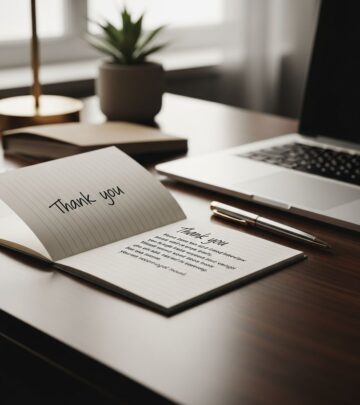
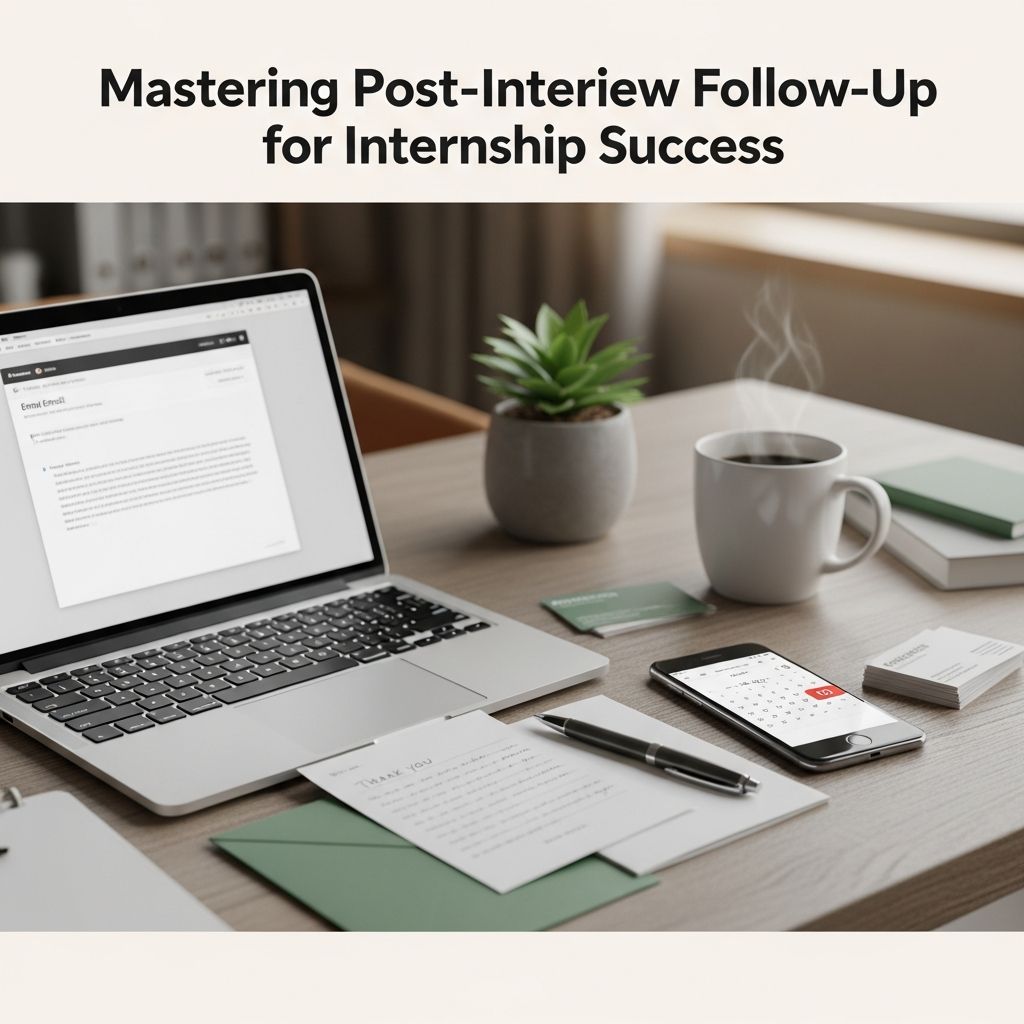
While email is the standard medium for professional follow-up communication, incorporating handwritten elements can differentiate you from competitors. Consider sending a formal thank-you email first, then supplementing it with a handwritten note if you have the contact’s mailing address. This dual approach demonstrates exceptional attention to detail and genuine appreciation—qualities that most candidates overlook entirely. Handwritten notes are particularly effective when sent to secondary contacts you met during the interview process, such as team members or administrative staff.
Key Elements of Your Thank-You Email
Your thank-you email should include several essential components to maximize its effectiveness:
- Personalization: Reference specific topics discussed during your interview, demonstrating that you listened attentively and engaged meaningfully with the conversation.
- Specific Value Proposition: Briefly reiterate how your particular skills or experiences make you an ideal fit for this specific internship role.
- Professional Tone: Maintain formal language while allowing your personality to shine through—avoid overly stiff or artificially casual approaches.
- Conciseness: Keep your message brief and focused; hiring managers appreciate respect for their time.
- Clear Signature: Include complete contact information, allowing the interviewer to easily reach you via their preferred method.
Progressive Follow-Up Strategy
The follow-up process should evolve as you move through different stages of the hiring timeline. Your strategy should adapt based on your situation: whether you’re following up after an interview, checking on an application status, or confirming next steps in the process.
Initial Post-Interview Follow-Up
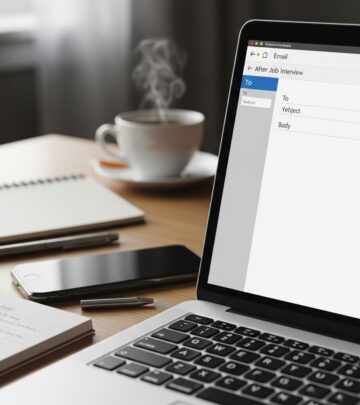
Immediately after your interview concludes, send a brief email that thanks the interviewer for their time and reiterates your enthusiasm for the position. This initial contact should be sent within 24 hours and should be relatively short—typically 3-4 sentences. Your goal is to thank them, reference a meaningful moment from your conversation, and express your continued interest.
Application Status Inquiries
If you’ve submitted an application but haven’t received an interview invitation after 10-14 days, a professional inquiry email is appropriate. In this message, confirm receipt of your application, restate your interest in the position, and express willingness to provide additional information if helpful. This approach demonstrates initiative while remaining respectful of their hiring timeline.
Decision Timeline Questions
When appropriate, you can respectfully inquire about the timeline for hiring decisions. This question works particularly well if you’re asking whether the position is still open or when the company expects to make final selections. Such questions demonstrate professional interest and help you manage your own timeline as you continue applying to other positions.
Method and Medium: Choosing Your Communication Channel
Email remains the standard professional medium for internship follow-up communication, but understanding when and how to use alternative channels can enhance your strategy.
Professional Email Best Practices
Your email address should project professionalism—this means using your actual name rather than clever or casual usernames from your high school years. If you’re using a personal email account, ensure it follows a professional format (firstname.lastname@domain.com). Your subject line should be clear and specific, ideally referencing the position title and your name so the recruiter immediately understands your email’s purpose.
Format your email with proper business letter structure when possible: include a heading with your full name, address, and contact information, followed by the current date and the recipient’s complete contact details. This formal approach, while taking slightly more effort, communicates exceptional professionalism and attention to detail that distinguishes you from candidates using casual email formats.
LinkedIn as a Supplementary Channel
LinkedIn messages can serve as a complementary follow-up method, particularly if the interviewer is a direct connection. A brief, professional message on LinkedIn might reference your recent interview and reiterate your interest. However, LinkedIn should never replace email—it should supplement your formal written communication as an additional touchpoint.
In-Person Follow-Up Considerations
If the internship opportunity is with a local organization near your residence, an in-person visit to inquire about your application status is possible but requires careful execution. If you choose this approach, dress in business attire—the same professional clothing you would wear to the actual interview. Your goal is to briefly confirm that your application was received and reinforce your interest, not to conduct an impromptu second interview. Keep your in-person interaction to five minutes or less, respecting the recruiter’s time and workplace environment.
Standing Out Through Thoughtful Follow-Up
Beyond the basic thank-you email, several strategies can help your follow-up communication create memorable impressions:
- Reference Specific Conversations: Mentioning particular topics or interesting points from your interview demonstrates genuine engagement and memory retention.
- Provide Added Value: If relevant, mention an article, research, or resource related to your conversation that you thought the interviewer might find interesting.
- Ask Intelligent Questions: When appropriate, pose thoughtful questions about the role, team dynamics, or company culture—questions that demonstrate you’ve researched thoroughly and thought carefully about this opportunity.
- Update on Relevant Accomplishments: If you’ve completed a relevant project or achievement since your interview, mentioning it briefly in a follow-up can reinforce your qualifications.
Managing Multiple Follow-Ups Without Appearing Desperate
The line between persistent and pushy can feel thin when you’re following up on an internship opportunity. Strategic pacing and varied messaging approaches help you maintain professionalism throughout the process.
Rather than sending identical messages asking for status updates, vary your approach. Your first follow-up might be a thank-you email. Your second, sent a week later, could be an inquiry about timeline. Your third might reference a company news story or ask about next steps. This variation demonstrates continued interest while suggesting you have multiple thoughtful reasons for contacting them beyond simply anxious persistence.
If you haven’t heard back after three or four spaced follow-up attempts, it’s time to accept that this particular opportunity may not be moving forward. Move your focus to other applications and internship prospects rather than continuing to pursue an unresponsive organization.
Addressing Special Circumstances
Following Up With Multiple Interviewers
If you interviewed with several people from the same organization, send a personalized thank-you email to each individual within 24 hours. While these emails should follow the same general structure, customize them by referencing specific conversations you had with each interviewer. Avoid sending identical emails to multiple people—this generic approach diminishes the impact of your gratitude.
When You Receive Rejection
If you receive notice that you didn’t advance in the process, respond gracefully with a brief email thanking them for the opportunity and feedback. Express your continued interest in future opportunities with the organization. This professional response keeps the door open for potential internship opportunities down the road, particularly if the organization offers multiple internship cycles.
Long-Distance Candidates
If you’re applying to internships in a different city or state, mention in both your cover letter and follow-up communications when you’ll be visiting that area and would be available for in-person interviews. This proactive approach demonstrates flexibility and removes logistical barriers that might otherwise prevent you from being considered.
Frequently Asked Questions About Follow-Up Protocol
How long should my follow-up email be?
Your thank-you email should be brief—ideally 3-4 sentences for the initial post-interview message. Application status inquiries might be slightly longer but should still remain concise, typically under 150 words. Hiring managers appreciate respect for their time.
What if I don’t have the interviewer’s direct email address?
If you have the company’s main email address but not the specific person’s address, address your email to “Hiring Team” or the specific department. You can also call the main office to request the correct contact information, which demonstrates initiative and ensures your message reaches the right person.
Is it appropriate to follow up via phone instead of email?
Email is generally preferable as your primary medium because it creates a professional record and allows the recipient to respond at their convenience. However, if you have a direct phone number and a genuine reason for calling (such as confirming interview attendance), a brief phone call is acceptable before the interview. After the interview, stick with email for follow-up unless the interviewer specifically suggested otherwise.
How many times is too many times to follow up?
Limit yourself to three or four follow-up attempts spaced approximately one week apart. Exceeding this frequency tips from professional persistence into unwanted persistence. If you haven’t heard back after four thoughtful follow-ups, it’s time to redirect your energy toward other opportunities.
Building Long-Term Professional Relationships
While your immediate goal is securing the internship, remember that every interaction with a potential employer contributes to your professional reputation. Hiring managers often encounter applicants across multiple positions and companies throughout their careers. The professional manner in which you conduct yourself—including your follow-up communication—influences how they perceive you both now and in future professional encounters.
Even if you don’t receive this particular internship, maintaining respectful and professional communication can lead to future opportunities, references, mentoring relationships, or networking connections that benefit your career trajectory. Approach each follow-up interaction with the understanding that you’re building relationships that extend far beyond a single application cycle.
References
- How To Follow Up On An Internship Opportunity — Chase Bank. Accessed February 2026. https://www.chase.com/personal/banking/education/student/following-up-on-internship-opportunity
- 5 Unsaid Rules for Following Up on Your Internship Applications — Her Campus. Accessed February 2026. https://www.hercampus.com/career/how-follow-internship-applications
- Here’s How To Be A Master At Interview Follow-Up — WayUp. Accessed February 2026. https://www.wayup.com/guide/the-ultimate-guide-to-following-up/
- The Job/Internship Application Waiting Game: Don’t Forget to Follow Up — University of Pennsylvania Career Services. Accessed February 2026. https://ulife.vpul.upenn.edu/careerservices/blog/2012/02/23/the-jobinternship-application-waiting-game-dont-forget-to-follow-up/
- Internship Success Tips — UC Berkeley Life. Accessed February 2026. https://life.berkeley.edu/internship-success-tips/
Similar Articles








Read full bio of medha deb