Parking Brake: 5 Essential Steps To Use It Correctly
Discover essential techniques for deploying your parking brake correctly to safeguard your vehicle and boost driving safety every time.
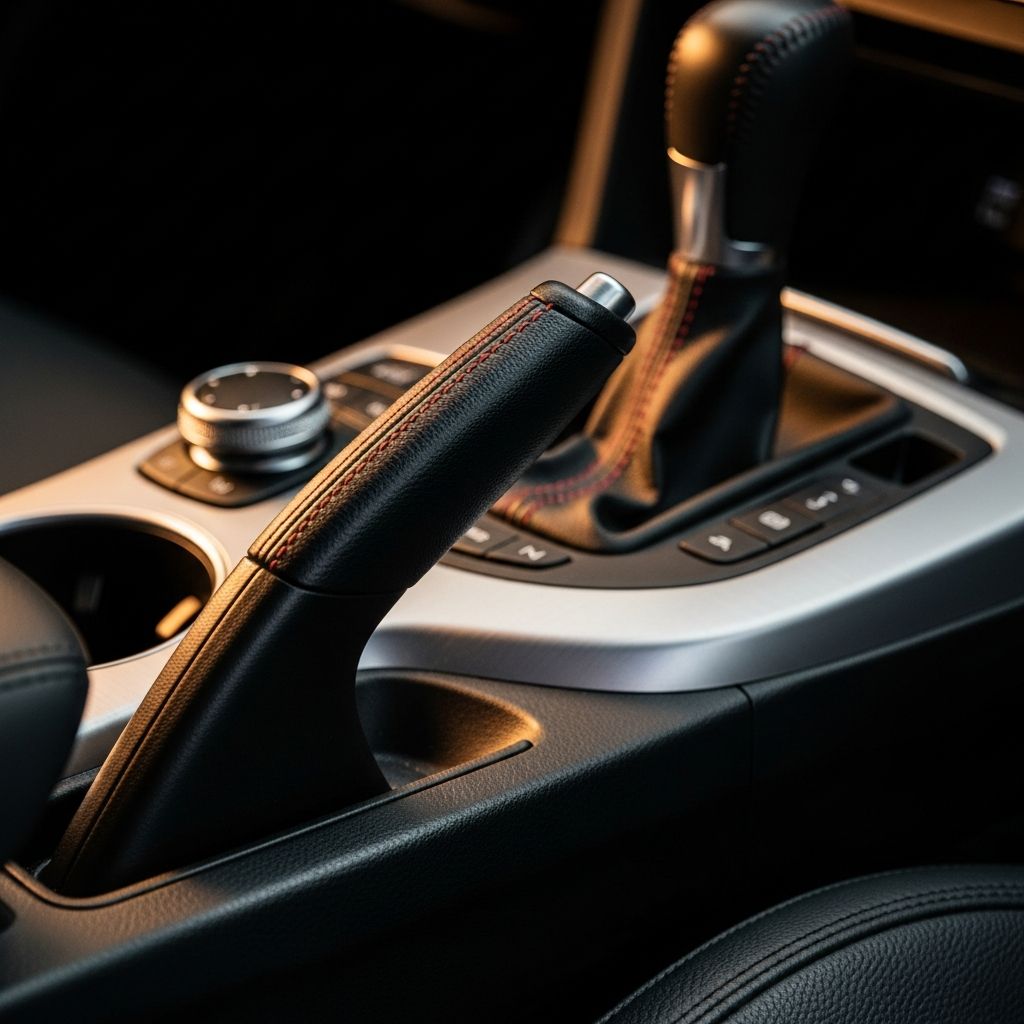
The parking brake, often called the handbrake or emergency brake, plays a vital role in vehicle operation beyond mere emergencies. It secures your car when parked, reduces strain on critical components, and enhances overall safety. Proper use prevents unexpected rollaways and prolongs drivetrain life, making it a habit worth cultivating for every driver.
Understanding the Parking Brake Mechanism
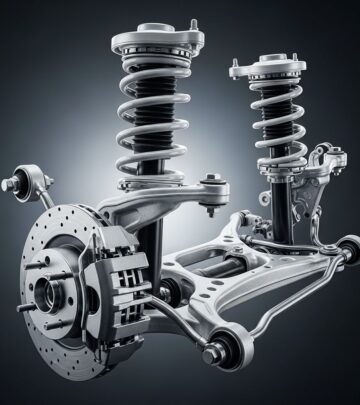
At its core, the parking brake operates independently from the main hydraulic braking system. In most vehicles, it engages mechanical components within the rear wheels. When activated, parking brake shoes or pads expand against the inner drum or disc surfaces, creating friction that locks the wheels in place. This design ensures the vehicle remains stationary even if the transmission fails to hold it.
Modern cars may feature electronic parking brakes (EPBs), which use motors to apply the same mechanical force via a simple button press. Traditional lever-style systems rely on cables connected to the rear brakes. Regardless of type, the goal remains: immobilize the vehicle without relying solely on fluid pressure, which could fail under prolonged parking conditions.
- Mechanical advantage: Lever or screw mechanisms amplify hand or foot force for secure hold.
- Rear-wheel focus: Targets rear tires to counter rolling tendencies effectively.
- Independent operation: Functions without engine power or hydraulic assistance.
Daily Routine: Always Engage Before Park
Counter to common belief, the parking brake deserves activation every time you park, not just on slopes. For automatic transmissions, shifting to ‘Park’ deploys a small metal pin, known as the parking pawl, into a transmission gear notch. This pin bears the full vehicle weight if not supplemented, leading to accelerated wear.
By applying the parking brake first, weight transfers to the rear wheels, sparing the pawl from stress. This simple step extends transmission longevity and eases future gear shifts, as the system isn’t under constant load.
| Scenario | Correct Sequence | Benefit |
|---|---|---|
| Flat Surface | Brake pedal down → Engage parking brake → Shift to Park → Release pedal | Reduces pawl strain daily |
| Incline | Brake pedal down → Engage parking brake → Shift to Park → Release pedal | Prevents rollback entirely |
| Quick Stop (e.g., Gas Station) | Same sequence | Quick security without transmission load |
Essential Steps for Proper Activation
Follow this foolproof process to engage your parking brake safely:
- Come to a complete stop with your foot firmly on the brake pedal.
- Fully depress the brake pedal to hold position.
- Pull the hand lever fully upward with steady force—avoid yanking to prevent cable damage—or press the EPB button.
- Shift into ‘Park’ (automatic) or neutral/first gear (manual).
- Slowly release the brake pedal, confirming no movement.
For release: Foot on brake → For levers, pull slightly up while pressing the ratchet button, then lower fully; for EPBs, press and hold the button. Dashboard warning lights confirm status—heed them always.
Critical Scenarios Demanding Parking Brake Use
On Steep Hills
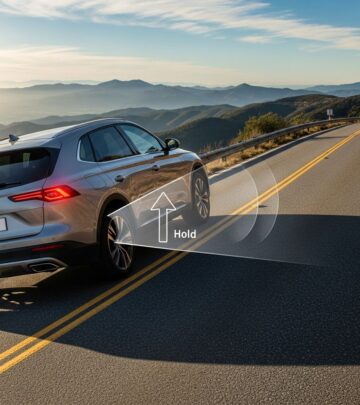
Hills amplify rollback risks. Without the parking brake, the transmission pawl or clutch (in manuals) absorbs immense torque. Engage it while holding the brake to shift weight rearward, eliminating jolt to the drivetrain. Manuals benefit doubly: it holds during clutch modulation on starts.
Manual Transmission Essentials
Owners of stick shifts must use the parking brake religiously. Leaving in gear alone risks slippage on inclines, straining the clutch. Apply it every park, regardless of surface, to distribute load properly.
Short Stops and Everyday Parking
Even brief pauses, like at a drive-thru or store, warrant its use. It prevents creep from vibrations or slight slopes, protecting nearby vehicles and pedestrians.
Common Mistakes and Fixes
Many drivers skip the parking brake on flats, assuming ‘Park’ suffices—this overloads the pawl over time. Others engage it post-Park, causing that telltale rock as weight settles. Always pre-engage.
- Error: Partial pull. Solution: Full stroke for complete hold; check manual for tension specs.
- Error: Forgetting on automatics. Solution: Build habit via dashboard reminders.
- Error: Aggressive cranking. Solution: Smooth, firm pull—no need for max force.
Maintenance for Reliability
Regular checks ensure performance. Listen for clicks on engagement (3-5 typical for levers). Inspect cables for rust or fraying annually, especially in harsh climates. EPBs self-diagnose via onboard computers—address warning lights promptly.
Professional service every 30,000 miles adjusts tension. Neglect leads to slippage, risking rollaways. Test periodically: Park on mild incline, engage/disengage, observe no motion.
Emergency Applications: Beyond Parking
Though not primary, the parking brake aids in true emergencies. For brake failure, deploy gradually while steering to a safe stop—modern ABS mitigates wheel lock. Practice in empty lots to build confidence, but prioritize main brakes first.
Vehicle-Specific Variations
Consult your owner’s manual—procedures vary. Hybrids/EVs may integrate EPBs with regenerative systems. Heavy trucks or SUVs demand firmer pulls due to mass. Children in cars? Double-check engagement.
FAQs
What happens if I never use the parking brake?
Transmission pawl wears prematurely, potentially stranding you as shifts bind.
Is the parking brake the same as emergency brake?
Yes, synonymous terms; primary role is parking security.
Does using it wear it out faster?
No—it’s engineered for daily use; proper maintenance prevents issues.
Electronic vs. manual: Any difference in use?
EPBs auto-adjust but follow same sequence; buttons simpler but require battery power.
On ice or snow, is it safe?
Yes, for parking; it mechanically locks wheels without hydraulic slip risk.
Adopting correct parking brake habits transforms routine driving. It shields expensive components, averts accidents, and instills confidence. Make it automatic—your vehicle will thank you with years of reliable service.
References
- Are You Using Your Parking Brake the Wrong Way? — Tires Plus. 2023. https://www.tiresplus.com/blog/brakes/using-parking-brake-wrong/
- How To Use A Parking Brake In A Car-Hand Brake Tutorial — YouTube (Driving Test Tips). 2020-10-15. https://www.youtube.com/watch?v=Aff5Xj9zveI
- The Right Way To Use Your Parking Brake — YouTube (Around The Home). 2022-06-07. https://www.youtube.com/watch?v=VkOmpdOUo5k
- Proper use of the parking brake in a manual — Car Talk Community. 2023. https://community.cartalk.com/t/proper-use-of-the-parking-brake-in-a-manual/49690
- How and When to Use Your Emergency Brake — Nationwide. 2024. https://www.nationwide.com/lc/resources/auto-insurance/articles/how-and-when-to-use-emergency-brake
Similar Articles








Read full bio of medha deb