Money Savings In 2026: Practical Steps To Build Emergency Funds
Unlock proven strategies to build wealth and cut expenses effortlessly in the new year with actionable 2026 savings tips.
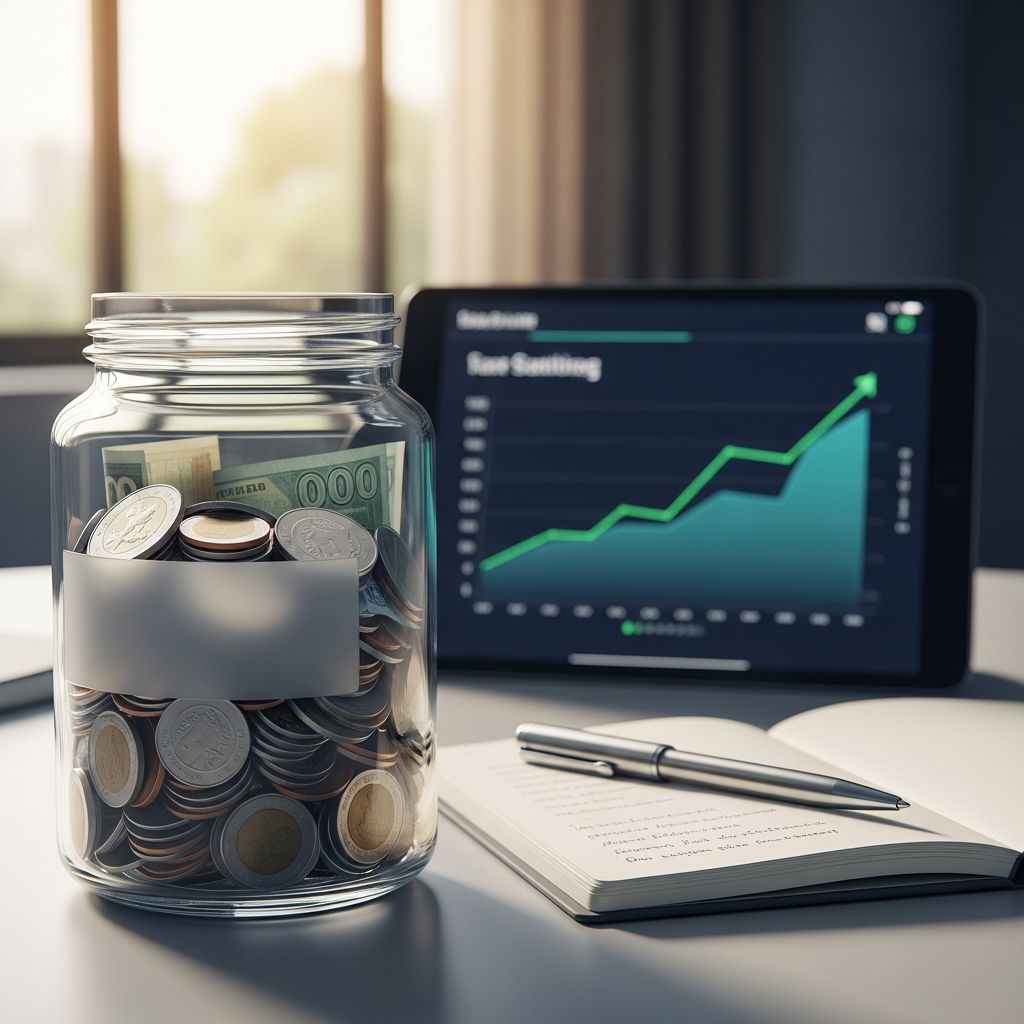
Entering 2026 offers a fresh opportunity to strengthen your financial foundation. With economic shifts like potential interest rate adjustments, prioritizing savings becomes essential for long-term stability. This guide explores comprehensive approaches to reduce spending, automate growth, and embrace challenges that make saving engaging and sustainable.
Building a Strong Savings Foundation
Start by assessing your current financial position. Track income against outflows to identify leaks. Setting specific, measurable targets—such as allocating $200 monthly to an emergency fund—provides clarity and motivation. Automation plays a key role: direct a portion of each paycheck into high-yield accounts before discretionary spending occurs. This ‘pay yourself first’ principle ensures consistent progress without relying on willpower alone.
High-yield savings accounts stand out for their superior interest rates compared to traditional options, often exceeding national averages while offering FDIC protection. These accounts suit funds needed for short-term access, accelerating growth through compounding.
Everyday Habits for Immediate Impact
Small changes yield big results. Review subscriptions quarterly; many services go unused yet drain hundreds annually. Cancel or pause them after a quick audit of bank statements. Similarly, limit convenience purchases like gas station snacks by stocking bulk alternatives at home.
- Implement a cash envelope system for variable categories like groceries to curb overspending visually.
- Opt for public transit or carpooling to slash fuel and maintenance costs, especially for commuters.
- Plan weekly meals to avoid impulse buys, potentially halving grocery expenses for larger households.
Embrace secondhand shopping for non-essentials and bulk buying for staples. A 24-hour rule for non-essential purchases over a set amount prevents regretful spending.
Optimizing Major Expenses
Insurance audits can reveal savings; compare providers annually, as loyalty often leads to overpaying. Recent examples show cuts up to 50% by switching. Refinancing high-interest debt amid expected rate drops in 2026 could save thousands in interest. Focus on shorter-term fixed income for resilience against volatility.
| Expense Category | Action | Potential Annual Savings |
|---|---|---|
| Insurance | Audit and switch providers | $500–$2,000 |
| Debt | Refinance or balance transfer | $1,000+ |
| Dining Out | Water instead of soda; fewer visits | $300–$800 |
| Subscriptions | Cancel unused | $200–$600 |
Fun Savings Challenges to Stay Motivated
Challenges transform saving into a game. The 100-envelope method involves labeling envelopes from $1 to $100, drawing one daily to deposit that amount, potentially yielding over $5,000 in three months. No-spend periods target extras like coffee or clothes, redirecting funds to savings and breaking habits.
- Commit to a no-spend week monthly, tracking avoided temptations.
- Try zero-dollar days using only pantry staples and free resources.
- Participate in a subscription pause, evaluating necessity post-challenge.
These gamified tactics build discipline while accumulating meaningful sums.
Leveraging Technology and Resources
Budgeting apps assign every dollar a purpose, easing adherence. Tools like automated transfers and spending trackers simplify management. Libraries provide free e-books, media, and classes, replacing paid subscriptions. Energy optimization, such as efficient appliances, cuts utility bills.
For debt reduction, prioritize high-interest balances. Bartering skills for services offers tax-free savings, ideal for those with time over cash.
Long-Term Wealth Building Strategies
Expand your savings rate by minimizing outflows relative to inflows; even 1% improvements compound significantly. Automate low-threshold bills to free mental space for high-impact decisions. Invest excess cash thoughtfully, aligning with goals and risk tolerance.
Smart memberships only for frequent uses ensure value. Digital minimalism curbs ad-driven urges by limiting social media exposure.
FAQs
What is the best way to start saving in 2026?
Automate transfers to a high-yield savings account right after payday to prioritize savings effortlessly.
How much can I save with challenges like the 100-envelope method?
Completing 100 envelopes from $1 to $100 totals $5,050, providing a substantial boost in under four months.
Should I refinance debt now?
With anticipated rate cuts, yes—target high-interest loans or cards for immediate interest savings.
Are high-yield savings accounts safe?
Yes, FDIC-insured options protect up to $250,000 and offer better rates for accessible funds.
How often should I review subscriptions?
Quarterly audits uncover forgotten charges, often saving $20–$50 monthly per service.
Advanced Tips for Maximum Savings
Explore public lands for free camping to minimize travel costs. Always request discounts, especially for military or seniors. Use cash for vulnerable spending areas to enhance awareness. These layered tactics create a robust savings ecosystem.
In 2026, intentionality drives financial peace. Combine habits, challenges, and optimizations for transformative results. Track progress monthly, adjusting as needed to stay on course.
References
- 10 money savings challenges for 2026 — Fidelity Investments. 2026. https://www.fidelity.com/learning-center/smart-money/money-savings-challenges
- How to save more money in 2026 — CIT Bank. 2026. https://www.cit.com/cit-bank/learn/articles/how-to-save-more-money-in-2026
- Small Financial Habits to Set You Up for a Successful 2026 — Harvard FCU Blog. 2026. https://blog.harvardfcu.org/small-financial-habits-to-set-you-up-for-a-successful-2026
- 26 Money Rules For 2026 — The Curiosity Chronicle by Sahil Bloom. 2026. https://www.sahilbloom.com/newsletter/26-money-rules-for-2026
- Get ready For 2026: Make these 10 planning moves now — J.P. Morgan Private Bank. 2026. https://privatebank.jpmorgan.com/nam/en/insights/markets-and-investing/ideas-and-insights/get-ready-for-2026-make-these-10-planning-moves-now
Similar Articles








Read full bio of medha deb