Mastering Low Credit Utilization
Discover proven strategies to maintain low credit utilization and boost your credit score for better financial opportunities.

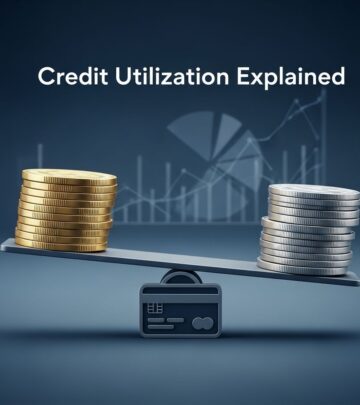
Credit utilization represents the portion of your available revolving credit that you are actively using, serving as a key indicator of financial responsibility to lenders. Maintaining a low ratio not only enhances your credit score but also positions you favorably for future borrowing needs.
The Fundamentals of Credit Utilization
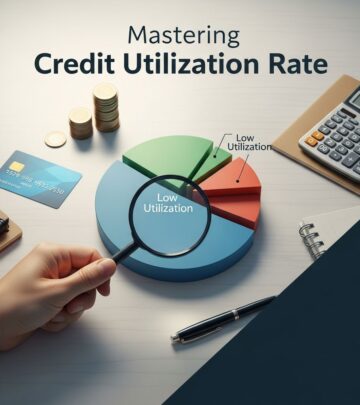
At its core, credit utilization is computed by dividing the total balances on your revolving accounts, such as credit cards, by the sum of your credit limits, then multiplying by 100 to yield a percentage. For instance, if your combined credit limits total $20,000 and your balances amount to $4,000, your ratio stands at 20%.
This metric applies exclusively to revolving credit, excluding fixed-payment loans like mortgages or auto financing, which influence scores differently. Lenders scrutinize both your overall utilization across all accounts and the rate on individual cards, with the highest single-account ratio often carrying significant weight.
Reported balances, typically updated monthly by issuers to credit bureaus, form the basis for scoring models. Thus, timely payments can swiftly reflect positive changes in your score.
Why Low Utilization Drives Credit Success
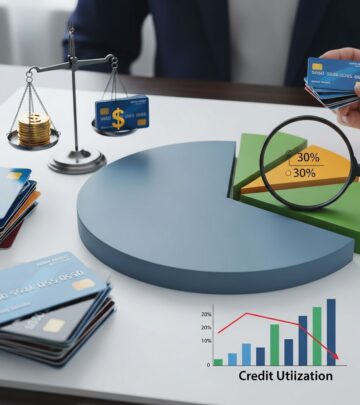
Credit utilization constitutes approximately 30% of your FICO score, ranking as the second-most influential factor after payment history. A low ratio signals to lenders that you manage debt prudently, reducing perceived risk and improving approval odds for loans, cards, and mortgages.
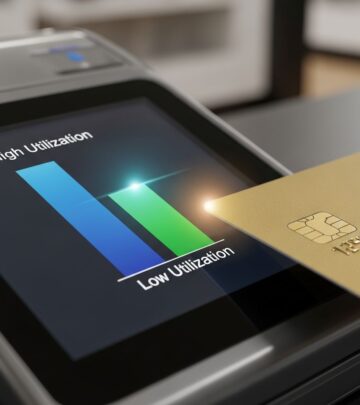
High utilization, conversely, suggests potential overextension, prompting lenders to view you as higher risk, often resulting in denied applications or elevated interest rates. Keeping it under 30%—and ideally below 10%—demonstrates ample buffer for emergencies, enhancing financial flexibility.
| Utilization Range | Impact on Credit Score | Lender Perception |
|---|---|---|
| 0-10% | Highly Positive | Low Risk, Excellent Management |
| 10-30% | Positive | Responsible Borrower |
| 30-50% | Neutral to Negative | Increased Scrutiny |
| 50%+ | Strongly Negative | High Risk of Default |
This table illustrates how varying levels affect outcomes, underscoring the value of proactive management.
Practical Tactics to Reduce Your Ratio
Achieving and sustaining low utilization demands deliberate actions across spending, payments, and account management.
Accelerate Balance Paydowns
Prioritize paying down high-balance cards to lower per-account ratios quickly. Focus on accounts nearing limits first, as they disproportionately harm scores. Multiple small payments throughout the billing cycle can minimize reported balances.
Request Higher Credit Limits
Contact issuers to negotiate limit increases, which expand your total available credit without altering balances, thus diluting the ratio. Demonstrate consistent payments to bolster approval chances, though avoid new applications that trigger inquiries.
Optimize Spending Habits
Limit charges to essential purchases, steering clear of carrying balances month-to-month. Use debit or cash for routine expenses to preserve credit headroom.
- Track spending via apps to stay under 30% on each card.
- Avoid maxing out any single account, even if overall ratio is low.
- Pay balances in full before statement closing dates.
Strategic Account Utilization
Spread purchases across multiple cards to keep individual utilizations low. Periodically use dormant accounts lightly and pay them off to prevent closure, which could shrink total limits.
Advanced Approaches for Long-Term Control
Beyond basics, integrate these methods for sustained results.
Leverage Balance Transfer Options
Transfer high-interest balances to 0% APR promotional cards, freeing cash flow for rapid paydown. Ensure you qualify without hard inquiries hurting your score.
Monitor Reports Regularly
Review free weekly credit reports from AnnualCreditReport.com to verify accurate limits and balances. Dispute errors promptly, as inaccuracies can inflate ratios.
Build Credit Mix Thoughtfully
Incorporate installment loans sparingly, as they indirectly support utilization by diversifying your profile. Maintain low revolving balances alongside on-time installment payments.
Employ budgeting tools to allocate funds: 50% necessities, 30% wants, 20% savings/debt reduction. This framework curbs impulse buys fueling high utilization.
Navigating Common Challenges
Life events like job loss or medical bills can spike utilization. Counter with emergency funds covering 3-6 months’ expenses, reducing reliance on credit. If overwhelmed, consider debt management plans from nonprofits like NFCC affiliates, which negotiate lower rates without score-damaging bankruptcy.
Seasonal spending spikes, such as holidays, require pre-planning: increase limits beforehand or ramp up payments mid-cycle. Post-event, slash non-essential charges to rebound swiftly.
Measuring Progress and Tools
Track via free scores from issuers or services like Credit Karma, noting utilization trends. Aim for under 10% for optimal results, adjusting tactics as limits grow.
Apps like Mint or YNAB integrate credit data, alerting to rising ratios and forecasting impacts. Set goals: reduce by 10% quarterly through targeted paydowns.
FAQs on Credit Utilization Management
What is a good credit utilization percentage?
Below 30% is advisable, with under 10% ideal for maximum score benefits.
Does paying off cards before the statement close help?
Yes, as it lowers reported balances influencing scores.
Can closing old cards improve utilization?
Usually not, since it reduces total limits, potentially raising the ratio.
How soon do changes affect my score?
Often within a month, post-reporting.
Is 0% utilization best?
Low is good, but some activity shows responsible use; avoid prolonged zero.
Real-World Case Studies
Consider Jane, with $15,000 limits and $6,000 balances (40% utilization). She paid down $3,000, requested two limit increases to $20,000 total, dropping to 15%. Her score rose 50 points in 45 days, securing a mortgage at 0.5% lower rate, saving thousands.
John faced 70% utilization post-layoff. Using transfers and side gigs, he hit 25% in three months, qualifying for a car loan denied earlier. These examples highlight actionable impacts.
In summary, low credit utilization fortifies your financial profile, unlocking better terms and stability. Implement these strategies consistently for enduring gains.
References
- Understanding Credit Utilization and Its Impact on Your Financial Health — Eastrise. 2024. https://www.eastrise.com/blog/understanding-credit-utilization-and-its-impact-on-your-financial-health/
- Understanding Credit Utilization: Maximizing Your Score — Legacy Credit Union. 2024. https://www.legacycreditunion.com/learn/understanding-credit-utilization-maximizing-your-score-2
- What is credit utilization? (and how to improve it) — LendingClub. 2024. https://www.lendingclub.com/resource-center/personal-finance/what-is-credit-utilization-and-how-to-improve-it
- What Is a Credit Utilization Ratio? — Equifax. 2024. https://www.equifax.com/personal/education/debt-management/articles/-/learn/credit-utilization-ratio/
- Credit utilization: why it matters for you — Rocket Loans. 2024. https://www.rocketloans.com/learn/financial-smarts/credit-utilization
- Understanding Credit Utilization — American 1 Credit Union. 2024-05-02. https://www.american1cu.org/financial-resources/understanding-credit-utilization
- What Is a Credit Utilization Rate? — Experian. 2024. https://www.experian.com/blogs/ask-experian/credit-education/score-basics/credit-utilization-rate/
Similar Articles








Read full bio of medha deb