Impulse Spending: Practical Techniques To Stop Overspending
Discover proven strategies to recognize triggers, build self-control, and reclaim your budget from unplanned purchases.

Impulse spending represents a common challenge in modern financial management, where unplanned purchases can derail budgets and long-term objectives. Affecting a significant portion of consumer transactions, it stems from emotional responses rather than deliberate planning, often leading to regret and financial strain.
Defining Impulse Spending and Its Scope
Impulse spending occurs when individuals make unplanned acquisitions driven by immediate desires, bypassing rational evaluation of needs or costs. This behavior spans small daily indulgences like extra coffee to larger splurges such as electronics or trips, comprising 40-80% of purchases in some settings. For young adults navigating early career stages, these habits can accumulate, postponing milestones like homeownership or retirement savings.
Statistics reveal its prevalence: Americans reportedly allocate thousands annually to such buys, with 84% admitting to major impulse decisions recently. Online platforms amplify this through targeted ads and seamless checkouts, transforming fleeting thoughts into transactions.
Unraveling the Brain Science of Sudden Purchases
At its core, impulse spending triggers a dopamine surge in the brain’s reward centers, mimicking the thrill of achievement amid stress or routine dissatisfaction. This neurochemical response creates a false sense of control, countering feelings of helplessness from daily pressures like work or global uncertainties.
Emotional states play a pivotal role; anxiety, boredom, or unhappiness heighten susceptibility, as purchases serve as temporary mood regulators. Research links this to disrupted decision-making, where logical processes yield to emotional gratification, especially in overstimulating environments. Disorganized surroundings further impair cognitive control, fostering impulsive choices.
| Trigger Type | Description | Impact on Brain |
|---|---|---|
| Emotional | Stress, FOMO, peer pressure | Dopamine release for instant relief |
| Environmental | Cluttered stores, ads | Reduced self-control |
| Cognitive | Boredom, distraction | Overrides rational evaluation |
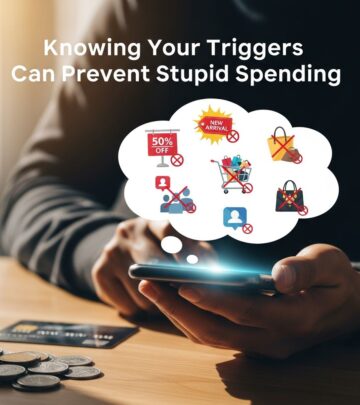
Spotting Personal Triggers for Better Awareness
Recognizing individual cues is foundational to change. Common provocations include social comparisons, limited-time offers, and algorithmic recommendations tailored to past behaviors. “Doom spending” emerges during widespread anxiety, where global events prompt retail therapy.
- Social influences: Desire to match peers’ lifestyles leads to excess.
- Marketing ploys: Scarcity tactics and upsells exploit urgency.
- Mood dips: Post-stress shopping for emotional uplift.
- Digital nudges: Personalized ads on apps trigger spontaneous adds-to-cart.
Cultural factors also vary; individualistic societies show higher impulsivity linked to poor budgeting. For Gen-Z on platforms like Instagram, aesthetics and discounts evoke positive emotions fueling buys.
Building a Bulletproof Budget Framework
A structured budget acts as the first defense, categorizing essentials versus discretionary funds. Allocate specific allowances for non-essentials, treating them as finite resources to ration mindfully.
Implement the 50/30/20 rule adaptation: 50% needs, 30% wants (with impulse sub-limits), 20% savings/debt. Track via apps that categorize spends in real-time, revealing patterns like weekend spikes.
Sample Monthly Budget Table for Impulse Control
| Category | Percentage | Example ($3,000 Income) |
|---|---|---|
| Essentials | 50% | $1,500 |
| Wants (Impulse Cap: 10%) | 20% | $600 ($300 max impulse) |
| Savings/Debt | 30% | $900 |
Practical Techniques to Pause and Reflect
Introduce friction to the buying process. The 24-48 hour rule mandates waiting before purchase, allowing emotions to subside and needs reassessment. Physical lists for shopping ensure adherence, crossing off only planned items.
Visualize costs: Convert purchases to time equivalents—e.g., a $50 gadget equals 5 hours at $10/hour wage—to underscore true value. Unsubscribe from promotional emails and delete shopping apps to minimize exposure.
- Use cash-only for discretionary outings to enforce tangible limits.
- Employ accountability partners for major buys.
- Practice mindfulness exercises to evaluate mental state pre-purchase.
Leveraging Technology for Financial Discipline
Apps transform management: Tools with spending alerts notify upon approaching limits, while virtual envelopes segregate funds. Browser extensions block impulse sites during vulnerable hours.
Automate savings transfers immediately post-paycheck, shrinking available balances for whims. Gamified trackers reward streak-based restraint, reinforcing positive behaviors.
Cultivating Long-Term Mindset Shifts
Beyond tactics, reframe money as a tool for goals like travel or security, not fleeting joy. Journaling post-purchase regrets builds aversion, while celebrating savings milestones sustains motivation.
Address root emotions through non-spending outlets: Exercise, hobbies, or therapy for anxiety. Maslow’s hierarchy illuminates how impulses fulfill esteem or belonging temporarily, urging pursuit of authentic satisfactions.
Overcoming Online Shopping Pitfalls
E-commerce thrives on impulse, with 30-50% of sales unplanned. Counter with guest checkouts sans saved details, and site blockers during sales. Review cart abandonments as wins, noting avoided costs.
Social media curbing: Mute shopping influencers, curate feeds for financial inspiration. Set device limits aligning with peak productivity, sidestepping evening scrolls.
Tracking Progress and Adjusting Strategies
Monthly audits compare actuals to budgets, adjusting triggers identified. Progress metrics: Reduced unplanned spends, higher savings rates. If slips occur, analyze without self-judgment, refining approaches.
Community support via finance forums fosters shared tips, normalizing the journey.
FAQs
What causes most impulse buys?
Emotional highs/lows, marketing, and environmental cues like clutter drive them, per studies.
How much do impulse purchases cost yearly?
Average U.S. consumers spend around $5,400 annually.
Can apps really stop impulse spending?
Yes, through alerts, tracking, and automation, they add necessary pauses.
Is impulse buying linked to mental health?
Indeed, it’s tied to anxiety and mood regulation needs.
What’s the best first step to quit?
Audit recent spends to spot patterns and set a strict budget.
Case Studies: Real Transformations
Consider Alex, a 28-year-old professional whose $200 monthly coffee habit vanished via a home-brew setup and tracking app, redirecting funds to an emergency fund. Similarly, Jordan curbed online splurges by implementing a 72-hour rule, saving $1,200 yearly.
These anecdotes underscore tactic efficacy when consistently applied.
References
- Understanding and Managing Impulse Spending — Edvisors. 2023. https://www.edvisors.com/blog/managing-impulse-spending/
- Impulse purchase — Wikipedia. 2023-10-15. https://en.wikipedia.org/wiki/Impulse_purchase
- The Role of Impulse in Consumer Psychology — Neuroscience Of. 2023-05-18. https://www.neuroscienceof.com/branding-blog/consumer-psychology-impulse-shopping-decision-making
- Understanding the Psychology of Impulse Buying in E-Commerce — Journal of Management Studies and Research. 2023. https://jmsr-online.com/article/understanding-the-psychology-of-impulse-buying-in-e-commerce-a-behavioral-review-314/
- What Motivates Impulse Buying? — Psychology Today. 2012-07-26. https://www.psychologytoday.com/us/blog/sold/201207/what-motivates-impulse-buying
Similar Articles








Read full bio of Sneha Tete