Mastering Home Square Footage Calculation
Unlock precise methods to measure your property's square footage for appraisals, sales, and renovations with expert techniques.
Accurately determining the square footage of a home is crucial for homeowners, buyers, sellers, and real estate professionals. This measurement influences property values, mortgage approvals, renovation planning, and material estimates for projects like flooring or painting. Whether you’re preparing to list your house or simply curious about its size, understanding how to measure effectively ensures reliable results.
Why Square Footage Matters in Real Estate
Square footage serves as a key metric in real estate transactions. Lenders and appraisers rely on it to assess loan amounts, while buyers use it to compare properties. Inaccurate measurements can lead to disputes or financial losses. For instance, even small discrepancies in larger homes can amount to hundreds of square feet, affecting valuations significantly.
Standardizing measurements also aids in compliance with industry guidelines, such as those from Fannie Mae, which emphasize precise calculations for residential properties.
Essential Tools for Precise Measurements
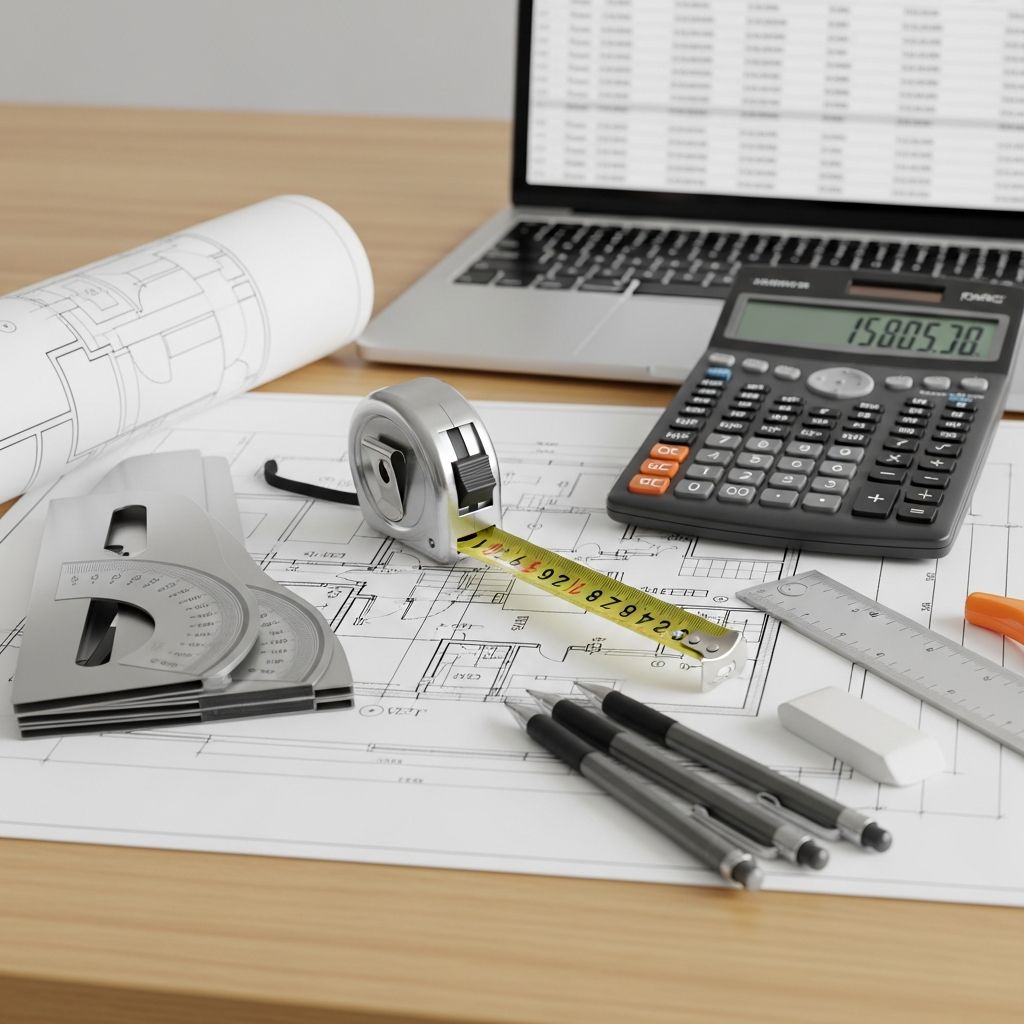
Before starting, gather the right equipment to streamline the process:
- Measuring tape or laser measurer: Laser tools offer speed and accuracy for distances up to hundreds of feet.
- Notebook and pencil: For sketching floor plans and noting dimensions.
- Calculator: To compute areas quickly, especially for complex shapes.
- Smartphone apps: Many use augmented reality for hands-free measurements.
Laser measurers reduce errors compared to traditional tapes, particularly in tight spaces.
Step-by-Step Guide to Measuring Rectangular Spaces
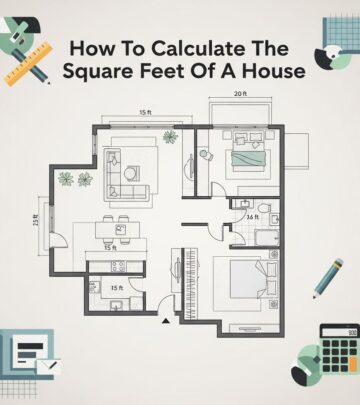
For straightforward rectangular rooms, the process is simple. Begin by sketching the floor plan, dividing the home into individual areas like living rooms, bedrooms, kitchens, and hallways.
- Measure the length and width of each space in feet, rounding to the nearest 0.5 foot for precision.
- Multiply length by width: Area = Length × Width.
- Example: A room 15 feet long by 12 feet wide equals 180 square feet (15 × 12 = 180).
- Sum all room areas for the total livable square footage.
Convert inches to feet first if needed (e.g., 6 inches = 0.5 feet).
| Room Type | Length (ft) | Width (ft) | Area (sq ft) |
|---|---|---|---|
| Living Room | 20 | 15 | 300 |
| Kitchen | 12 | 10 | 120 |
| Bedroom 1 | 14 | 12 | 168 |
| Total | 588 | ||
This table illustrates a basic single-story calculation.
Handling Irregular and Multi-Level Homes
Most homes aren’t perfect rectangles. Break L-shaped rooms or additions into smaller geometric sections, calculate each, then add them up.
For multi-story properties:
- Measure each floor separately.
- Include finished basements only if they meet livable standards (heated, plumbed, with ceilings).
- Exclude garages, unfinished attics, porches, and exterior stairs.
Draw detailed sketches with multiple rectangles for accuracy, avoiding guesswork on slanted walls.
Formulas for Common Geometric Shapes
Adapt measurements to various layouts using these proven formulas:
Square Areas
Area = Side Length². For a 10-foot square room: 10 × 10 = 100 sq ft.
Triangles
Area = ½ × Base × Height. Useful for triangular extensions.
Circles
Area = π × (Radius)², where π ≈ 3.1416. Measure diameter and halve it for radius.
Trapezoids
Area = [(Top Base + Bottom Base) / 2] × Height. Ideal for sloped room sections.
For walls minus windows/doors: Wall Area – Opening Area.
Advanced Techniques and Professional Standards
Follow ANSI standards for appraisals, measuring to the nearest inch or 0.1 foot, and report floor plans accordingly. Professionals may use laser devices or even estimate tricky spots, but consistency is key.
If available, consult builder plans for tract homes or condos to verify measurements.
Common Mistakes to Avoid
Steer clear of these pitfalls:
- Including non-livable spaces like garages or unfinished basements in totals.
- Forgetting to convert units properly.
- Overlooking hallways or closets.
- Not accounting for 10% waste in material estimates for flooring.
Practical Applications Beyond Sales
Square footage informs renovation budgets, energy efficiency calculations, and insurance premiums. For flooring, multiply total sq ft by material cost per sq ft, adding a buffer.
In property listings, disclose measurements transparently to build trust.
Digital Tools and Calculators
Online calculators simplify tasks: input dimensions for instant results across shapes, including cost estimates. Apps with camera integration make on-site measuring effortless.
Frequently Asked Questions
How do I measure if I don’t have blueprints?
Sketch and measure each room manually, summing areas as described.
Should I include the garage?
No, standard livable square footage excludes garages.
What’s the difference between appraisers’ measurements?
Varies by method—tape, laser, or estimation—leading to minor variances.
Can apps replace professional tools?
They assist but verify with manual checks for critical uses.
How precise should measurements be?
To the nearest 0.5 foot for rooms; 0.1 foot for professional reports.
Conclusion
Mastering square footage calculation empowers confident home management. Practice with simple rooms, then tackle complexities for spot-on results every time.
References
- How To Calculate The Square Feet Of A House — Bankrate. 2023-10-15. https://www.bankrate.com/real-estate/determine-square-footage-of-home/
- Square Footage Calculator — Calculator Soup. 2024-05-20. https://www.calculatorsoup.com/calculators/construction/square-footage-calculator.php
- How to Measure the Square Footage of a Home — Zillow. 2024-02-10. https://www.zillow.com/learn/how-to-measure-your-homes-square-footage/
- How to Calculate a Room’s Square Footage — Flooring America. 2023-11-05. https://www.flooringamerica.com/blog/calculating-square-footage
- How to Measure Square Footage for Residential Property — Stacy Grove. 2023-08-12. https://stacygrove.com/blog/how-to-measure-square-footage-for-residential-property/
- Standardizing Property Measuring Guidelines — Fannie Mae. 2023-06-01. https://singlefamily.fanniemae.com/media/30266/display
Similar Articles








Read full bio of medha deb