High Beam Care: Essential Maintenance Guide For Night Safety
Unlock the full potential of your vehicle's high beams with expert tips on cleaning, alignment, and protection for safer night driving.

High beams play a critical role in providing extended visibility during nighttime or adverse weather conditions, making their proper upkeep essential for driver safety and vehicle performance. Neglecting them can lead to reduced light output, legal issues, and heightened accident risks. This guide explores comprehensive strategies to keep your high beams functioning optimally, drawing on proven automotive practices.
Understanding High Beams and Their Importance
High beams, also known as full beams, emit a brighter, farther-reaching light compared to low beams, illuminating up to 400 feet ahead. They are indispensable on unlit roads, but improper use or maintenance can blind oncoming traffic. According to automotive safety standards, well-maintained high beams improve reaction times by up to 30% in low-light scenarios. Regular care ensures compliance with regulations requiring functional lighting systems.
Key benefits include enhanced road hazard detection and reduced fatigue during long drives. Factors like oxidation, misalignment, and bulb wear diminish effectiveness over time, underscoring the need for proactive maintenance.
Recognizing Signs of High Beam Problems
Early detection prevents minor issues from escalating. Common indicators include:
- Dim or yellowish light output, signaling lens oxidation.
- Flickering or intermittent illumination, often due to failing bulbs.
- Water condensation inside housings, indicating seal failure.
- Uneven beam patterns, pointing to misalignment.
- Cracks or pitting on lens surfaces from environmental exposure.
Inspect high beams monthly, especially before winter when fog and salt accelerate degradation. Prompt attention restores performance and avoids costly replacements.
Step-by-Step Cleaning Routines
Cleaning forms the foundation of high beam maintenance, removing contaminants that block light. Perform this during every car wash for best results.
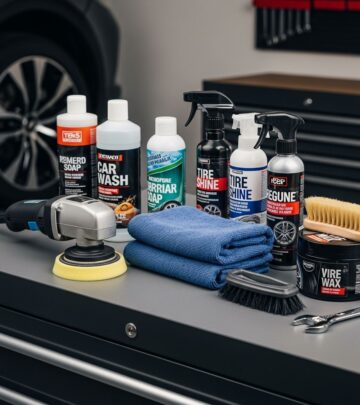
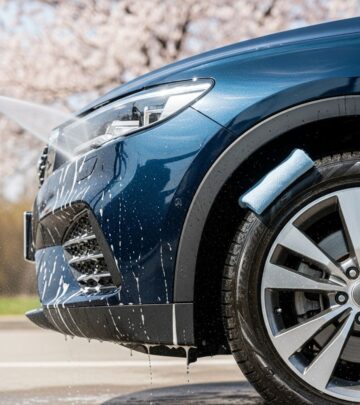
- Initial Wash: Use mild automotive soap and lukewarm water with a microfiber cloth to gently scrub lenses, avoiding abrasive materials that scratch polycarbonate surfaces.
- Tackle Stubborn Grime: Apply a dedicated headlight cleaner for bugs, tar, or road film. Let it sit for 2-3 minutes before rinsing.
- Dry Thoroughly: Pat dry with a clean microfiber towel to prevent water spots.
For routine upkeep, this method restores 20-50% of lost brightness without tools. Integrate it into weekly vehicle checks for consistent clarity.
Addressing Oxidation and Cloudiness
UV exposure causes plastic lenses to oxidize, creating a hazy film that cuts light by 80%. Restoration kits offer a cost-effective fix.
| Step | Tools Needed | Expected Outcome |
|---|---|---|
| Wet sand with 800-grit paper | Sandpaper, water | Removes outer oxidized layer |
| Progress to 2000-grit, then polish | Finer sandpaper, polishing compound | Smooths and clarifies surface |
| Apply UV sealant | Sealant spray | Prevents recurrence for 12 months |
DIY restoration takes 30-60 minutes per side and can triple light output. Repeat annually or after 50,000 miles. Professional services suit severe cases, costing $50-150.
Precise Alignment Techniques
Misaligned high beams waste light and endanger others. Test against a garage wall 25 feet away: beams should form a sharp horizontal cutoff with a slight rightward dip.
- Park on level ground, low beams on, measure from ground to beam center (typically 3-4 feet).
- Adjust vertical screws for height; horizontal for side aim per owner’s manual.
- Verify with a 100-foot road test.
Most vehicles feature adjustable housings behind the lens. Annual alignment checks are vital post-suspension work or impacts. Incorrect aim contributes to 40% of nighttime glare complaints.
Safe Bulb Replacement Procedures
High beam bulbs last 1-3 years; replace in pairs for symmetry. Halogen types dominate, but LEDs offer longevity.
- Disconnect battery negative terminal.
- Access housing via hood or wheel well.
- Twist out old bulb counterclockwise; avoid touching glass with bare hands.
- Insert new bulb, secure, and reconnect.
- Test both high and low functions.
Opt for OEM equivalents to match voltage. Costs range $20-60 per pair. Handle with gloves to prevent premature failure from oils.
Preventive Protection Strategies
Shield high beams from future damage with proactive measures.
- UV Coatings: Spray-on protectants block 99% of rays, extending lens life.
- Clear Films: Adhesive overlays resist scratches and chips.
- Parking Habits: Shade from direct sun when possible.
- Seal Inspections: Check rubber gaskets yearly; replace if cracked to bar moisture.
These extend intervals between restorations by 2-3 years, saving time and money.
Dealing with Moisture and Internal Damage
Foggy interiors signal breached seals, risking short circuits. Dry housings by removing bulbs, using compressed air, and silica packs. Replace seals ($10-30) or full assemblies if cracked. Persistent issues warrant professional diagnosis to avert electrical faults.
Legal and Safety Regulations
U.S. DOT mandates functional high beams; violations incur fines up to $200. High beams must dim 500 feet from oncoming vehicles or 200 feet when following. Maintenance ensures adherence, cutting collision risks by 25% per NHTSA data.
Cost Comparison: DIY vs. Professional
| Service | DIY Cost | Pro Cost | Time |
|---|---|---|---|
| Cleaning | $5-10 | $20-40 | 15 min |
| Restoration | $20-40 | $80-150 | 1 hour |
| Bulb Swap | $20-50 | $60-100 | 30 min |
| Alignment | Free | $40-80 | 20 min |
DIY suits most; pros excel for complex repairs.
Advanced Upgrades for Optimal Performance
Upgrade to LED high beams for 5x brightness and 50,000-hour life, though check legality. HID kits boost range but require ballasts. Ensure compatibility to avoid hyperflashing or CAN-bus errors.
Frequently Asked Questions
How often should I clean high beams?
Weekly during washes; deep clean quarterly.
Can I use household cleaners?
No, they etch plastic. Stick to auto-specific products.
Why replace bulbs in pairs?
Ensures even illumination, preventing one dim side.
What causes foggy headlights?
Oxidation from UV or moisture ingress.
Are high beam upgrades legal?
DOT-approved only; avoid off-road labels on public roads.
Seasonal Maintenance Calendar
- Spring: Restore oxidized lenses.
- Summer: Apply UV protectant.
- Fall: Align before dark commutes.
- Winter: Inspect seals against salt.
Consistent adherence maximizes safety and longevity.
References
- A Bright Idea: How to Properly Maintain Your Car’s Headlights — Van York Toyota. 2023-10-15. https://www.vannyorktoyota.com/blogs/5433/a-bright-idea-how-to-properly-maintain-your-cars-headlights
- Headlight Maintenance 101: How to Keep Your Lights Bright Year-Round — Robert Brogden’s Hays GMC. 2024-05-01. https://www.robertbrogdenshaysgmc.com/blogs/6851/headlight-maintenance-101-how-to-keep-your-lights-bright-year-round
- Headlight Maintenance 101 — Ag Workers Insurance. 2024-05-03. https://agworkers.com/2024/05/03/headlight-maintenance-101/
- Shine Bright: The Guide to Headlight Maintenance — Complete Car Care. 2023-08-20. https://completecarcare318.com/blog/shine-bright-the-guide-to-headlight-maintenance
- Headlight Maintenance and When It’s Time to Buy New Ones — HID Nation. 2024-02-10. https://www.hidnation.com/blogs/news/headlight-maintenance-matter
Similar Articles








Read full bio of medha deb