Mastering Fuel Efficiency: A Complete Strategy Guide
Comprehensive strategies to reduce fuel consumption and optimize spending habits
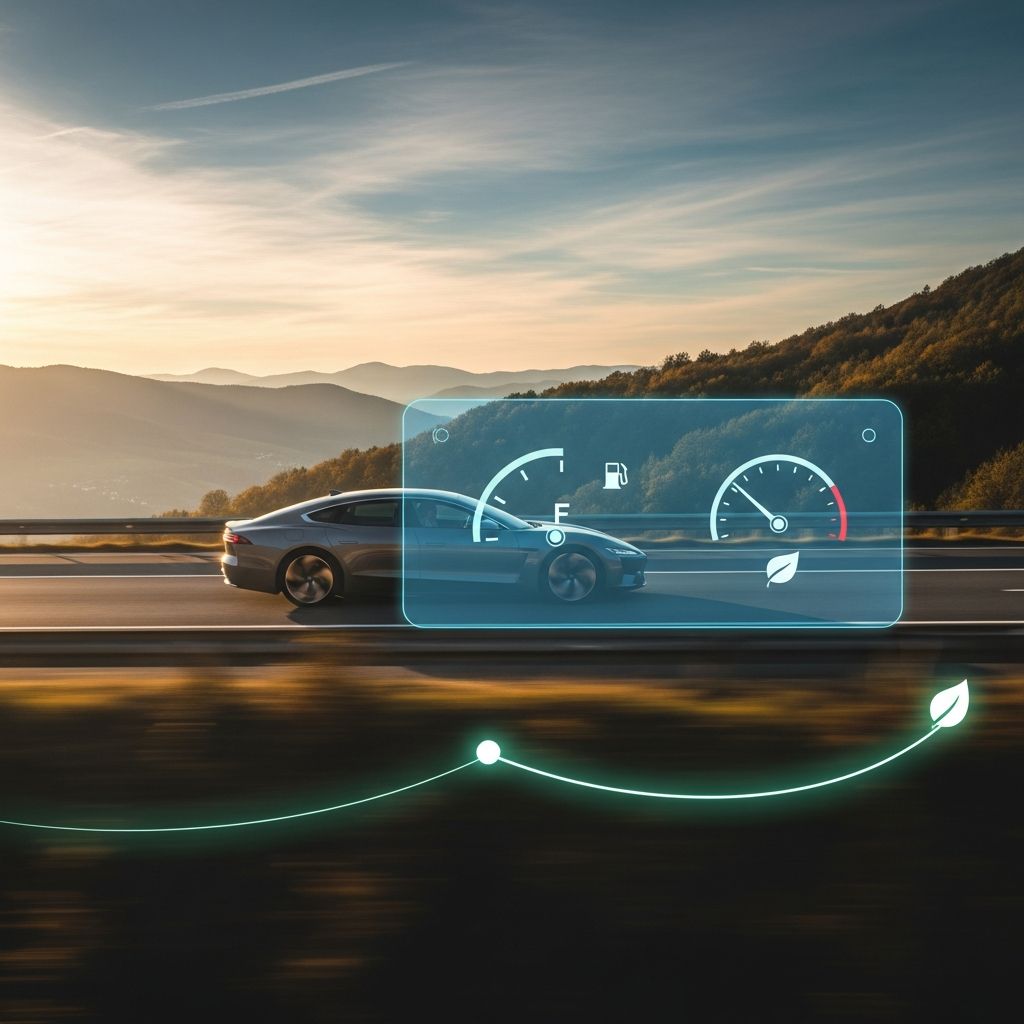
The rising cost of fuel represents a significant expense for most vehicle owners, consuming a substantial portion of monthly budgets and contributing to environmental concerns. Rather than focusing solely on finding the lowest gas prices at individual stations, a more effective approach involves implementing comprehensive strategies that address consumption patterns, vehicle maintenance, and driving habits. This guide explores evidence-based methods to meaningfully reduce fuel expenditures over time.
Understanding the True Cost of Fuel Consumption
Many drivers concentrate their efforts on identifying the cheapest gas stations in their area, sometimes driving considerable distances to save a few cents per gallon. However, this approach often produces counterproductive results, as the fuel consumed traveling to a cheaper station frequently negates any savings gained. The more impactful strategy involves reducing overall fuel consumption rather than optimizing the price paid per gallon.
For individuals who accumulate high mileage annually, the cumulative impact of fuel costs becomes particularly pronounced. High-mileage drivers often experience the most dramatic potential savings by addressing consumption patterns rather than pursuing marginal price reductions. Over a five-year vehicle ownership period, strategic consumption reduction can yield thousands of dollars in accumulated savings.
Behavioral Modifications That Impact Fuel Economy
Driver behavior represents one of the most significant factors influencing fuel consumption, with research indicating that aggressive driving patterns can increase fuel usage by up to 30%. The manner in which individuals operate their vehicles directly affects efficiency metrics and overall fuel expenses.
Adopting Smooth Acceleration Practices
Hard acceleration and rapid braking patterns waste considerable fuel. Vehicles that accelerate gradually and maintain steady speeds operate more efficiently than those subjected to sudden changes in velocity. This principle applies regardless of driving conditions, though the effects become more pronounced in stop-and-go urban traffic patterns.
Managing Highway Speed
Reducing highway speeds by modest amounts produces measurable fuel economy improvements. Higher velocities require the engine to work harder against air resistance, substantially increasing fuel consumption. Even minor speed reductions accumulate into significant savings over extended commuting periods.
Minimizing Idling Duration
Extended idling consumes fuel without producing forward progress. Diesel engines, commonly used in commercial applications, burn approximately one gallon per hour during idle periods. For personal vehicle owners, prolonged idling during school pickup lines, traffic delays, or parking situations contributes to unnecessary expenses that accumulate rapidly.
Trip Planning and Route Optimization
The frequency and structure of trips substantially influence total fuel consumption. Consolidating multiple errands into single trips reduces overall mileage and minimizes cold starts, which consume additional fuel when engines operate at suboptimal temperatures.
Combining Multiple Destinations
Planning errands sequentially rather than making separate trips dramatically reduces fuel usage. A single trip encompassing multiple destinations consumes significantly less fuel than several individual journeys covering the same total distance, as the engine operates more efficiently once it reaches proper operating temperature.
Utilizing Alternative Transportation Methods
Walking, cycling, or using public transit for short-distance journeys eliminates fuel consumption for those specific trips. Even periodic substitution of alternative transportation methods for routine short trips produces noticeable reductions in monthly fuel expenses. Carpooling arrangements, where individuals share commute responsibilities, distribute fuel costs among participants while reducing overall consumption.
Timing and Traffic Awareness
Planning trips to avoid high-traffic periods reduces fuel consumption by minimizing stop-and-go driving patterns. Routes traveled during lower-traffic times enable more consistent speeds and fewer acceleration events, improving overall efficiency.
Vehicle Maintenance Fundamentals
Proper vehicle maintenance directly impacts fuel efficiency. Several maintenance elements require regular attention to preserve optimal fuel economy performance.
Tire Pressure Management
Under-inflated tires increase rolling resistance and reduce fuel efficiency. Research indicates that tires inflated 10% below recommended pressures can reduce fuel economy by approximately 3%. Seasonal temperature fluctuations require periodic pressure checks, as cold weather naturally reduces tire pressure. Maintaining proper inflation represents one of the most straightforward efficiency improvements available to vehicle owners.
Air Filter Replacement
Dirty air filters restrict air flow to the engine, forcing it to work harder and consume more fuel. Regular air filter replacement as part of scheduled maintenance supports optimal engine performance and fuel efficiency.
Engine Condition and Sensor Function
Engine faults and faulty sensors gradually erode fuel efficiency without producing obvious warning signs. Preventive maintenance schedules that address potential issues before they become critical problems preserve fuel economy performance. Regular engine inspections identify developing problems that might otherwise accumulate into significant efficiency losses.
Weight Reduction and Aerodynamic Efficiency
Vehicle weight directly affects fuel consumption, particularly during acceleration and uphill driving. Unnecessary cargo and aftermarket additions increase overall vehicle mass, reducing efficiency metrics.
Eliminating Excess Cargo
Removing tools, equipment, or other items that serve no immediate purpose reduces vehicle weight and improves fuel economy. For individuals with multiple vehicles, selecting the most fuel-efficient model available for specific journeys ensures optimal efficiency for each trip.
Managing Aftermarket Additions
Roof racks, cargo carriers, and similar additions increase aerodynamic drag, particularly at highway speeds. Removing or minimizing use of these devices when not actively needed preserves fuel efficiency. Even empty roof racks create measurable drag that reduces fuel economy during highway driving.
Climate Control Optimization
Vehicle air conditioning systems require engine power to operate, increasing fuel consumption. At highway speeds, using air conditioning consumes more fuel than opening windows, contrary to common assumptions about aerodynamic efficiency. Managing climate control settings strategically reduces fuel demand on the engine.
Long-Term Investments in Fuel Reduction
While behavioral and maintenance adjustments provide immediate improvements, certain long-term decisions produce even more substantial fuel savings over extended periods.
Vehicle Selection and Fuel Efficiency Ratings
The vehicle purchased at replacement time establishes fuel and maintenance costs for subsequent years of ownership. Prioritizing fuel efficiency ratings during vehicle selection decisions influences expenses across the entire ownership period. Modern vehicles demonstrate varying efficiency ratings based on engine technology, transmission design, and vehicle weight.
Electric Vehicle Considerations
Electric vehicles eliminate gasoline consumption entirely, replacing it with electricity costs that typically represent a fraction of equivalent gasoline expenses. Studies indicate that drivers who charge daily at home can reduce annual fuel expenses by $800–$1,000 compared to traditional gasoline-powered vehicles. For high-mileage drivers with long commutes, the financial case for electric vehicle adoption becomes particularly compelling. The total cost of ownership comparison, including maintenance expenses eliminated through electrification, reveals substantial long-term savings potential. Used electric vehicles offer entry points with lower purchase prices while maintaining significant fuel cost advantages over conventional vehicles.
Technology and Data-Driven Fuel Management
Modern fleet management and personal vehicle monitoring systems provide real-time visibility into fuel consumption patterns. Telematics systems identify specific behaviors and conditions contributing to inefficiency, enabling targeted interventions. Data regarding idling duration, speed patterns, and acceleration events highlights opportunities for behavioral correction and coaching.
Frequently Asked Questions
What represents the most effective long-term fuel savings strategy?
Reducing overall fuel consumption produces substantially greater savings than optimizing the price paid per gallon. For individuals considering vehicle replacement, evaluating switching to electric vehicles can reveal savings of thousands of dollars annually when accounting for both fuel and maintenance costs.
How much can proper tire maintenance improve fuel efficiency?
Maintaining correct tire pressure prevents the 3% fuel economy reduction that occurs with 10% under-inflation. Regular pressure checks, particularly during seasonal temperature changes, preserve this efficiency gain.
What driving behaviors most significantly impact fuel consumption?
Aggressive acceleration, excessive speeding, and harsh braking can collectively increase fuel usage by up to 30%. Adopting smooth, gradual acceleration patterns and maintaining moderate speeds produces measurable efficiency improvements.
Can combining trips meaningfully reduce fuel expenses?
Yes, consolidating multiple errands into single trips eliminates separate cold starts and reduces overall mileage. The fuel savings from this practice accumulate rapidly, particularly for individuals making frequent short trips.
Creating a Personal Fuel Efficiency Action Plan
Implementing multiple strategies simultaneously produces compounding effects that exceed the impact of individual modifications. Beginning with behavioral adjustments requires no financial investment while establishing immediate savings. Adding maintenance improvements and trip consolidation strategies compounds these gains further. For individuals with high annual mileage, researching electric vehicle options and comparing total ownership costs provides a framework for the most impactful long-term decision.
The combination of behavioral discipline, consistent maintenance, strategic trip planning, and deliberate vehicle choices creates a comprehensive approach to fuel cost reduction that addresses consumption from multiple angles. Rather than pursuing marginal savings through price hunting, this multifaceted strategy generates substantial financial benefits while simultaneously reducing environmental impact and dependence on volatile fuel markets.
References
- 9 strategies to increase fleet fuel efficiency and lower fuel costs in 2026 — Australian Fleet Managers Association (AFMA). 2026. https://afma.org.au/9-strategies-to-increase-fleet-fuel-efficiency-and-lower-fuel-costs-in-2026/
- How to Reduce Fleet Fuel Costs by 20% in 2026 — FleetRabbit. 2026. https://fleetrabbit.com/article/how-reduce-fleet-fuel-costs-20-percent-2026
- Fuel Saving Tips — AAA Gas Prices. Accessed 2026. https://gasprices.aaa.com/news/fuel-saving-tips/
- Tired of Gasoline Prices? Here’s a Surprising Way to Save Money — Rocky Mountain Institute (RMI). 2026. https://rmi.org/tired-of-gasoline-prices-heres-a-surprising-way-to-save-money/
Similar Articles








Read full bio of medha deb