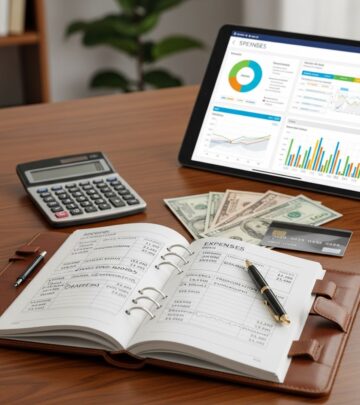
Mastering Expense Tracking for Financial Success
Unlock the power of precise expense monitoring to build lasting financial habits and achieve your money goals effortlessly.
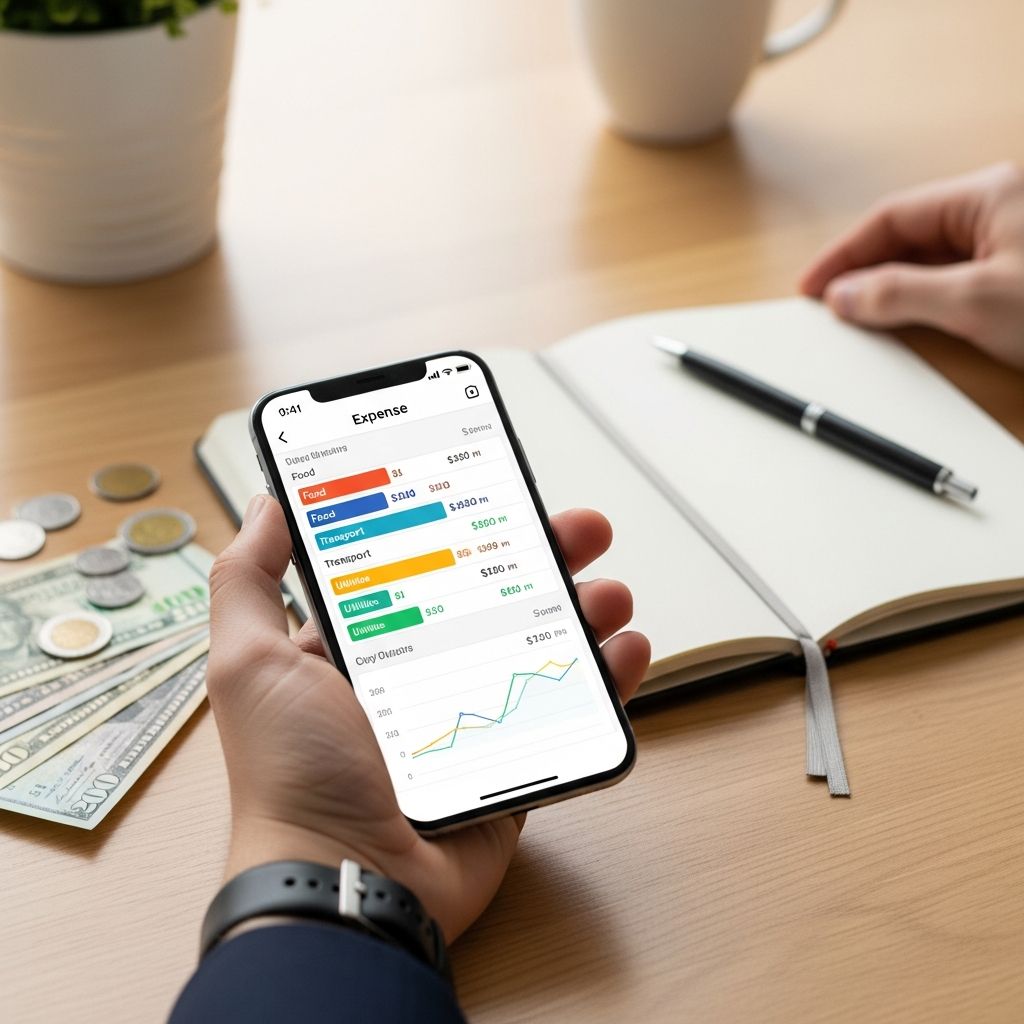
Tracking expenses forms the foundation of sound financial management, enabling individuals to gain clarity on their spending patterns and make informed decisions. By consistently monitoring outflows, people can identify wasteful habits, align expenditures with income, and progress toward long-term goals like debt reduction or wealth accumulation.
Why Expense Monitoring Drives Financial Stability
Understanding where money goes each month reveals hidden leaks that erode savings potential. For instance, small daily purchases often accumulate into significant sums, while overlooked subscriptions drain accounts unnoticed. Regular tracking fosters accountability, empowers budgeting adjustments, and supports goal-setting by quantifying progress. Studies from financial institutions highlight that those who track expenses save up to 20% more annually compared to non-trackers.
This practice also aids in preparing for emergencies, as it builds a realistic picture of cash flow. In an era of rising costs, proactive monitoring prevents lifestyle inflation and promotes disciplined habits that compound over time.
Essential Steps to Launch Your Tracking Routine
Begin by gathering all financial data sources, including bank statements, credit card bills, and receipts. Review the past three months to establish a baseline of average spending. Categorize transactions into essentials like housing and food, discretionary items such as entertainment, and irregular costs like insurance premiums. This initial audit uncovers patterns and sets the stage for ongoing vigilance.
- Collect statements from all accounts to capture a complete view.
- Sort expenses into fixed (rent, utilities) and variable (groceries, dining out) groups.
- Calculate totals per category to spot dominant spending areas.
Manual Techniques for Hands-On Spend Awareness
For those preferring tangible methods, a dedicated notebook offers simplicity and mindfulness. At day’s end, jot down every transaction with date, amount, merchant, and category. Weekly reviews help tally subtotals and reflect on choices, such as opting for home-cooked meals over takeout. This approach builds discipline without relying on technology, ideal for beginners seeking behavioral change.
Receipt collection complements this by providing proof for cash dealings. Snap photos or staple slips into the journal, ensuring nothing slips through. Over time, patterns emerge, like excessive coffee runs totaling hundreds monthly, prompting sustainable swaps.
Leveraging Spreadsheets for Customizable Analysis
Digital spreadsheets like Google Sheets or Microsoft Excel provide flexibility for detail-oriented users. Create columns for date, description, category, amount, and notes. Use formulas to auto-sum categories (e.g., =SUMIF(B:B,"Groceries",D:D)) and generate monthly charts visualizing trends. Templates available online accelerate setup, allowing filters for specific periods or vendors.
Advanced users can add pivot tables to compare months or forecast future spends. Cloud access ensures updates from phone or computer, syncing across devices for real-time accuracy. This method suits analytical minds craving data-driven insights without app subscriptions.
Automating with Modern Budgeting Applications
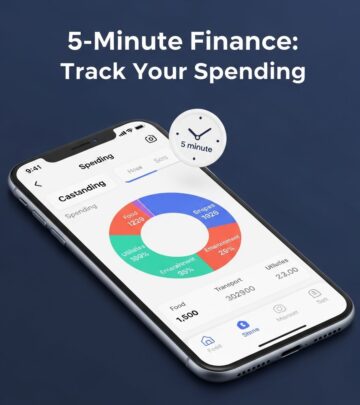
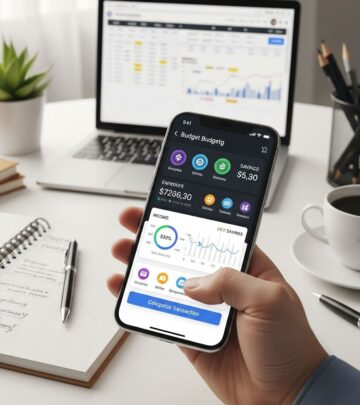
Expense apps revolutionize tracking by linking directly to bank and card accounts, importing transactions instantly. Tools categorize spends automatically, flag anomalies, and send overspend alerts. Popular options visualize data via pie charts and trends, simplifying reviews. Users report saving hours weekly while gaining predictive budgeting features.
| Method | Pros | Cons | Best For |
|---|---|---|---|
| Manual Notebook | Builds habits, no tech needed | Time-intensive, error-prone | Beginners, low-tech users |
| Spreadsheets | Customizable, free templates | Requires setup, manual entry | Data analysts |
| Budget Apps | Automated, insightful visuals | Privacy concerns, potential fees | Busy professionals |
Categorization Strategies to Uncover Spending Truths
Effective categorization sharpens focus on priorities. Common groups include housing (40-50% of income), transportation, food, utilities, debt payments, savings, and fun money. Subdivide food into groceries versus dining for nuance. Review bank tools that pre-categorize, then refine manually for precision. This reveals if entertainment crowds out savings.
Assign percentages based on proven frameworks like the 50/30/20 rule: 50% needs, 30% wants, 20% savings/debt. Adjust for personal circumstances, tracking variances monthly to refine allocations.
Integrating Bank Tools for Seamless Oversight
Many banks provide built-in dashboards downloading categorized statements with charts. These integrate natively, spotting forgotten recurrings like gym fees. Set monthly reviews to reconcile app data against statements, catching discrepancies early. Free and secure, they eliminate third-party risks.
Overcoming Common Tracking Hurdles
Forgetfulness plagues many; counter it with daily rituals like evening logs or app reminders. Cash users should photo receipts immediately. Irregular incomes benefit from averaging three months’ data. Consistency trumps perfection—start small, scale up. Motivation wanes? Link tracking to vivid goals, like a dream vacation fund.
- Set phone alarms for logging sessions.
- Pair tracking with rewarding routines, like tea time.
- Share progress with an accountability partner.
Analyzing Data to Fuel Savings Wins
Monthly deep dives compare actuals versus budgets, highlighting cuts like cable downgrades or bulk buying. Trends over quarters predict seasonal spikes, like holiday gifts. Aim to redirect 10% savings into high-yield accounts. Automation flags peaks, prompting questions: “Do I need this?”.
Advanced Tips for Long-Term Mastery
Zero-based budgeting assigns every dollar a job, forcing intentionality. Envelope systems digitally mimic cash limits per category. For businesses or complex portfolios, software like Quicken imports investments alongside spends. Quarterly audits ensure alignment with evolving goals.
Incorporate automation: auto-transfers to savings post-paycheck, bill pay setups. Digital receipts via apps prevent loss, with OCR scanning amounts instantly.
Frequently Asked Questions
How often should I review my expenses?
Daily logging with weekly tallies and monthly analyses keeps momentum without overwhelm.
Are free apps reliable for tracking?
Yes, many like those syncing banks offer robust free tiers with premium upgrades optional.
What if I miss a transaction?
Estimate and note it; accuracy improves with habit. Prioritize trends over perfection.
Can tracking help with debt payoff?
Absolutely—frees up cash by trimming non-essentials, accelerating principal payments.
Is it worth tracking small purchases?
Yes, they compound; a $5 daily habit equals $1,800 yearly.
Transform Insights into Actionable Budgets
With tracking data, craft budgets matching lifestyle. Allocate generously to needs first, then wants, ring-fencing savings. Revisit bi-annually amid life changes. This cycle turns awareness into control, paving paths to financial freedom.
References
- Expense Tracking for Beginners | Simple Tools to Take Control — Future Focused Wealth. 2024. https://www.futurefocusedwealth.com/blog/expense-tracking-beginners/
- Effective methods for keeping track of expenses — First Citizens Bank. 2023-10-15. https://www.firstcitizens.com/personal/insights/debt/keeping-track-of-expenses
- A Comprehensive Guide to Effective Expense Tracking — TENCU. 2024. https://www.tencu.com/about-us/tencu-chronicles/detail.html?title=the-ultimate-guide-to-tracking-monthly-expenses
- How to track monthly expenses: benefits, methods, and more — Indeed Flex. 2024. https://indeedflex.com/blog/for-flexers/how-to-track-expenses-complete-guide/
- How to Track Your Monthly Expenses: 8 Tips to Try — NerdWallet. 2025-01-20. https://www.nerdwallet.com/finance/learn/tracking-monthly-expenses
- Expense Management Best Practices: 15 Strategies to Cut Costs — Dokka. 2025. https://dokka.com/expense-management-best-practices/
Similar Articles








Read full bio of medha deb