Debt-To-Credit Ratio: 5 Proven Ways To Lower It
Unlock the secrets to a strong credit profile by understanding and optimizing your debt-to-credit ratio for better financial health.

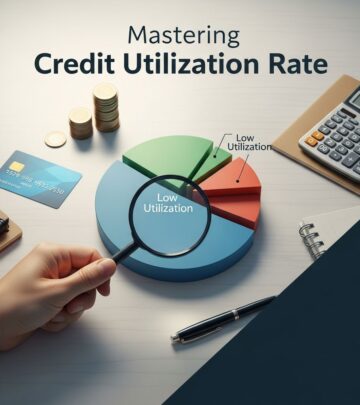
The debt-to-credit ratio, often referred to as credit utilization, measures the portion of your available credit that you’re currently using. This key metric significantly influences your credit score and lenders’ decisions on loan approvals and interest rates.
Defining Debt-to-Credit Ratio in Simple Terms
At its core, the debt-to-credit ratio compares your outstanding balances on revolving credit accounts, like credit cards, to your total credit limits. It reveals how much of your borrowing power is tapped at any moment, serving as a snapshot of your credit management habits. Unlike fixed loans such as mortgages, revolving credit allows ongoing borrowing up to a limit, making this ratio dynamic and responsive to your spending behavior.
Credit bureaus and scoring models, including FICO, weigh this ratio heavily—up to 30% of your overall score. A lower percentage signals responsible usage, while high utilization can raise red flags for potential overextension.
Why This Ratio Matters for Your Financial Future
Lenders scrutinize your debt-to-credit ratio to gauge risk. High ratios suggest reliance on credit, possibly leading to higher interest rates or denials. For instance, carrying balances near limits can portray you as a risky borrower, even with timely payments.
Beyond lending, this metric affects everything from rental applications to utility deposits. Maintaining a healthy ratio enhances your negotiating power for better terms on new credit products.
Step-by-Step Guide to Calculating Your Ratio
Computing your debt-to-credit ratio is straightforward and requires only your account details. Here’s how:
- Per Account: Divide the current balance by the credit limit. Example: $2,500 balance on a $5,000 limit yields 50% ($2,500 ÷ $5,000).
- Overall Ratio: Sum all balances and divide by total limits across accounts. For cards with limits of $1,000, $3,500, $5,000 and balances of $200 each, total debt is $600 against $9,500 limits—about 6.3% ($600 ÷ $9,500).
Check balances via online portals or statements, noting they fluctuate with payments and purchases.
| Card | Balance | Limit | Individual Ratio |
|---|---|---|---|
| Card A | $2,000 | $6,000 | 33.3% |
| Card B | $1,500 | $10,000 | 15% |
| Card C | $500 | $4,000 | 12.5% |
| Total | $4,000 | $20,000 | 20% |
This table illustrates aggregation for a comprehensive view.
Ideal Targets: What Counts as a Good Ratio?
Experts recommend keeping utilization under 30% for optimal scores, with under 10% being ideal. Even temporarily high ratios can ding scores, as reports pull from statement balances.
- Excellent: 0-10% – Boosts scores significantly.
- Good: 11-30% – Acceptable for most lenders.
- Fair/Poor: 31-50%+ – May hinder approvals.
- Critical: Over 50% – Signals distress, risking score drops.
These benchmarks stem from scoring model algorithms prioritizing low utilization.
Distinguishing Debt-to-Credit from Debt-to-Income Ratio
Don’t confuse debt-to-credit ratio with debt-to-income (DTI) ratio. The former focuses on credit usage versus limits; DTI divides monthly debt payments by gross income.
| Aspect | Debt-to-Credit Ratio | Debt-to-Income Ratio |
|---|---|---|
| Formula | Balances / Credit Limits | Monthly Debts / Monthly Income |
| Scope | Revolving credit only | All debts (mortgages, loans, etc.) |
| Used By | Credit scoring models | Mortgage/auto lenders |
| Ideal Range | <30% | <43% (mortgages) |
DTI example: $1,900 monthly debts on $4,000 income = 47.5%. Both metrics complement each other for holistic financial assessment.
Proven Strategies to Lower Your Ratio
Improving your ratio yields quick score gains. Key tactics include:
- Pay Down Balances: Target high-utilization cards first to free up limits swiftly.
- Request Limit Increases: Higher limits dilute usage if balances stay same—notify issuers of good payment history.
- Spread Charges: Distribute spending across cards for balanced utilization.
- Time Payments: Pay mid-cycle to lower reported balances.
- Avoid New Applications: Inquiries can temporarily raise utilization by adding debt without limits.
Track progress monthly via free credit reports from AnnualCreditReport.com or services like Experian.
Common Pitfalls and How to Avoid Them
Maxing cards before statements close inflates reported utilization. Closing old accounts shrinks total limits, spiking ratios. Always pay more than minimums to chip away at principal.
Over-reliance on balance transfers can backfire if not managed, as they count toward utilization until paid.
Long-Term Habits for Sustained Low Ratios
Build discipline with budgets allocating credit use under 20% of limits. Automate payments exceeding minimums. Review statements weekly to catch creep early.
Diversify credit mix judiciously, but prioritize utilization control. As income grows, accelerate debt reduction for compounding benefits.
Frequently Asked Questions (FAQs)
What exactly is debt-to-credit ratio?
It’s the percentage of your revolving credit limits currently in use, calculated as total balances divided by total limits.
How does it affect my credit score?
High ratios (over 30%) can lower scores by up to 100 points; aim low for boosts.
Does paying off cards monthly help?
Yes, zero balances report as 0% utilization, ideal for scores.
Is per-card or overall ratio more important?
Both matter, but scoring models emphasize overall while penalizing high individual ones.
Can closing a card improve my ratio?
Usually no—it reduces limits, potentially worsening utilization.
How often should I check my ratio?
Monthly, aligning with statement cycles and score updates.
Advanced Tips for Power Users
For those with multiple cards, authorized user status on low-balance accounts can pad totals. Use apps like Credit Karma for real-time monitoring. During high-spend seasons, pre-pay aggressively.
Negotiate retention offers for limit bumps without hard pulls. Understand scoring nuances: VantageScore vs. FICO may weigh slightly differently.
In summary, proactive ratio management unlocks credit potential. Consistent low utilization builds a robust profile, paving ways for favorable rates and approvals.
References
- Understanding Your Debt-to-Credit Ratio — Advance America. 2023. https://www.advanceamerica.net/money-saving-tips/credit/debt-to-credit-ratio
- What Is a Debt-To-Credit Ratio? — Chase Bank. 2024-01-15. https://www.chase.com/personal/credit-cards/education/credit-score/what-is-a-debt-to-credit-ratio
- Debt-to-Income Ratio (DTI): Why It’s Important and How to Calculate It — Navy Federal Credit Union. 2024. https://www.navyfederal.org/makingcents/credit-debt/debt-to-income-ratio.html
- Debt-to-income ratio (DTI): What is it and how is it calculated? — Rocket Mortgage. 2025-02-01. https://www.rocketmortgage.com/learn/debt-to-income-ratio
- What is Debt-to-Credit Ratio and Why Is It Important? — Experian. 2024-11-20. https://www.experian.com/blogs/ask-experian/what-is-debt-to-credit-ratio/
- What Is Debt to Credit Ratio and How to Calculate? — SmartAsset. 2023-10-10. https://smartasset.com/credit-cards/debt-to-credit-ratio
Similar Articles








Read full bio of medha deb