Mastering Credit Reports: Access and Corrections
Unlock the power of your credit reports: learn to access them effortlessly, spot errors, and file effective disputes to safeguard your financial future.

Your credit report is a vital financial document that lenders, landlords, and employers review to assess your reliability. Maintaining its accuracy ensures favorable terms on loans, rentals, and jobs. This guide provides comprehensive strategies for obtaining reports, detecting discrepancies, and initiating corrections.
Understanding the Role of Credit Reports in Your Finances
Credit reports compile data from creditors on your borrowing history, payment patterns, and debts. Three primary bureaus—Experian, Equifax, and TransUnion—maintain these independent files, which may vary slightly due to differing data sources. Federal law mandates free access to these reports, empowering consumers to verify and challenge inaccuracies.
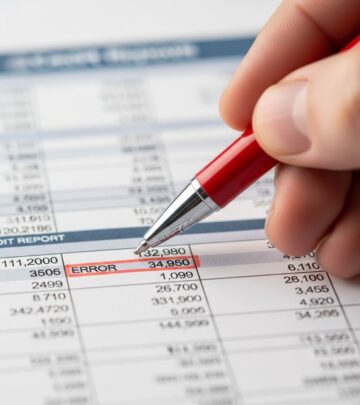
Errors like mistaken late payments or unrecognized accounts can lower scores unnecessarily, affecting interest rates or approvals. Regular reviews prevent such issues from persisting.
Step-by-Step Guide to Obtaining Your Free Credit Reports
Accessing reports is straightforward via official channels. By law, you qualify for free weekly reports from each bureau through a centralized service.
- Online Access: Visit AnnualCreditReport.com, the authorized federal site. Enter personal details like name, address, Social Security number, and birth date for identity verification. Receive digital reports instantly from all three bureaus.
- Phone Requests: Dial 1-877-322-8228. Undergo voice verification; reports arrive by mail within 15 days.
- Mail Option: Download the form from AnnualCreditReport.com, complete it, and send to P.O. Box 105281, Atlanta, GA 30348-5281. Expect mailed copies in 15 days.
Beyond annual entitlements, pandemic-era expansions allow weekly online pulls indefinitely, ideal for ongoing vigilance. Note: These reports exclude scores; seek those separately via bank apps or bureau services.
| Method | Speed | Best For |
|---|---|---|
| Online | Immediate | Frequent checks |
| Phone | 15 days | No internet access |
| 15 days | Printed records |
Key Sections to Scrutinize in Your Credit Report
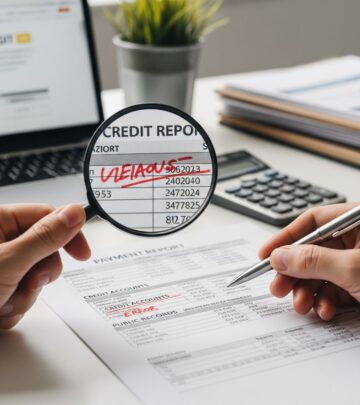
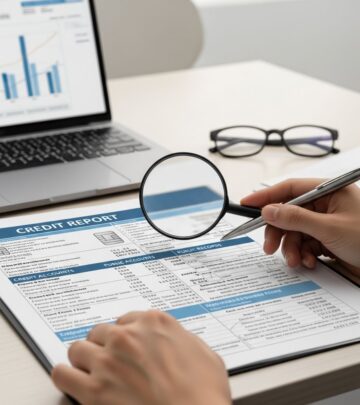
Reports feature structured sections; examine each meticulously against personal records and prior versions.
Personal Identification Details
Verify name spellings, aliases, current and past addresses, phone numbers, and employment history. Social Security number variations (partial for privacy) may signal typos or identity mix-ups. Discrepancies here can flag fraud.
Credit Account Summaries
Review all listed accounts—credit cards, mortgages, auto loans—for accuracy in balances, limits, status (open/closed), and payment records. Watch for unauthorized openings or misreported statuses. Delays in creditor updates often cause temporary mismatches.
Public Records and Collections
Check for bankruptcies, judgments, liens, or collection items. Ensure dates and amounts align with reality; outdated entries past legal time limits (typically 7-10 years) should be absent.
Inquiries and Hard Pulls
List recent credit checks by lenders. Multiple inquiries in short periods may indicate rate shopping but shouldn’t harm scores excessively. Unauthorized inquiries suggest fraud.
Cross-reference with bank statements and past reports. Tools like Experian’s ‘see what’s changed’ highlight updates and score impacts.
Spotting Red Flags That Demand Action
Common issues include late payments not reflecting on-time status, duplicate accounts, or fraudulently opened lines. Even minor errors compound; one study notes 20% of reports contain mistakes affecting scores. Compare bureau versions for inconsistencies.
- Incorrect personal data pointing to identity theft.
- Balances exceeding actual debts.
- Accounts listed post-closure without proper notation.
- Inquiries from unknown parties.
Navigating the Credit Dispute Process Effectively
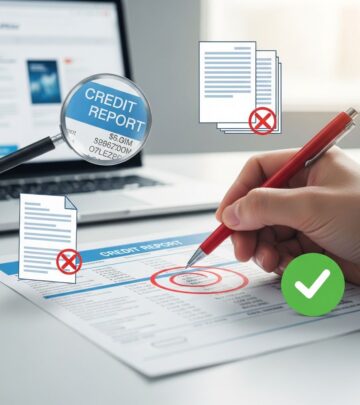
If inaccuracies appear, dispute promptly. Bureaus must investigate within 30 days, contacting furnishers for verification. Outcomes: correction, deletion, or confirmation.
Online Dispute Submission
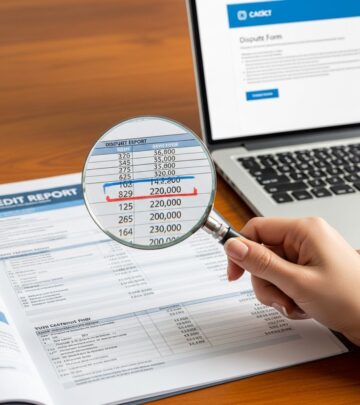
Most efficient method. For Experian, use their Dispute Center: select items, explain reasons, upload proofs like statements. Equifax and TransUnion offer similar portals. Track progress via account dashboards.
Alternative Dispute Channels
- Mail: Send certified letters with documentation to bureau addresses.
- Phone: Call to initiate, follow with written confirmation.
Include your name, contact info, disputed items (with account numbers), explanation, and evidence copies. Retain originals.
Expected Timeline and Investigation Outcomes
Expect results in 30 days, with updates via mail or online. Successful disputes yield amended reports; request free follow-ups. If verified accurate, add a 100-word statement of dispute for future viewers.
Unresolved? Escalate to the Consumer Financial Protection Bureau (CFPB) or consult legal aid.
Enhancing Vigilance with Credit Monitoring Services
Manual reviews suffice periodically, but monitoring alerts to changes instantly. Free options from Experian notify of key updates, enabling swift disputes. Paid services offer scores and deeper analytics.
- Bank/credit card portals for complimentary scores.
- Bureau accounts for daily reports and FICO insights.
Frequently Asked Questions (FAQs)
How often can I check my credit reports for free?
Weeksly online via AnnualCreditReport.com from each bureau.
Does checking my report affect my credit score?
No, self-checks (soft inquiries) do not impact scores.
What if a dispute is denied?
Add a statement to your file or file CFPB complaint.
Are credit scores included in free reports?
No; obtain separately from banks or services.
How do I prove an error?
Submit statements, payment confirmations, or ID docs.
Pro Tips for Long-Term Credit Health
Beyond disputes:
- Monitor monthly via apps.
- Pay balances fully, on time.
- Limit new applications.
- Freeze credit to prevent fraud.
Proactive management yields scores above 700, unlocking prime rates.
References
- How to Check Your Credit Report and File Disputes — Experian. 2023. https://www.experian.com/blogs/ask-experian/how-to-check-credit-report-and-file-disputes/
- Easily Check Your Credit Score Online with These Steps — Intuit. 2023. https://www.intuit.com/blog/innovative-thinking/financial-tips/check-credit-score/
- How Can I Check My Credit Scores? — Equifax. 2023. https://www.equifax.com/personal/education/credit/score/articles/-/learn/how-to-check-credit-score/
- How to Check Your Credit Score and Credit Report — Regions Bank. 2023. https://www.regions.com/insights/personal/article/checking-your-credit-score
- Getting Your Credit Reports — AnnualCreditReport.com. 2026. https://www.annualcreditreport.com/gettingReports.action
- Free Credit Reports — Federal Trade Commission (FTC). 2023. https://consumer.ftc.gov/articles/free-credit-reports
- How do I get a free copy of my credit reports? — Consumer Financial Protection Bureau (CFPB). 2023. https://www.consumerfinance.gov/ask-cfpb/how-do-i-get-a-free-copy-of-my-credit-reports-en-5/
Similar Articles








Read full bio of Sneha Tete