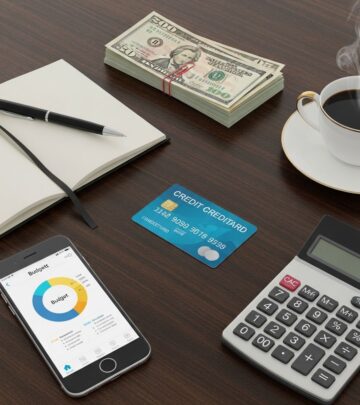
Mastering Credit Card Usage: Essential Tips For Smart Use
Unlock the full potential of credit cards with smart strategies for everyday spending, debt avoidance, and credit building.
Credit cards serve as powerful financial instruments that enable borrowing for purchases up to a predetermined limit, distinct from debit cards that draw directly from personal funds. Proper management ensures benefits like credit building and rewards accumulation without falling into debt traps.
Fundamentals of Credit Card Operations
When approved for a credit card, issuers assign a credit limit based on credit history, income, and debt levels, representing the maximum borrowable amount at any time. Purchases reduce available credit, while payments restore it, creating a revolving credit cycle. This mechanism allows repeated borrowing within the limit without new applications, provided balances are handled responsibly.
Key terms include the Annual Percentage Rate (APR), which dictates interest on unpaid balances, and billing cycles, typically monthly periods ending in a statement. Paying the full statement balance by the due date avoids interest, preserving financial flexibility.
Exploring Credit Card Varieties
Credit cards come in several forms tailored to different needs:
- Secured Cards: Require a deposit matching the credit limit, ideal for those building or repairing credit histories.
- Unsecured Cards: No deposit needed, offering higher limits based on creditworthiness.
- Rewards Cards: Provide points, miles, or cash back on spending, redeemable for travel or credits.
Choosing the right type aligns with financial goals, such as credit improvement or earning perks on routine expenses.
Decoding Your Monthly Credit Card Statement
Statements summarize billing cycle activity, crucial for monitoring finances. Essential sections include:
- Account summary with prior balance, payments, and fees.
- Transaction list detailing purchases and credits.
- Interest charges based on APR.
- Available credit and rewards earned.
Review statements promptly to spot errors or fraud. The statement balance is the total owed at cycle end; full payment sidesteps interest, while minimum payments leave a carrying balance subject to charges.
| Statement Section | Purpose |
|---|---|
| Account Summary | Tracks balance changes |
| Payment Info | Minimum due and date |
| Transactions | Itemized activity |
| Rewards | Earnings summary |
Optimal Strategies for Credit Card Spending
To leverage credit cards effectively, focus on disciplined habits. Limit usage to 30% of the credit limit, known as credit utilization, which influences 30% of credit scores. This demonstrates fiscal responsibility to lenders.
Use cards for planned necessities rather than impulsive wants, treating them as budgeting tools. Track all spending via apps for real-time insights, setting alerts for limits and due dates.
- Plan large purchases within budget to earn rewards without debt.
- Avoid exceeding limits to prevent fees and score damage.
- Employ cards for emergencies as short-term loans, repaying swiftly.
Payment Methods and Timing Essentials
Timely payments form 35% of credit scores, making them paramount. Options include:
- Automatic transfers from checking accounts.
- Online or app-based payments.
- Phone, mail, or in-branch submissions.
Prefer full balance payments monthly to eliminate interest. Minimum payments only cover interest and principal minimally, prolonging debt.
Building and Safeguarding Your Credit Score
Responsible use elevates credit scores over time. Consistent on-time payments and low utilization signal reliability. Avoid inactivity, as closed accounts shorten credit history.
Monitor reports regularly via free annual accesses, disputing inaccuracies. Diversify credit mix judiciously, balancing revolving and installment debts.
Maximizing Rewards and Perks
Rewards cards amplify value on everyday spending. Match cards to habits, like travel miles for frequent flyers. Redeem points optimally, understanding terms like expiration.
Additional benefits may include purchase protection, extended warranties, or travel insurance. Review agreements for fees like annual or foreign transaction charges.
Fraud Prevention and Security Measures
Protect accounts by scrutinizing statements for unauthorized charges, reporting issues immediately. Enable transaction alerts and use virtual card numbers for online buys. Shred documents and avoid sharing details.
Common Mistakes to Sidestep
Steer clear of:
- Treating cards as extra income, leading to overspending.
- Ignoring due dates, incurring late fees and score hits.
- Carrying balances, accruing high APR interest.
- Maxing limits, harming utilization ratios.
Budget integration prevents these pitfalls.
Advanced Tips for Seasoned Users
Request limit increases after consistent use to lower utilization. Balance transfer cards can consolidate debt at promotional rates. Pair cards for category-specific rewards, like groceries or gas.
Annual reviews ensure optimal card portfolios, canceling underused ones cautiously to preserve history.
Frequently Asked Questions
What happens if I miss a payment?
Late fees apply, and unpaid interest accrues. Scores drop significantly; contact issuers for hardship options.
Is it better to pay in full or minimum?
Full payment avoids interest entirely, ideal for credit health.
How does utilization affect my score?
High ratios (over 30%) signal risk; keep low for optimal scoring.
Can I use credit cards abroad?
Yes, but notify issuers and watch for foreign fees; opt for no-fee cards.
What if I spot fraud?
Report within 60 days for zero liability protection.
References
- How Credit Cards Work: A Beginner’s Guide — Navy Federal Credit Union. 2025. https://www.navyfederal.org/makingcents/credit-debt/credit-card-basics.html
- A beginner’s guide to credit cards — Commerce Bank. 2025-01-01. https://www.commercebank.com/personal/ideas-and-tips/2025/a-beginners-guide-to-credit-cards
- Credit Card Tips for Beginners — TD Bank. 2025. https://www.td.com/us/en/personal-banking/learning/credit-card-tips
- 7 Tips for Your First Credit Card — Bank of America Better Money Habits. 2025. https://bettermoneyhabits.bankofamerica.com/en/credit/first-credit-card
- Understanding Credit Cards — Yale University Financial Literacy. 2025. https://finlit.yale.edu/planning/understanding-credit-cards
- Spend Smart: How to Use a Credit Card the Right Way — Charles Schwab. 2025. https://www.schwab.com/learn/story/spend-smart-how-to-use-credit-card-right-way
- Credit Card Tips and Advice — Nationwide. 2025. https://www.nationwide.com/lc/resources/personal-finance/articles/guide-to-using-credit-card
Similar Articles








Read full bio of medha deb