Mastering Credit Card Payments: 2025 Expert Guide
Discover secure, convenient ways to pay your credit card bill on time and boost your financial health effortlessly.
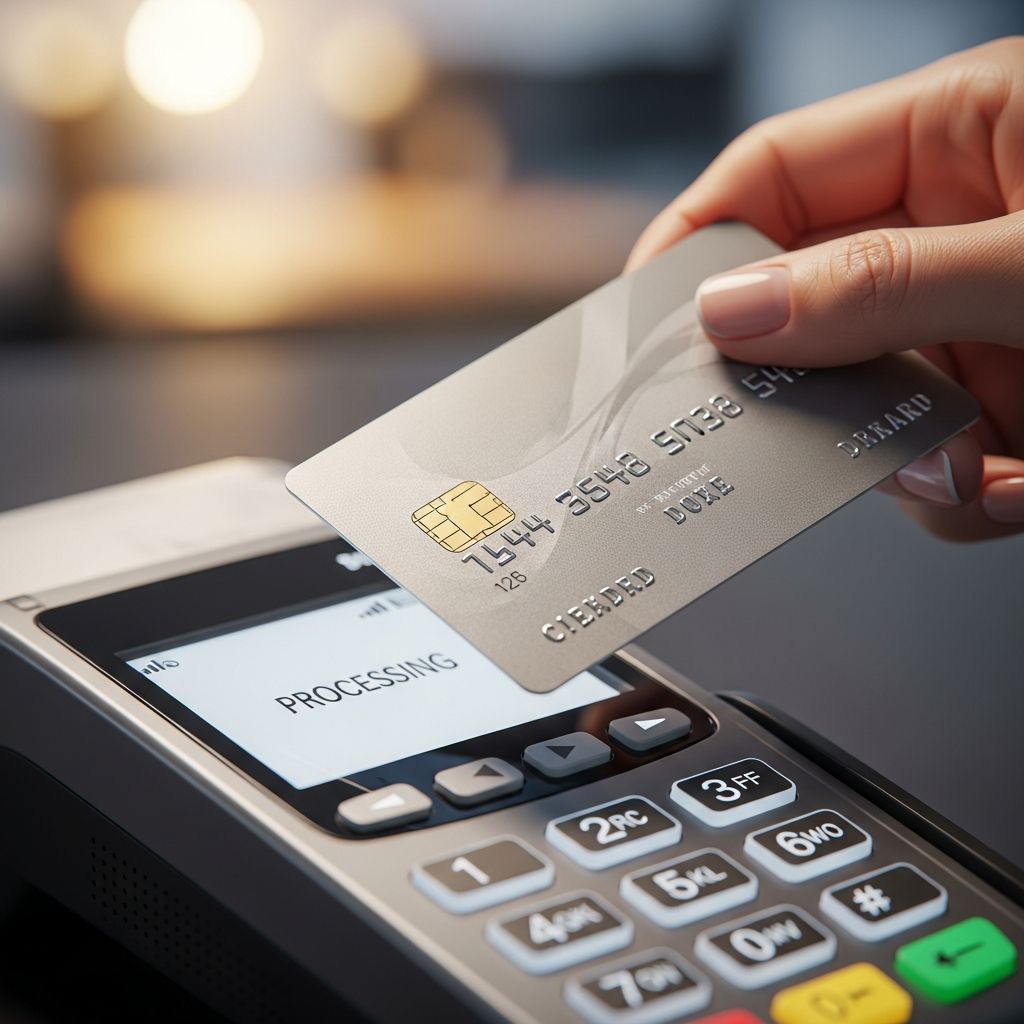
Paying your credit card bill promptly is essential for maintaining financial stability and a strong credit profile. With evolving payment technologies in 2025, consumers have more options than ever, from traditional online portals to cutting-edge digital solutions. This guide explores practical approaches to handle payments securely and efficiently, helping you avoid late fees and optimize your credit utilization.
Why Timely Payments Matter for Your Finances
Making on-time payments is the cornerstone of credit health. Payment history accounts for 35% of your FICO score, making consistency crucial. Late payments can trigger fees up to $40 and harm your score for up to seven years. By choosing reliable methods, you ensure funds post correctly and build positive habits.
In 2025, credit cards remain a dominant payment tool, comprising about 25% of global market share alongside debit options. Understanding available channels empowers you to select what fits your lifestyle, whether you’re tech-savvy or prefer simplicity.
Digital Payment Platforms: Fast and Convenient
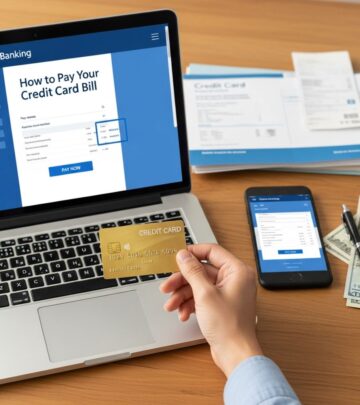
Online banking and mobile apps have revolutionized bill payments. Most issuers provide dedicated portals where you log in with your card details to initiate transfers. Link your bank account once, and schedule one-time or recurring payments effortlessly.
- Access 24/7 from any device for flexibility.
- Receive email confirmations for peace of mind.
- Track payment history to monitor spending patterns.
Popular processors like PayPal integrate seamlessly, allowing credit card funding without setup fees for low-volume users. They support multiple linked accounts, broadening your options.
Autopay: Set It and Forget It
Autopay automates payments, deducting the minimum, full balance, or custom amount each cycle. This eliminates oversight risks, with many banks offering it fee-free. Enable it through your issuer’s app or website by verifying your bank details.
| Autopay Type | Benefits | Potential Drawbacks |
|---|---|---|
| Minimum Payment | Avoids late fees | Interest accrues on balance |
| Full Balance | Zero interest carryover | Requires sufficient funds |
| Custom Amount | Tailored control | Manual adjustment needed |
Over 50% of users in North America leverage digital wallets linked to autopay, funding via credit cards for seamless execution.
Mobile Wallets and Apps for On-the-Go Payments
Digital wallets like Apple Pay, Google Pay, and PayPal lead 2025 trends with ~50% global share. Add your credit card, then pay bills directly where supported. These apps verify via biometrics, enhancing security over manual entry.
- Apple Pay and Google Pay dominate North America, processing over 50% of mobile transactions.
- PayPal holds 45% online payment share, ideal for bill-specific transfers.
- Instant confirmations reduce anxiety about posting times.
For merchants and consumers alike, these reduce abandonment with quick checkouts. Fees hover at 2-3%, comparable to cards.
Bank Transfers: Reliable and Low-Cost Alternative
Direct ACH or bank-to-bank transfers offer cost savings, especially for larger bills. Initiate from your bank’s app using the card’s account and routing numbers provided by your issuer. Processing takes 1-3 business days but incurs minimal or no fees.
FedNow in the U.S. enables instant transfers among thousands of banks, booming since 2023. In Canada, eTransfer handles billions annually for peer-to-peer and bills.
| Method | Speed | Typical Fees | Best For |
|---|---|---|---|
| ACH | 1-3 days | $0.20-$1.50 | Recurring bills |
| FedNow | Instant | Low | Urgent payments |
| eTransfer (Canada) | Minutes | Free/low | Small amounts |
Phone and Mail: Traditional Yet Secure Options
For those wary of digital methods, call customer service with payment details for immediate processing, often with a small fee. Mailing a check remains viable; send to the address on your statement, allowing 7-10 days for clearance. Track via certified mail to confirm delivery.
These suit low-tech users but risk delays, so plan ahead. Phone payments confirm instantly, providing reference numbers.
In-Person Payments at Branches or Retailers
Visit your issuing bank’s branch with cash, check, or debit to pay directly. Some credit unions and stores like Walmart MoneyCenters accept payments for major issuers, charging convenience fees around $3-$5.
- Ideal for cash users avoiding digital trails.
- Get receipts to dispute posting errors.
- Available during business hours only.
Third-Party Services: Broadening Your Choices
Platforms like Plastiq or Melio allow bill payments via credit card even if the issuer doesn’t accept it directly, converting to ACH. Fees apply (2-3%), but rewards can offset them for high-value bills. Ensure the service supports your card.
Processors like 2Checkout and Allied Wallet cater to global users, supporting 200 countries and multiple currencies.
Understanding Payment Posting Timelines
Payments post within 1-2 business days for electronic methods, longer for mail. Check your statement’s due date and pay 3 days early to buffer weekends/holidays. Use apps to view pending credits.
Global trends show cards declining slightly as wallets rise, but credit remains core, with 90% of North American wallet transactions card-funded.
Avoiding Fees and Penalties
Late fees average $30-$40; grace periods vary (21-25 days). Minimum payments prevent this but accrue interest at 15-30% APR. Pay in full to maximize rewards and avoid debt cycles.
Boosting Credit Through Smart Payments
Consistent full payments lower utilization below 30%, signaling responsibility. Multiple on-time reports enhance scores over time. Monitor via free weekly reports from official sources.
Regional Variations in Payment Preferences
North America favors cards/wallets (65% share). Europe mixes SEPA transfers and cards. Asia leads with mobile like Alipay. Tailor methods to your location for efficiency.
Security Best Practices for All Methods
- Use strong, unique passwords and enable two-factor authentication.
- Avoid public Wi-Fi for transactions.
- Verify URLs and app authenticity.
- Monitor statements monthly for fraud.
Wallets add biometrics, lowering disputes versus cards.
FAQs
What is the safest way to pay my credit card bill?
Autopay through your bank’s official app or portal is safest, with encryption and confirmations.
Can I pay with another credit card?
Some third-party services allow it, but check fees and issuer policies to avoid cash advances.
How long before the due date should I pay?
Initiate electronic payments 2-3 days prior; mail 7-10 days early.
Does paying early hurt my credit?
No, it helps by reducing utilization.
What if my payment doesn’t post on time?
Contact the issuer immediately with proof for fee waivers.
Choosing the Right Method for You
Assess fees, speed, and convenience. Tech users opt for wallets/autopay; others prefer phone/mail. Experiment to find your fit, prioritizing on-time delivery.
References
- What are the Most Popular Payment Methods in 2025? — Clearly Payments. 2025. https://www.clearlypayments.com/blog/what-are-the-most-popular-payment-methods-in-2025/
- A Comparison of Popular Credit Card Payment Processors — Allied Wallet. 2025. https://www.alliedwallet.com/blog/blog-posts/a-comparison-of-popular-credit-card-payment-processors/
- 8 Top Online Payment Methods: A Comprehensive Guide — Salesforce. 2025. https://www.salesforce.com/commerce/online-payment-solution/online-payment-methods/
- A Guide to Types of Payment Methods — Stripe. 2025. https://stripe.com/guides/payment-methods-guide
- Top Global Payment Methods and Trends 2025 — PaymentsCMI. 2025. https://paymentscmi.com/insights/top-global-payment-methods/
Similar Articles








Read full bio of medha deb