Credit Card Budgeting: A Practical Guide To Smart Spending
Unlock smarter spending habits by integrating credit cards into your financial plan without falling into debt traps.
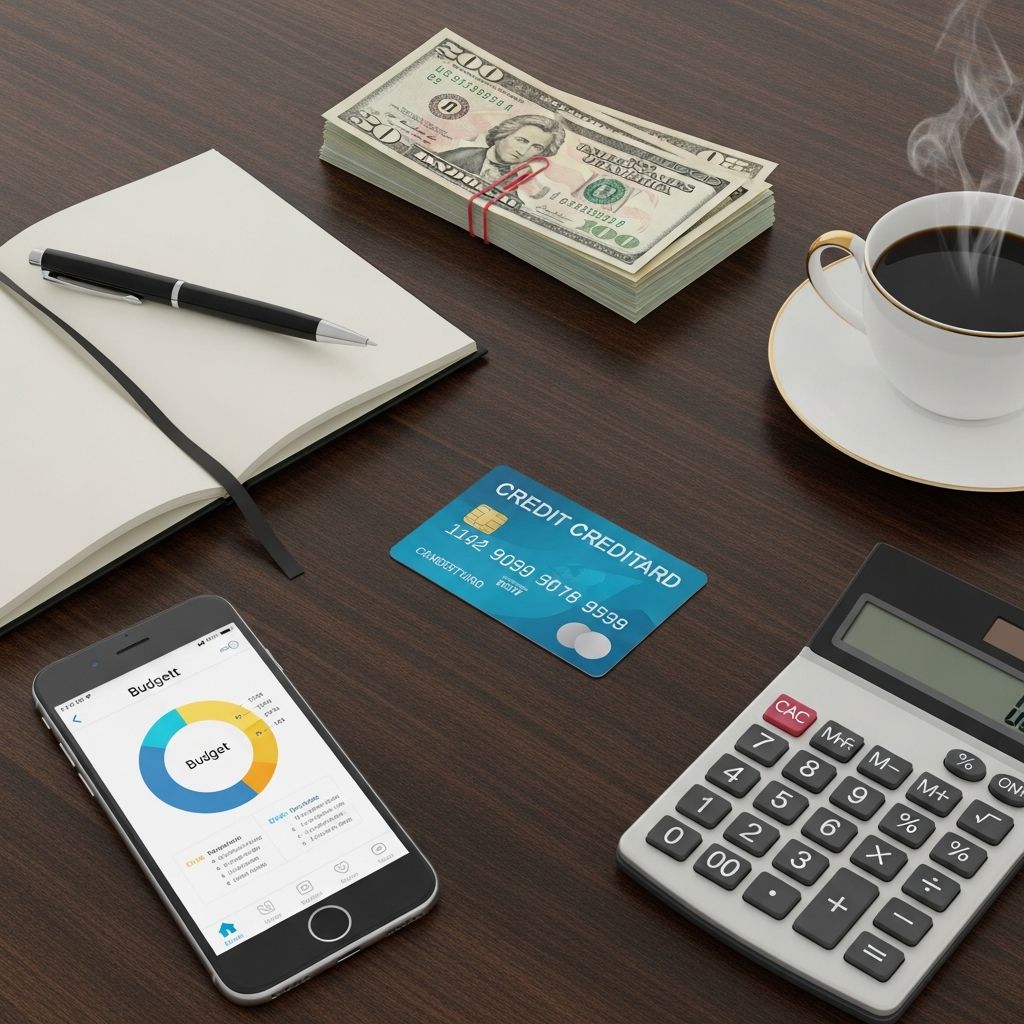
Integrating credit cards into your monthly budget can transform how you manage daily expenses, offering convenience, rewards, and detailed spending insights. When used wisely, credit cards become powerful tools for financial control rather than sources of stress. This comprehensive guide explores proven methods to align credit card usage with your overall financial goals, ensuring every purchase supports your long-term stability.
Understanding the Role of Credit Cards in Personal Finance
Credit cards provide a flexible payment method that links directly to your spending patterns. Unlike debit cards, which deduct funds immediately, credit cards allow purchases on credit, with the bill arriving later. This delay offers opportunities to earn rewards and track expenses through issuer-provided reports. However, success hinges on treating the credit limit as a personal spending cap, not free money. Financial experts emphasize paying balances in full each month to sidestep high interest rates, which can exceed 20% annually.
Key benefits include purchase protection, extended warranties, and categorized transaction data that simplifies budgeting. For instance, many issuers automatically sort spending into groceries, travel, or entertainment, giving you an instant overview without manual entry.
Assessing Your Financial Starting Point
Before diving into credit card-specific strategies, evaluate your income and habits. Calculate your net monthly income by reviewing paystubs or bank deposits, averaging over several months if variable. List all income sources, including side gigs or investments, to get a complete picture.
- Track historical spending: Download statements from the past three months and categorize transactions.
- Identify fixed vs. variable costs: Fixed items like rent remain constant; variables like dining fluctuate.
- Spot trends: Notice if entertainment spikes on weekends or if subscriptions quietly add up.
This baseline reveals overspending areas, setting the stage for targeted adjustments.
Choosing the Right Budgeting Framework
Select a system that fits your lifestyle. Popular options include:
| Method | Description | Best For |
|---|---|---|
| 50/30/20 Rule | 50% needs, 30% wants, 20% savings/debt | Beginners seeking simplicity |
| Zero-Based Budget | Assign every dollar a job until income minus expenses equals zero | Detail-oriented planners |
| Envelope System (Digital) | Allocate virtual ‘envelopes’ for categories | Cash-like control with cards |
Adapt these for credit cards by applying limits per category based on your card’s tracking features.
Implementing Spending Categories and Limits
Divide expenses into essentials and discretionary buckets. Essentials cover housing, utilities, groceries, and transport; discretionary includes hobbies and luxuries. Use your credit card app to monitor real-time totals.
- Review last month’s card statement for category breakdowns.
- Set monthly caps, e.g., $400 groceries, $150 dining.
- Adjust quarterly based on life changes like raises or inflation.
Pro tip: Align categories with card rewards, like extra points on groceries, to maximize value without exceeding budgets.
Leveraging Credit Card Tools for Real-Time Tracking
Modern credit card platforms offer robust features beyond basic statements. Log in weekly to view pie charts of spending by merchant or type. Set custom alerts for 80% category limits or approaching due dates. For example, apps notify when gas spending hits $200, prompting a pause.
Integrate with third-party tools like Mint or YNAB by linking accounts, automating categorization across cards and banks. This holistic view prevents siloed overspending.
Automating Payments to Build Discipline
Automation removes human error. Schedule full balance payments post-statement to avoid interest. Start with minimum autopay for safety, then upgrade to full balance once habits solidify.
- Sync payment dates with income deposits.
- Use multiple payments if cash flow varies mid-month.
- Enable alerts one day before due dates as backups.
This ensures on-time payments, boosting credit scores via payment history, which comprises 35% of FICO scores according to official models.
Optimizing Rewards Within Budget Constraints
Credit card rewards—cash back, points, miles—act as budgeting bonuses when earned on planned spends. Redeem quarterly to offset bills or fund goals. Avoid chasing sign-up bonuses that tempt overspending; stick to everyday categories matching your budget.
For families, designate one card for shared expenses, pooling rewards into a family travel fund.
Handling Irregular and Unexpected Expenses
Life brings surprises: car repairs, medical bills, gifts. Buffer with a 3-6 month emergency fund, ideally in a high-yield savings account. For planned irregularities like insurance premiums, divide annual costs by 12 and pre-allocate in your budget.
Use credit cards for these only if payoff is immediate, leveraging grace periods (typically 21-25 days interest-free).
Common Pitfalls and How to Avoid Them
Many falter by viewing credit as ‘extra’ money, accruing debt. Counter with the ‘pay from checking’ mindset: mentally deduct each swipe from your bank balance.
- Avoid minimum payments: They prolong debt with compounding interest.
- Watch for fee traps: Foreign transaction or cash advance fees erode budgets.
- Resist lifestyle inflation: Higher income shouldn’t mean proportionally higher spending.
Adjusting Your Budget Over Time
Review monthly: Compare actuals vs. plans, tweaking as needed. Annual audits account for raises, new goals, or economic shifts. Tools like spreadsheets evolve into dynamic dashboards with formulas for variances.
Advanced Strategies for Seasoned Users
Balance transfer cards consolidate debt at 0% intro APR, buying time for payoff. Multiple cards? Rotate per rewards category within total spend limits. Track via a central dashboard app.
For businesses or freelancers, business cards separate expenses, simplifying tax prep with categorized exports.
Frequently Asked Questions
Can credit cards help or hurt my budget?
Credit cards aid budgets through tracking and rewards if paid fully monthly; they harm via interest if balances carry over.
How often should I check my credit card spending?
Weekly reviews keep you aligned; daily for high-spend periods like holidays.
What if I exceed my budget on the card?
Pause non-essentials, redirect funds, and pay extra next cycle to recover.
Are budgeting apps necessary with credit card tools?
Not always; issuer apps suffice for many, but aggregators provide fuller pictures.
How do rewards fit into strict budgets?
Treat them as rebates: Budget the base spend, enjoy rewards as surplus.
Building Long-Term Financial Habits
Consistent credit card budgeting fosters discipline, improving credit utilization (under 30% ideal) and scores. Pair with savings automation for compound growth. Over time, this positions you for big goals like homeownership or retirement.
References
- Money Basics Guide to Budgeting and Savings — MyCreditUnion.gov (National Credit Union Administration). 2023. https://mycreditunion.gov/sites/default/static-files/money-basics-guide-budgeting-savings.pdf
- Budgeting Basics — Navy Federal Credit Union. 2025-01-15. https://www.navyfederal.org/makingcents/savings-budgeting/budgeting-basics.html
- How to Use Credit Cards to Manage Your Budget — NerdWallet. 2025-11-20. https://www.nerdwallet.com/credit-cards/learn/credit-cards-manage-budget
- Budgeting With a Credit Card: Guide to Spending Smarter — SoFi. 2025-09-10. https://www.sofi.com/learn/content/budget-with-a-credit-card/
- Tips For Credit Card Management in Your Monthly Budget — KEMBA Financial Group. 2024-06-05. https://www.kemba.org/resources/education/credit-card-budget
Similar Articles








Read full bio of medha deb