Mastering Credit Building After Your First Card
Unlock the secrets to transforming your initial credit card into a powerful tool for long-term financial success and stellar credit scores.

Securing your first credit card marks a pivotal moment in personal finance. It opens doors to establishing a solid credit history, which influences everything from loan approvals to rental applications. The key lies in strategic use: consistent habits that demonstrate reliability to credit bureaus like Equifax, Experian, and TransUnion. This guide outlines actionable steps to leverage that initial card effectively, drawing from established financial practices to elevate your credit profile over time.
Grasping the Foundations of Credit Scores
Before diving into tactics, understand what drives your credit score. Payment history weighs heaviest at 35%, followed by credit utilization (30%), length of credit history (15%), new credit (10%), and credit mix (10%). Your first card directly impacts the first two factors, forming the bedrock of your score.
Regular activity on the card signals to lenders your ability to handle revolving credit. Aim to build a track record that showcases discipline, as even minor missteps can linger for years. Monitoring these elements ensures you’re on the right path from day one.
Establishing Ironclad Payment Routines
On-time payments are non-negotiable. Set up automatic payments for at least the minimum due, covering the full balance ideally to sidestep interest. Late payments can drop your score by 100 points or more and remain on reports for seven years.
- Choose autopay for the statement balance to eliminate forgetfulness.
- Align payments with your billing cycle end date for optimal timing.
- Track due dates via apps or calendar alerts if manual oversight is preferred.
Credit bureaus update monthly, so consistent full payments compound positively. Over six months, this habit alone can raise scores significantly for newcomers.
Optimizing Credit Utilization for Maximum Impact
Credit utilization is the ratio of your balance to your limit—keep it under 30%, ideally below 10%. On a $500 limit card, charges should stay under $50 most months. High utilization mimics risk to lenders, even if paid off monthly.
| Utilization Range | Score Impact | Example ($1,000 Limit) |
|---|---|---|
| 0-10% | Excellent | $0-$100 balance |
| 10-30% | Good | $100-$300 balance |
| 30-50% | Fair | $300-$500 balance |
| 50%+ | Poor | $500+ balance |
Pay down balances mid-cycle if needed to report lower figures. Request limit increases after 6-12 months of solid use, but avoid if it tempts overspending.
Selecting the Ideal Starter Credit Options
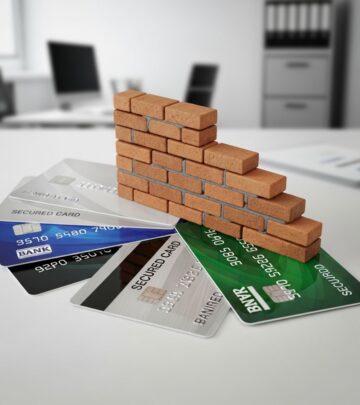
Not all first cards suit beginners equally. Secured cards, backed by your deposit, offer accessible entry points. Deposit $200-$500 to match your limit, making approval straightforward for those with no history.
- Secured Cards: Easier qualification; deposit recoverable after responsible use.
- Student Cards: Tailored for college attendees with lenient criteria.
- Retail Cards: Simpler approval for store loyalists, but higher rates.
Prioritize no-annual-fee options reporting to all three bureaus. Avoid prepaid cards—they don’t build credit. After building history, graduate to unsecured cards for better terms.
Leveraging Authorized User Status Wisely
Joining a trusted family member’s card as an authorized user piggybacks their positive history onto your report. Ensure the primary holder maintains low utilization and on-time payments, as their habits reflect on you.
Confirm the issuer reports authorized users to bureaus. This jumpstarts your score without personal risk, ideal alongside your own card. Limit to one or two to avoid over-reliance.
Incorporating Diverse Credit Experiences
While cards dominate early building, mix in other products later. Credit-builder loans hold funds in savings while you make payments, reporting positively without spending temptation.
These loans, offered by credit unions, build savings and history simultaneously over 6-24 months. Cosigned loans share responsibility but demand caution—primary borrower’s defaults hurt both.
Steering Clear of Common Beginner Traps
Avoid pitfalls that undermine progress:
- Multiple applications: Each hard inquiry dings your score; space them 6+ months apart.
- Maxing limits: Even temporary high balances harm utilization.
- Ignoring fees: Hidden annual or penalty rates erode gains.
- Closing old accounts: Shortens history length.
Focus on one card initially. Use tools like credit simulators to preview actions’ effects.
Tracking and Enhancing Your Progress
Regularly review free weekly reports from AnnualCreditReport.com. Dispute errors promptly—up to 25% contain mistakes boosting scores upon correction.
Many banks provide free score access. Track metrics monthly: payment history, utilization trends, new inquiries. After 6-12 months, expect 50-100 point gains with discipline.
Advancing to Premium Credit Opportunities
With 12+ months of strong history, pursue upgrades. Request unsecured card conversions from secured issuers, reclaiming deposits. Explore rewards cards, but maintain core habits.
Diversify cautiously: Add installment loans like auto or personal for mix benefits, never exceeding needs.
Long-Term Strategies for Credit Excellence
Sustain momentum by budgeting spends to 20% of income max. Build emergency funds to avoid debt reliance. Reassess annually, adjusting for life changes like jobs or moves.
Strong credit unlocks lower rates, saving thousands on mortgages or cars. View it as an asset demanding ongoing care.
Frequently Asked Questions
How long until my first card impacts my score?
Typically 3-6 months of activity for initial scoring, full effects after 6-12 months.
Does paying early help more than on-time?
On-time suffices; early payments aid utilization but don’t outweigh lateness penalties.
Can I build credit without a card?
Yes, via credit-builder loans, rent reporting, or utilities if enrolled with bureaus.
What if I have bad payment history already?
Secured cards and time (7 years) help rebuild; focus on positives going forward.
Is credit utilization calculated per card or total?
Both matter, but aggregate across revolving accounts is key.
References
- How to Establish Credit For The First Time — Wells Fargo. 2023. https://www.wellsfargo.com/goals-credit/smarter-credit/establish-credit/first-credit-account/
- What are some ways to start or rebuild a good credit history? — Consumer Financial Protection Bureau. 2024-01-15. https://www.consumerfinance.gov/ask-cfpb/what-are-some-ways-to-start-or-rebuild-a-good-credit-history-en-2155/
- How to Build Credit With a Starter Credit Card — Experian. 2024. https://www.experian.com/blogs/ask-experian/what-is-a-starter-credit-card-and-how-can-it-help-build-credit/
- The Best Ways to Build Credit With a Credit Card — Navy Federal Credit Union. 2023-11-20. https://www.navyfederal.org/makingcents/credit-debt/how-to-build-credit.html
- How to Start Building Credit With Little or No Credit History — Citi. 2024. https://www.citi.com/credit-cards/understanding-credit-cards/how-to-build-credit-with-no-credit-history
Similar Articles








Read full bio of medha deb