Mastering Consumer Credit Statements: Essential Guide
Unlock the power of your credit statements to build a stronger financial future with smart reading and strategic actions.

Consumer credit statements serve as vital documents in managing your financial health. These monthly summaries from credit card issuers detail transactions, balances, and payment requirements, offering insights into spending patterns and credit utilization. Understanding them empowers you to make informed decisions, avoid fees, and steadily improve your credit score.
Why Credit Statements Matter for Your Financial Journey
Credit statements are more than bills; they are roadmaps to fiscal responsibility. Regularly reviewing them helps track expenses, identify unauthorized charges, and ensure timely payments, which constitute 35% of your FICO score. According to the Consumer Financial Protection Bureau (CFPB), consistent monitoring can prevent identity theft and errors that drag down credit scores.
- Prevent Overcharges: Catch billing mistakes early to save money.
- Track Habits: Analyze spending to curb impulse buys.
- Boost Scores: On-time payments build positive history.
Financial experts emphasize that those who dissect their statements monthly tend to maintain lower debt levels and higher scores over time.
Decoding the Anatomy of a Typical Credit Statement
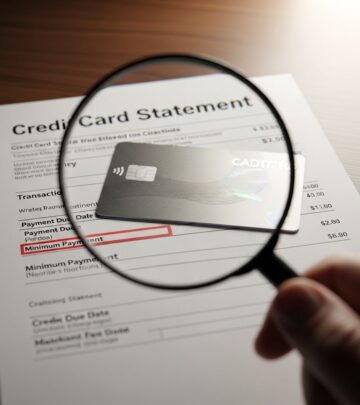
Each statement follows a standard layout, though designs vary by issuer. Key sections include account summary, transaction history, minimum payment due, and terms. Familiarity with these elements is crucial for effective management.
| Section | Purpose | Action Item |
|---|---|---|
| Account Summary | Shows current balance, available credit, and payment due date | Verify totals match your records |
| Transaction Details | Lists purchases, payments, and fees chronologically | Flag unfamiliar entries immediately |
| Minimum Payment | Calculates lowest required amount | Pay more to reduce interest accrual |
| Interest Charges | Details APR applied to balances | Aim to pay in full to avoid future charges |
Start by noting the statement closing date, which determines the billing cycle. This info helps align payments strategically.
Common Pitfalls in Credit Statements and How to Avoid Them
Misreading statements leads to late fees averaging $40 per incident and compounded interest. Common errors include overlooking promo APR expirations or miscalculating utilization ratios, which should stay under 30% for optimal scores.
- Assuming minimum payments suffice: They extend debt and inflate costs.
- Ignoring fee disclosures: Late, over-limit, or cash advance fees add up quickly.
- Missing reward credits: Ensure points or cashback post correctly.
To sidestep these, set calendar reminders for due dates and use apps that categorize transactions automatically.
Strategies to Leverage Statements for Credit Building
Transform statements into tools for growth by focusing on utilization and payment history. Experian notes that paying balances in full monthly demonstrates reliability to lenders.
- Pay Early and Often: Multiple payments reduce reported balances.
- Request Limit Increases: Higher limits lower utilization if spending stays constant.
- Pair with Credit Reports: Annualcreditreport.com provides free annual views to cross-check statement data.
For newcomers, secured cards report activity similarly, aiding those with thin files. Consistency over 6-12 months can yield 50+ point gains.
Disputing Errors: Your Rights and Steps
Federal law under the Fair Credit Billing Act grants 60 days to dispute inaccuracies. CFPB guidelines outline a simple process: notify the issuer in writing within this window, then follow up if unresolved after 30 days.
Step-by-Step Dispute Process:
- Review statement and gather proof (receipts, logs).
- Send certified letter detailing the error.
- Monitor for investigation results; bureaus must resolve in 30 days.
Success rates exceed 80% for valid claims, potentially removing negative marks and boosting scores.
Integrating Statements with Broader Credit Monitoring
Statements complement free weekly reports from Equifax, Experian, and TransUnion via official sites. Track how statement activity reflects in VantageScore or FICO models, which weigh recent data heavily.
Tools like credit-builder loans, as described by Experian, hold funds in savings while reporting payments, mimicking statement benefits without spending risk.
Advanced Tips for Long-Term Credit Optimization
Beyond basics, diversify accounts: mix revolving (cards) with installment (loans) for balanced profiles. Intuit suggests authorized user status on trusted accounts jumpstarts histories safely.
- Use 1-10% of limits for purchases to show activity without risk.
- Freeze credit to prevent fraud impacting statements.
- Review annually for old accounts affecting age factors (15% of score).
Frequently Asked Questions (FAQs)
What if I spot fraud on my statement?
Contact issuer immediately; liability caps at $50 for cards if reported promptly.
Does paying more than minimum help my score?
Yes, it lowers utilization and builds positive history faster.
How often should I check statements?
Monthly upon receipt, plus weekly online for real-time updates.
Can statements affect my score directly?
Indirectly, via reported data to bureaus; accuracy ensures positive impact.
Are digital statements sufficient?
Yes, but download PDFs for records; enable alerts for due dates.
Real-Life Success Stories
Many start from scratch: a young professional used secured cards, paying via statements meticulously, reaching 700+ FICO in 18 months. Another disputed errors, erasing 100-point drops.
Patience and diligence pay off; average new users see improvements within quarters.
References
- What are some ways to start or rebuild a good credit history? — Consumer Financial Protection Bureau. 2023-01-15. https://www.consumerfinance.gov/ask-cfpb/what-are-some-ways-to-start-or-rebuild-a-good-credit-history-en-2155/
- How to Build Credit: A Comprehensive Guide — Experian. 2024-05-20. https://www.experian.com/blogs/ask-experian/credit-education/improving-credit/building-credit/
- How to Build Your Credit Successfully — Intuit Blog. 2023-11-10. https://www.intuit.com/blog/innovative-thinking/financial-tips/build-credit/
- How to Build Credit from Scratch: 4 Things to Know — Global Credit Union. 2024-02-14. https://www.globalcu.org/learn/credit/how-to-build-credit/
- How To Build Credit as a First-Timer — Fidelity Bank. 2023-09-05. https://www.fidelitybankonline.com/how-to-build-credit-a-guide-for-beginners/
Similar Articles








Read full bio of medha deb