Checking Account Management: Essential Guide For Smart Banking
Unlock expert strategies to effectively manage your checking accounts, dodge fees, enhance security, and boost your financial wellness today.
Mastering Checking Account Management
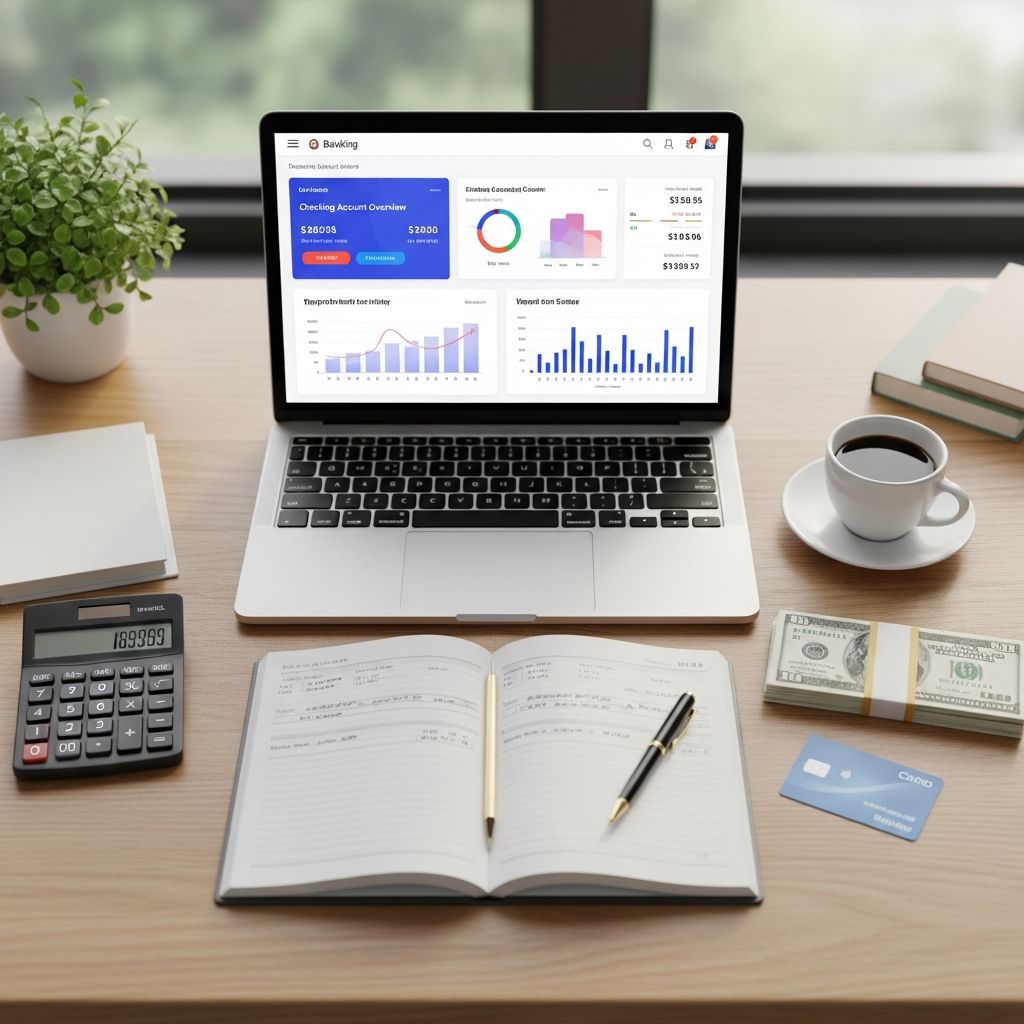
Effective management of your checking account is foundational to financial stability. It involves regular oversight, strategic automation, and proactive measures to minimize costs while maximizing utility. This comprehensive guide explores key practices drawn from reliable financial resources to help you take full control.
Understanding the Fundamentals of Checking Accounts
Checking accounts serve as primary hubs for daily transactions, including bill payments, purchases, and direct deposits. Unlike savings accounts, they typically offer check-writing capabilities, debit cards, and immediate access to funds without withdrawal limits. Recognizing these features helps users align account usage with personal needs, such as separating everyday spending from business expenses.
To start strong, evaluate your banking options. Opt for accounts with no monthly fees through direct deposit setups or minimum balance maintenance. Federal guidelines from the Consumer Financial Protection Bureau emphasize choosing accounts that fit your spending patterns to avoid unnecessary charges.
Daily Monitoring: The Cornerstone of Account Health
Consistent balance checks prevent overdrafts and support budgeting. Access your balance via mobile apps, online portals, or ATMs multiple times weekly. This habit reveals pending transactions that might otherwise lead to fees exceeding $25 per incident.
- Frequency matters: Review twice weekly or after major transactions.
- Tools to use: Bank apps provide real-time updates and transaction histories.
- Benefits: Early detection of discrepancies aids fraud prevention and expense tracking.
Reconcile statements monthly by comparing bank records against personal logs. This practice, recommended by banking experts, ensures accuracy and catches errors promptly.
Automating for Effortless Efficiency
Automation transforms manual processes into seamless operations. Set up direct deposits for paychecks to receive funds faster, bypassing check-cashing delays and fees.
Online bill pay services withdraw funds electronically on scheduled dates, reducing late payment risks. Pair this with recurring transfers to savings accounts—allocate 10-20% of income automatically to build reserves without temptation.
| Automation Type | Key Advantage | Potential Savings |
|---|---|---|
| Direct Deposit | Faster access to funds | Avoids $5-10 check-cashing fees |
| Bill Pay | On-time payments | Prevents $30+ late fees |
| Savings Transfers | Forced savings | Compounds interest over time |
Strategies to Eliminate Hidden Fees
Fees erode balances quickly; proactive steps keep them at bay. Maintain minimum balances as per bank policies—often $500-$1,500 waives monthly charges. Linked accounts can aggregate balances for fee waivers across multiple holdings.
Avoid out-of-network ATMs by locating in-network machines via apps. Switch to no-overdraft accounts if frequent shortfalls occur, as advised by consumer protection resources.
- Opt for fee-free accounts with direct deposit.
- Monitor for maintenance, overdraft, and ATM fees quarterly.
- Consolidate redundant accounts to streamline oversight.
Enhancing Security and Fraud Prevention
Protecting your account demands vigilance. Enable transaction alerts for low balances, large withdrawals, or unusual activity via email or text.
Regularly scrutinize statements for unfamiliar charges; report issues within 60 days per federal rules. Use debit cards judiciously for purchases, preferring them over checks to minimize fraud exposure.
Implement overdraft protection by linking to a savings account or credit line, though evaluate costs carefully. Multi-factor authentication on banking apps adds robust defense layers.
Optimizing Multiple Checking Accounts
Holding several accounts suits diverse needs, like personal vs. joint or budgeting envelopes. Assign clear purposes: one for bills, another for discretionary spending.
Centralize oversight with budgeting apps linking all accounts for unified views. Avoid redundancies in features like ATM reimbursements to prevent overlap. Periodically assess if consolidation simplifies management without sacrificing utility.
Leveraging Account Perks for Maximum Value
Modern checking accounts offer perks beyond basics. Seek cash-back debit rewards, identity theft coverage, or early direct deposit. High-yield options, though rare for pure checking, blend liquidity with modest interest.
Mobile wallets and Zelle transfers facilitate peer-to-peer payments fee-free. Explore these to enhance everyday utility while aligning with spending habits.
Building Long-Term Financial Habits
Integrate checking management into broader goals. Track spending categories to refine budgets, using apps for visualizations. Pair with savings automation for emergency funds covering 3-6 months’ expenses.
Annual reviews of account terms ensure competitiveness, especially with rising rates. Consult bank advisors for tailored optimizations.
Frequently Asked Questions
What is the best way to avoid overdraft fees?
Opt for no-overdraft accounts, enable alerts, and monitor balances frequently. Decline overdraft coverage during transactions.
How often should I check my account?
At least twice weekly, plus after significant activities, to stay ahead of issues.
Can I have multiple checking accounts?
Yes, for organization, but monitor all actively to avoid fees.
What if I spot fraudulent activity?
Report immediately to your bank; federal law limits liability if addressed promptly.
Are checking accounts FDIC insured?
Yes, up to $250,000 per depositor per bank, providing deposit safety.
Advanced Tips for Power Users
For those with complex finances, integrate APIs from budgeting platforms like Mint or YNAB. Set balance thresholds triggering auto-transfers. Business owners should segregate accounts strictly for tax compliance.
Explore fintech hybrids offering checking with investment features, but verify FDIC status. Quarterly audits prevent drift from goals.
References
- Best Practices for Managing Multiple Checking Accounts — Republic Bank. 2023-05-15. https://republicebank.com/best-practices-for-managing-multiple-checking-accounts/
- 7 Tips on Managing a Checking Account — SoFi. 2024-08-20. https://www.sofi.com/learn/content/tips-for-managing-a-checking-account/
- Best Practices for Managing Your Checking Account — Greater Alliance Credit Union. 2023-11-10. https://www.greateralliance.org/managing-a-checking-account/
- Effective Ways to Optimize Your Savings and Checking Accounts — Ascend Bank. 2024-02-28. https://ascend.bank/news/how-to-optimize-your-savings-and-checking-accounts/
- Consumer Guide to Managing Your Checking Account — Consumer Financial Protection Bureau. 2016-02-01. https://files.consumerfinance.gov/f/201602_cfpb_consumer-guide-to-managing-your-checking-account.pdf
- Personal Banking Tips: Five Ways to Use Your Checking Account — UMB Bank. 2023-07-12. https://blog.umb.com/personal-banking-tips-five-ways-to-use-your-checking-account/
Similar Articles




Read full bio of medha deb