How To Write A Check: 6 Essential Steps For Accurate Payments
Learn the essential steps to write checks correctly and securely.
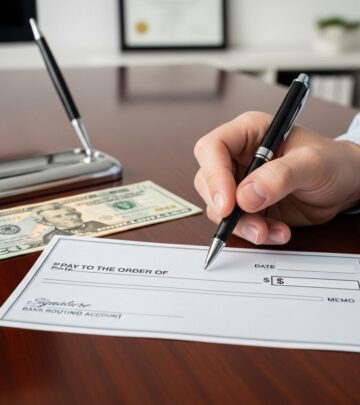
Despite the prevalence of digital payments, checks remain a vital financial tool for many individuals and businesses. Whether you’re paying bills, making charitable donations, or conducting business transactions, knowing how to write a check correctly is an essential skill. This comprehensive guide will walk you through every aspect of check writing, from the basic mechanics to advanced security considerations.
Understanding the Basics of Check Writing
A check is a written order directing your bank to pay a specific amount of money from your account to a designated recipient. Each check serves as an official financial document that contains critical information your financial institution needs to process the transaction correctly. Before you begin writing a check, ensure you have an active checking account with sufficient funds to cover the amount you intend to write.
The fundamental principle behind check writing is accuracy and clarity. Banks process thousands of checks daily, and any ambiguity or inconsistency can result in delays, rejection, or processing errors. Understanding the proper way to complete each field on your check prevents these complications and protects both you and the recipient.
The Six Essential Components of a Complete Check
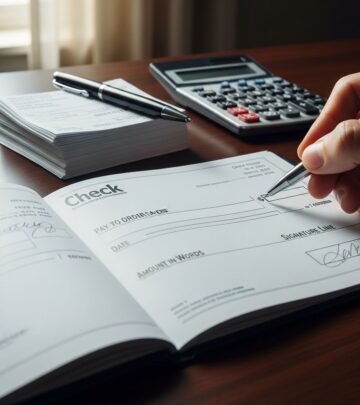
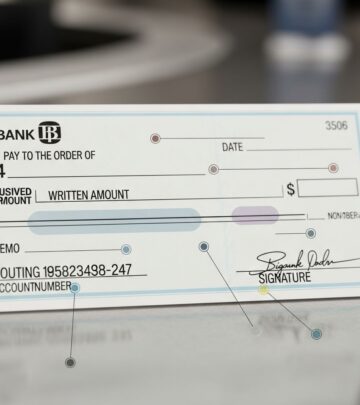
A properly written check contains six key elements that work together to create a complete financial instruction. Each component serves a specific purpose in the processing and verification of your payment.
1. Establishing the Transaction Date
The date field appears in the upper right corner of your check and serves multiple purposes. This date communicates when you authorized the payment and helps both you and the recipient track when the transaction occurred. You have flexibility in how you format the date—you can use numerical notation such as “02/06/2026” or write it out in full form like “February 06, 2026.” Most banking institutions accept either format without issue.
One important consideration is postdating, which involves writing a future date on your check. This practice tells the bank not to process the check until that date arrives. However, many banks process postdated checks immediately regardless of the written date, so relying on this method for payment timing is risky. If timing is critical, consult with your financial institution about their postdating policies.
2. Identifying the Payment Recipient
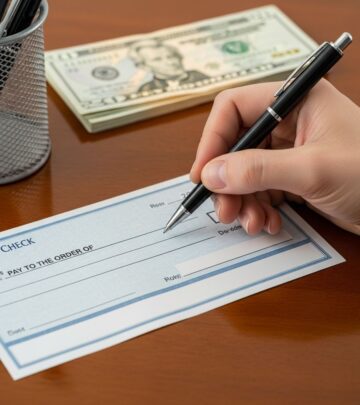
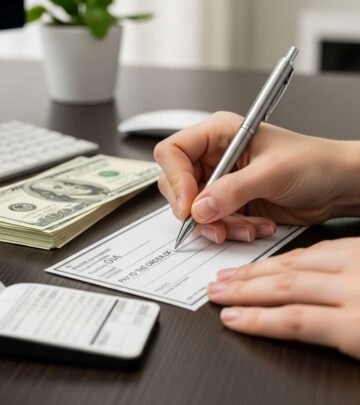
The “Pay to the order of” line requires you to write the name of the person or organization receiving the payment. Accuracy is crucial here—misspelling the payee’s name can create processing problems or allow the check to be misdirected. Use the exact legal name of the recipient whenever possible. For businesses, include the full company name rather than abbreviations.
Take particular care to write legibly in this section. Bank staff members rely on clear handwriting to ensure the check reaches the intended recipient. If your handwriting tends to be difficult to read, consider printing the name in block letters instead of using cursive script.
3. Entering the Numerical Amount
To the right of the payee line, you’ll find a small box designated for the numerical amount. Write the payment amount using numerals, including both dollars and cents. For example, if you’re paying fifty dollars and twenty-five cents, write “50.25” in this box. Always include two decimal places, even for whole dollar amounts—write “75.00” rather than “75.” This formatting prevents fraudsters from altering your check by adding zeros or other numbers.
Position your numerals as far left in the box as possible, then draw a line through any remaining space. This technique prevents someone from inserting additional digits before your amount. Double-check this numerical entry before proceeding to the next step, as errors in the amount can cause significant payment problems.
4. Writing Out the Payment Amount in Words
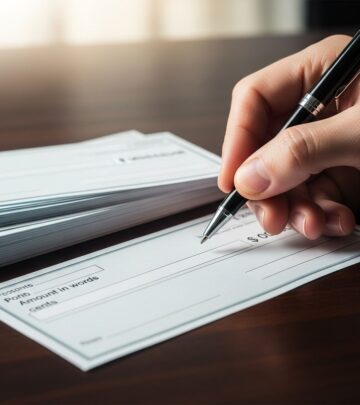
Directly below the payee line, you’ll encounter a longer line where you must write the payment amount in words. This line serves as a verification mechanism—if the numerical amount and written amount don’t match, banks typically honor the written amount. This step is critical for fraud prevention and accuracy confirmation.
To write the amount correctly, begin at the far left of the line and spell out the dollar amount, then add the word “dollars.” For amounts including cents, write the cent portion as a fraction over 100. For example, a check for seventy-five dollars and thirty cents would read “Seventy-five dollars and 30/100.” For whole dollar amounts, you can write either “Seventy-five dollars” or “Seventy-five dollars and 00/100” for additional clarity.
For larger amounts, spell out each component. A check for one thousand two hundred forty-three dollars and twenty cents would read “One thousand two hundred forty-three dollars and 20/100.” After completing the written amount, draw a line from the end of your words to the end of the line. This prevents anyone from adding additional words or amounts to your check.
5. Adding Optional but Helpful Memo Information
The memo line, typically located in the lower left corner of the check, gives you space to note the purpose of the payment. While this field is optional, completing it provides valuable record-keeping benefits. Write brief descriptions like “January Electric Bill” or “Monthly Rent Payment” to help you remember the check’s purpose when reviewing your statements later.
Some organizations request that you include account numbers or reference numbers in the memo field. If you need to include sensitive information, limit it to the last four to six digits of account numbers rather than writing full numbers. This security precaution protects your information if the check is lost or falls into unauthorized hands. Keep memo information concise and avoid including unnecessary personal details.
6. Authorizing the Payment with Your Signature
The signature line in the lower right corner is where you authorize the payment and take legal responsibility for the amount indicated. Your signature is a critical security feature—never sign a check before completing all other fields. Signing blank checks creates enormous risk, as anyone could fill in the payee and amount information and cash the check without your knowledge or permission.
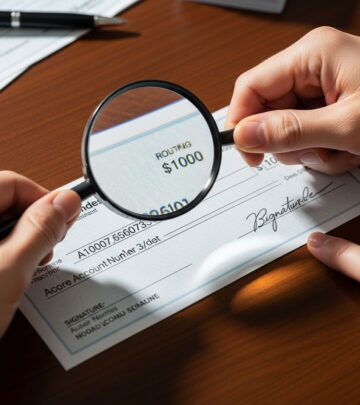
Before signing, conduct a thorough review of all information on the check. Verify that the payee name is spelled correctly, both the numerical and written amounts match exactly, and all required fields are completed. Only after confirming everything is correct should you apply your signature. Remember that by signing the check, you’re authorizing the payment and accepting full responsibility for the amount.
Security Practices for Check Writing
Protecting yourself from check fraud requires implementing several important security measures. These practices safeguard your account and prevent unauthorized use of your checks.
Writing Instrument Selection
Always use blue or black pen when writing checks—never use pencil. Pencil marks can be erased, making it possible for someone to alter the check amount or payee information after you’ve written it. Permanent ink makes unauthorized modifications visible and significantly more difficult to execute. Some people prefer blue ink specifically because it’s easier to distinguish original checks from photocopies.
Handwriting Quality Matters
Clear, legible handwriting prevents processing delays and reduces the likelihood of check rejection. Banks cite unclear writing as one of the primary reasons for check rejection and return. If you have naturally messy handwriting, dedicate extra time to printing in block letters rather than using cursive script. This small effort ensures your check processes smoothly and reaches the correct recipient.
Managing Voided Checks
Mistakes happen when writing checks. If you make an error that you can’t correct neatly, void the check by writing “VOID” across the front in large letters. Record the voided check in your check register, noting that it was voided. Keep the voided check safely stored in case questions arise later. Never discard voided checks, as they provide documentation of your banking activity and can help resolve discrepancies.
Maintaining Accurate Financial Records
Writing checks correctly is only half the equation—tracking them properly ensures you maintain accurate account records and catch errors quickly.
Check Register Documentation
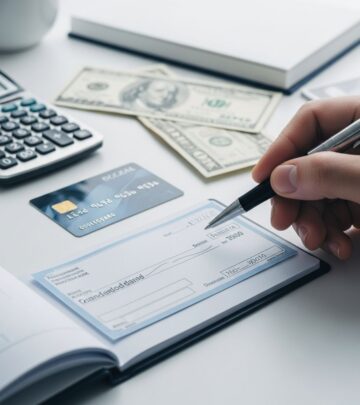
Your check register is your personal record of all check transactions. For each check, record the check number, date written, payee name, amount, and purpose. Many people prefer using a budgeting application or spreadsheet instead of the traditional paper register, which works equally well. Some individuals photograph checks before mailing them as additional backup documentation.
Statement Reconciliation
When you receive your bank statement—whether by mail or online—compare it carefully to your check register. Mark off each transaction that appears on both your statement and your register. Look for checks that haven’t cleared yet, as delays in processing are common. This reconciliation process catches errors, detects fraudulent activity, and ensures your account balance is accurate.
Common Check Writing Mistakes to Avoid
| Mistake | Consequence | Prevention Strategy |
|---|---|---|
| Mismatched amounts | Check rejection or processing delays | Verify numerical and written amounts match exactly |
| Illegible handwriting | Bank rejection or payment errors | Print clearly or use block letters |
| Missing payee name | Check cannot be processed | Always complete the “Pay to the order of” line |
| No signature | Check is not valid and cannot be cashed | Sign only after verifying all other information |
| Pencil usage | Check can be altered fraudulently | Always use permanent blue or black ink |
| Blank spaces | Information can be added by others | Draw lines through unused spaces |
Frequently Asked Questions About Check Writing
What should I do if I’ve already mailed a check with an error?
Contact the payee immediately to inform them of the error. Explain the issue and arrange for them to return the incorrect check so you can issue a corrected one. For significant errors in amount, your payee may prefer to destroy the incorrect check and wait for the correct one rather than process the erroneous payment.
Can I write a check to myself?
Yes, you can write a check to yourself, which is useful when you need to transfer funds between your own accounts or withdraw cash. Simply write your name on the “Pay to the order of” line and complete all other fields normally. You’ll then need to endorse the back of the check to deposit it into another account.
How long does a check remain valid?
While no law technically invalidates a check after a specific time period, most banks will not process checks that are more than six months old. Best practice is to present checks for deposit or cash within 90 days of the date written. If you receive an old check, contact the issuer for a replacement.
What’s the difference between a personal check and a cashier’s check?
A personal check is drawn on your own checking account, while a cashier’s check is issued by the bank itself, guaranteed by the bank’s funds rather than your account. Cashier’s checks are considered more secure and are often required for large transactions or when the recipient wants additional assurance of payment.
Should I be concerned about check fraud?
Check fraud remains a real concern, which is why implementing security measures is important. Never give blank signed checks to anyone, don’t leave checks in unsecured locations, and monitor your account statements regularly. If you suspect fraudulent check activity, contact your bank immediately.
Modern Alternatives to Consider
While check writing remains relevant, numerous digital payment alternatives now exist. Electronic transfers, mobile payment applications, and bill payment services through online banking offer faster, more convenient payment methods for many transactions. However, checks still serve important purposes in certain situations, such as paying contractors, making charitable donations, and conducting business transactions where paper documentation is preferred or required.
Conclusion: Mastering an Essential Financial Skill
Writing checks correctly combines attention to detail with understanding proper financial procedures. By following the six essential steps, implementing security measures, and maintaining accurate records, you ensure smooth transactions and protect your financial interests. Whether you’re a frequent check writer or use them occasionally, this comprehensive guide provides everything needed to handle check writing with confidence and accuracy.
References
- How To Write A Check: A Step-By-Step Guide — Bankrate. https://www.bankrate.com/banking/checking/how-to-write-a-check/
- How To Write a Check in 6 Simple Steps — PNC Insights. https://www.pnc.com/insights/personal-finance/spend/how-to-write-a-check-in-6-simple-steps.html
- How to write a check: A step-by-step guide — Citizens Bank. https://www.citizensbank.com/learning/how-to-write-check.aspx
- How to Write A Check: Fill Out A Check — Huntington Bank. https://www.huntington.com/learn/checking-basics/how-to-write-a-check
- How to write a check — Fidelity Investments. https://www.fidelity.com/learning-center/smart-money/how-to-write-a-check
Similar Articles








Read full bio of medha deb