Business Travel Planning: Complete Guide For Professionals
Unlock expert strategies to streamline your business trips from preparation to return, ensuring productivity and peace of mind every time.
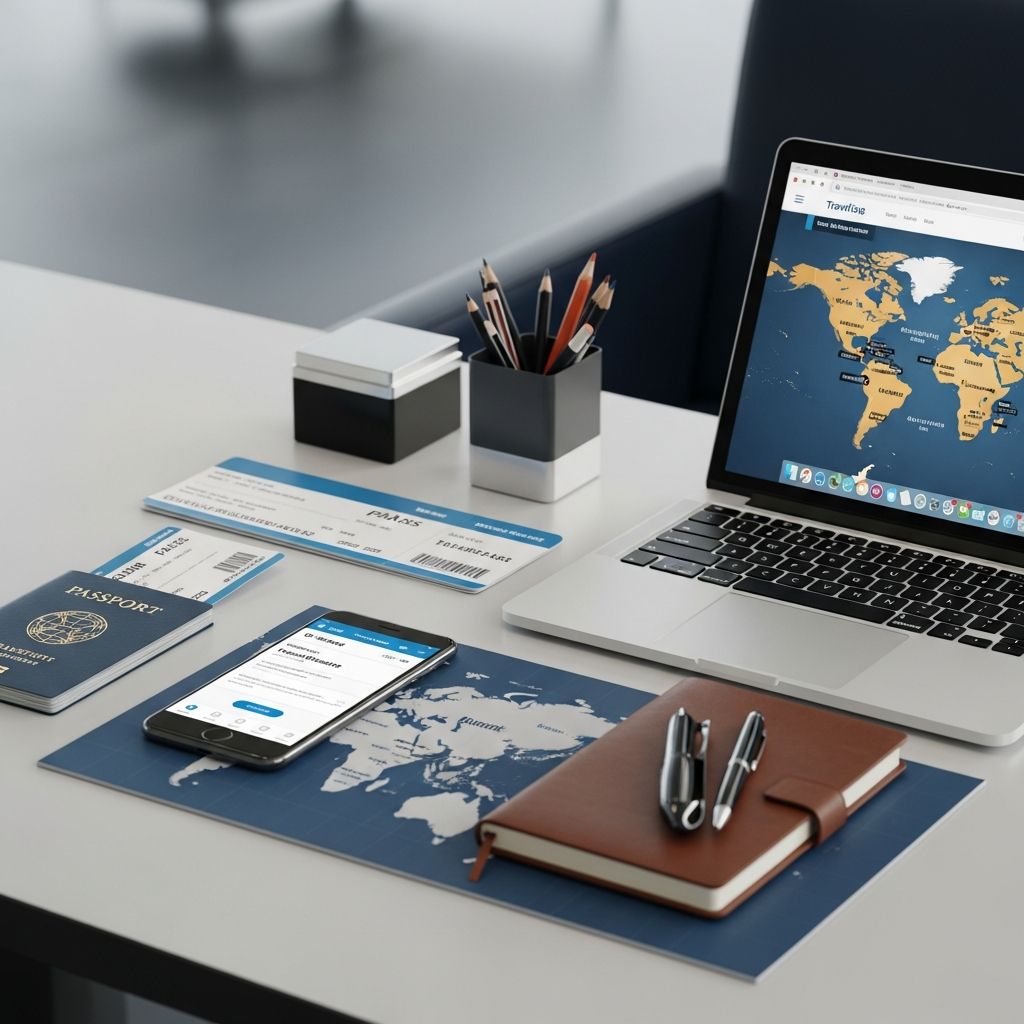
Mastering Business Travel Planning
Business travel demands precision and foresight to maximize productivity while minimizing disruptions. Effective planning transforms potential chaos into a streamlined experience, allowing professionals to focus on objectives rather than logistics. This guide outlines a comprehensive approach, drawing from established best practices to cover every phase of your journey.
Establishing a Strong Foundation Before Departure
The initial phase of any business trip involves aligning with organizational guidelines and personal readiness. Start by reviewing your company’s travel policies, which often dictate approved vendors, spending limits, and reimbursement procedures. Familiarizing yourself with these rules prevents costly mistakes and ensures compliance.
Next, verify key details such as trip dates, destinations, and allocated budgets. Confirming these elements early allows for realistic scheduling and avoids last-minute adjustments. Update all identification documents, including passports and driver’s licenses, well in advance—international trips may require visas with processing times of weeks or months.
Research your destination thoroughly: assess safety conditions via official advisories, check weather patterns, and identify local requirements like vaccinations or cultural norms. Tools like government travel websites provide reliable data for informed decisions on accommodations and transport.
Building an Efficient Itinerary
A detailed itinerary serves as the backbone of successful business travel. Outline all commitments—meetings, conferences, and networking events—with buffer time for delays, jet lag, or unexpected opportunities. Coordinate with traveling colleagues to synchronize schedules and shared logistics.
For transportation, propose options like flights or trains that fit policy constraints and timelines. Include ground transport from airports to hotels or venues, prioritizing reliability over cost alone. Accommodations should be proximate to key locations, with amenities supporting work needs like high-speed internet and quiet workspaces.
Dining plans merit attention too: scout options matching dietary preferences, budgets, and schedules. Reserve spots for group meals or client dinners to avoid availability issues. Incorporate personal time for rest or exercise to sustain energy levels throughout the trip.
Strategic Booking Practices
Once your itinerary gains approval, proceed to bookings using company-preferred platforms. These tools often integrate with expense systems, simplifying reporting later. Opt for flexible fares to accommodate changes, and leverage loyalty programs for perks without violating policies.
Reconfirm all reservations 24-48 hours prior, sharing details with colleagues and stakeholders. Digital apps like itinerary managers consolidate confirmations, flight updates, and maps into one accessible hub.
Essential Packing Strategies for Professionals
Packing efficiently balances necessity with minimalism. Create a categorized checklist to cover documents, attire, tech, and health items. Prioritize carry-on luggage to sidestep lost baggage risks.
- Documents: Passport/visa, itinerary prints/digital copies, ID, insurance proofs, business cards, and emergency contacts.
- Business Attire: Versatile suits (1-2), dress shirts/blouses, ties/belts, comfortable dress shoes, casual options for downtime.
- Tech Gear: Laptop/tablet, chargers, adapters, portable power bank, headphones, external drives for backups.
- Personal Care: Medications, toiletries (TSA-compliant), laundry bag, workout clothes.
- Miscellaneous: Snacks, gum, downloaded entertainment, umbrella/outerwear based on weather.
Use packing cubes for organization and roll clothes to save space. Test all electronics beforehand.
Packing Comparison Table
| Category | Short Trip (1-2 Days) | Extended Trip (3+ Days) |
|---|---|---|
| Attire | 1 suit, 2 shirts, 1 pair shoes | 2 suits, 4 shirts, 2 pairs shoes |
| Tech | Laptop + charger | Laptop, tablet, extra batteries |
| Documents | Digital + 1 print | Full folder + backups |
Prioritizing Health, Safety, and Compliance
Safety underpins every trip. Enroll in traveler assistance programs, share your itinerary with trusted contacts, and secure comprehensive insurance covering medical emergencies and trip interruptions. For international travel, register with your government’s alert system.
Health preparations include vaccinations, medications, and masks if required. Stay hydrated, move during flights, and adapt to time zones gradually. If accompanied by a service animal, verify airline policies.
Managing Expenses with Precision
Expense tracking starts pre-trip. Use apps integrated with your company’s system to log spends in real-time, capturing receipts via photo uploads. Categorize outlays accurately—meals, transport, lodging—to expedite reimbursements.
Set a daily per diem if applicable, and avoid personal cards for business costs. Post-trip, reconcile statements promptly to close out reports efficiently.
During the Trip: Execution and Adaptation
Arrival demands immediate organization. Use ride-sharing or pre-booked transfers for seamless transit. At hotels, confirm workspaces and Wi-Fi speeds. Stick to your itinerary but remain flexible for opportunities or issues.
Network effectively: exchange digital business cards via apps, follow up promptly. Capture notes and photos for debriefs. Balance work with wellness—short walks or gym sessions recharge focus.
Post-Trip Debrief and Optimization
Return isn’t the end; it’s a learning opportunity. Review expenses, file reports, and note successes/challenges. Update your personal checklist with insights, like preferred vendors or overlooked items. Share feedback with your team to refine future policies.
Frequently Asked Questions
What is the most important item to pack for a business trip?
Your identification and itinerary—without them, travel halts immediately.
How early should I book flights for business travel?
Ideally 4-6 weeks ahead for best rates and availability, per company policy.
Should I pack workout clothes?
Yes, for maintaining routines and combating travel fatigue.
How do I handle international currency?
Use no-fee cards or apps; exchange minimally at destination ATMs.
What if my luggage is delayed?
Carry essentials in your personal item; use hotel laundry services.
This structured approach ensures business trips enhance rather than hinder performance. Implement these steps consistently for mastery over travel demands.
References
- A “Before You Go” Checklist for Business Travelers — SAP Concur. 2023. https://www.concur.com/blog/article/before-you-go-checklist-for-business-travelers
- The Complete Business Travel Checklist — Perk. 2023. https://www.perk.com/blog/the-business-travelers-checklist/
- The complete business travel checklist — Booking.com for Business. 2023. https://business.booking.com/en-us/business-travel-resources/blog/the-complete-business-travel-checklist/
- What To Take on a Work Trip: Business Trip Packing List — Indeed. 2023. https://www.indeed.com/career-advice/career-development/packing-list-for-a-business-trip
- The Ultimate Packing Checklist for Business Travelers — Mango Hill Hotels. 2023. https://www.mangohillhotels.com/blog/the-ultimate-packing-checklist-for-business-travelers.html
Similar Articles








Read full bio of Sneha Tete