Business Travel 2026: Essential Strategies For Smarter Trips
Unlock essential strategies for efficient, sustainable, and productive business trips in the evolving landscape of 2026.
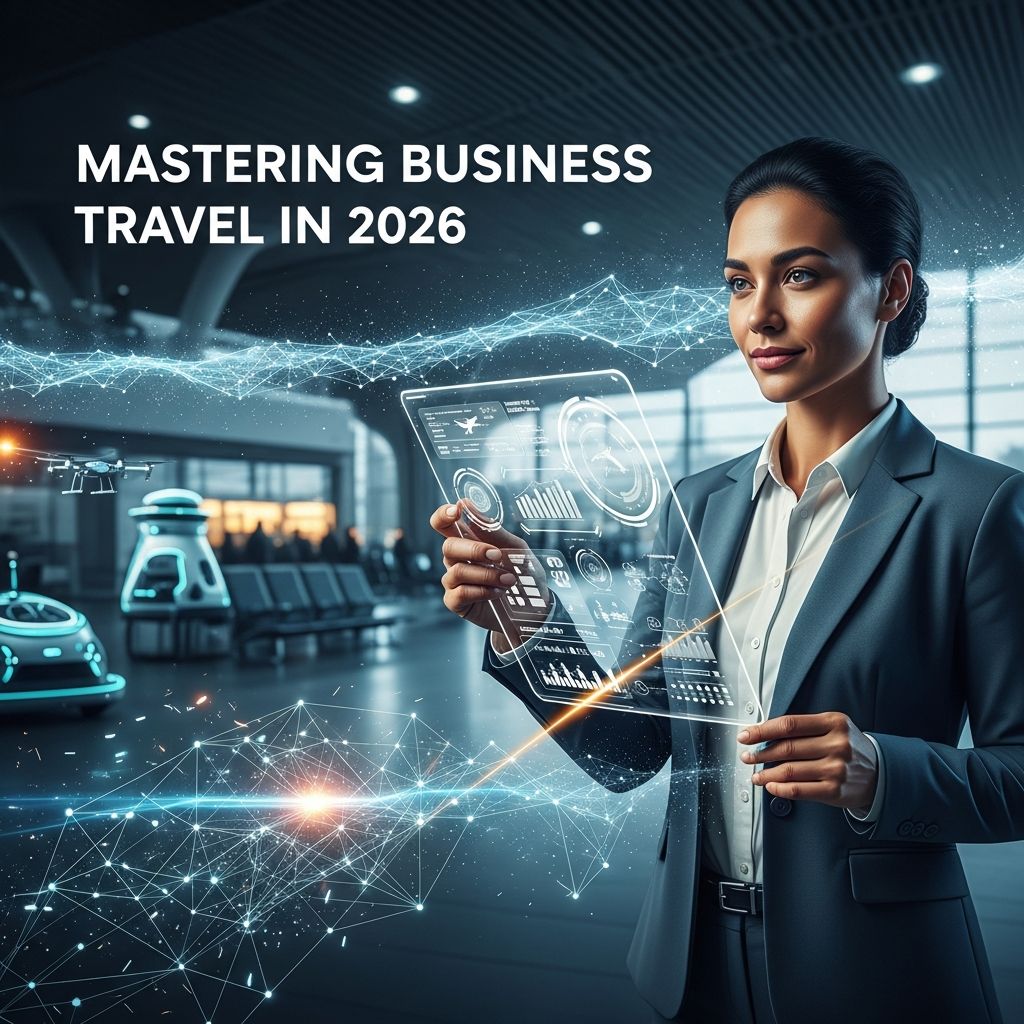
Mastering Business Travel in 2026
Business travel in 2026 demands a blend of adaptability, technology, and foresight as hybrid work, sustainability mandates, and economic pressures reshape the landscape. Professionals must prioritize efficiency, environmental responsibility, and personal well-being to maximize value from every trip.
Embracing Hybrid Models and Bleisure Opportunities
Hybrid work environments have transformed traditional business itineraries, allowing seamless integration of professional duties with personal downtime. This shift enables travelers to extend trips without sacrificing productivity, fostering what experts call bleisure travel—combining business with leisure.
Companies increasingly anchor trips to hybrid schedules, where office days blend with remote work and short excursions. This approach supports multifunctional journeys that build relationships and close deals while accommodating flexibility. For instance, employees can attend meetings in the morning and explore local attractions in the evening, enhancing job satisfaction and retention, particularly among younger talent.
- Plan trips around hybrid weeks to minimize disruptions.
- Extend stays for leisure to recharge and improve performance—98% of travelers report positive work impacts from this practice.
- Negotiate policies that support bleisure to attract top performers.
Prioritizing Sustainability in Travel Policies
Sustainability is no longer optional; it’s a core driver of corporate travel strategies. With 76% of travelers favoring eco-friendly options, organizations are aligning with ESG goals through carbon tracking, low-emission transport, and regional travel. Proximity power—opting for nearby destinations—reduces footprints while maintaining efficiency.
Regulatory pressures and employee expectations push firms toward greener choices. Rail travel emerges as a strategic alternative for cost, comfort, and emissions savings. Businesses partnering with eco-conscious suppliers see enhanced reputations and compliance.
| Trend | Benefits | Implementation Tips |
|---|---|---|
| Proximity Travel | Lower emissions, cost savings | Choose regional hubs over long-haul flights |
| Rail Integration | Comfort, reduced carbon | Prioritize high-speed lines for mid-distance trips |
| Carbon Budgets | ESG compliance, tracking | Use AI tools for real-time emissions monitoring |
Leveraging AI and Automation for Seamless Journeys
AI stands as the dominant force in 2026 travel management, anticipating needs, streamlining bookings, and eliminating friction. From biometric check-ins to predictive itineraries, tech-savvy solutions optimize every step. Human-centric AI enhances experiences without replacing personal service.
Travel managers use automation for smarter routing, expense handling, and real-time support. This frees professionals to focus on high-value interactions. Nomadic workers benefit from AI-driven visibility into policies, logistics, and safety.
- Adopt AI platforms for proactive itinerary adjustments.
- Integrate chatbots for 24/7 assistance on visas and disruptions.
- Ensure data security in digital tools amid rising cyber risks.
Navigating Budgets Amid Rising Costs
Corporate travel budgets are projected to rise 5% in 2026, with Europeans anticipating 5.8% growth. Yet, affordability tops concerns at 70%, followed by visas (65%) and safety (56%). High hotel rates, stabilizing airfares, and sustainability investments strain programs.
Smart strategies include domestic focus, tech investments, and rail shifts for optimization. Prioritizing intentional trips ensures ROI despite constraints.
Enhancing Traveler Safety and Global Resilience
Geopolitical shifts, border policies, climate disruptions, and digital risks complicate connectivity. U.S. buyers emphasize affordability (76%) and permissions (57%). Real-time support, clear policies, and structured guidance build confidence.
- Monitor geopolitical updates via official channels.
- Secure comprehensive insurance covering health and evacuations.
- Use apps for live safety alerts and emergency contacts.
Boosting Productivity with Intentional Planning
Intentional travelers approach trips with purpose—building networks, driving initiatives. Visibility into expenses, logistics, and protocols empowers Gen Z and Millennials. Blended experiences improve outcomes, with frequent bleisure practitioners noting performance gains.
Tech-driven meetings, personalized executive travel, and DEI-accessible options redefine gatherings.
Optimizing Accommodations and Transportation
Hotel rates remain elevated, especially in the U.S., while airfares stabilize. NDC adoption bridges airlines and corporates for better rates. Rail gains traction for sustainability.
| Option | Pros | Cons | Best For |
|---|---|---|---|
| High-Speed Rail | Low emissions, comfort | Limited long-haul | Regional trips |
| Domestic Flights | Speed, availability | Higher costs | Time-sensitive |
| Bleisure Hotels | Flexibility, amenities | Premium pricing | Extended stays |
Building Loyalty and Personalization
Loyalty programs regain focus amid personalization demands. Hyper-personalized journeys blend business and leisure for executives. Data-informed choices create meaningful outcomes.
Addressing Diversity, Equity, and Inclusion
DEI progresses in accessible travel, closing gaps for diverse needs. Inclusive policies enhance global participation.
FAQs
What is bleisure travel?
Bleisure combines business and leisure, extending work trips for relaxation to boost satisfaction and productivity.
How can AI improve business trips?
AI streamlines bookings, predicts needs, and provides real-time support, reducing friction.
Why focus on sustainable travel?
It aligns with ESG, meets traveler preferences (76%), and cuts costs via proximity options.
What are top 2026 concerns?
Affordability (70%), visas (65%), and safety (56%) lead worries.
Will budgets increase?
Yes, by about 5% overall, driven by demand and sustainability.
Key Takeaways for 2026
- Integrate bleisure and hybrid models for engagement.
- Prioritize ESG with rail and regional choices.
- Harness AI for efficiency and resilience.
- Manage budgets through data and intentionality.
- Ensure safety amid global complexities.
References
- Top Business Travel Trends 2026 — SIXT. 2026. https://www.sixt.com/business/business-travel/trends/
- Business travel in 2026: key trends shaping the next 12 months — Reed & Mackay. 2026. https://reedmackay.com/us/business-travel-trends-in-2026-whats-next
- What’s Ahead for Business Travel in 2026 — Delta Travel. 2026. https://www.dt.com/blog/whats-ahead-for-business-travel-in-2026/
- The Intentional Traveler: Navigating 2026 & Beyond — Business Travel Executive. 2026. https://www.businesstravelexecutive.com/special-report/the-intentional-traveler-navigating-2026-beyond/
- Heading into 2026: Strong Business Travel Confidence, yet Constraint — Midwest Meetings. 2026-01-29. https://midwestmeetings.com/2026/01/29/strong-business-travel-confidence/
- Clear Skies for Corporate Travel in 2026 — Morgan Stanley. 2026. https://www.morganstanley.com/insights/articles/corporate-travel-trends-2026
Similar Articles





Read full bio of Sneha Tete