Mastering Budgets: Fixed vs Variable Expenses
Learn to categorize, track, and control fixed and variable expenses for a balanced financial life and lasting stability.
Effective financial management hinges on understanding the distinction between
fixed expenses
andvariable expenses
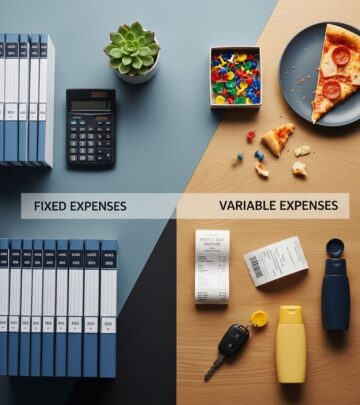
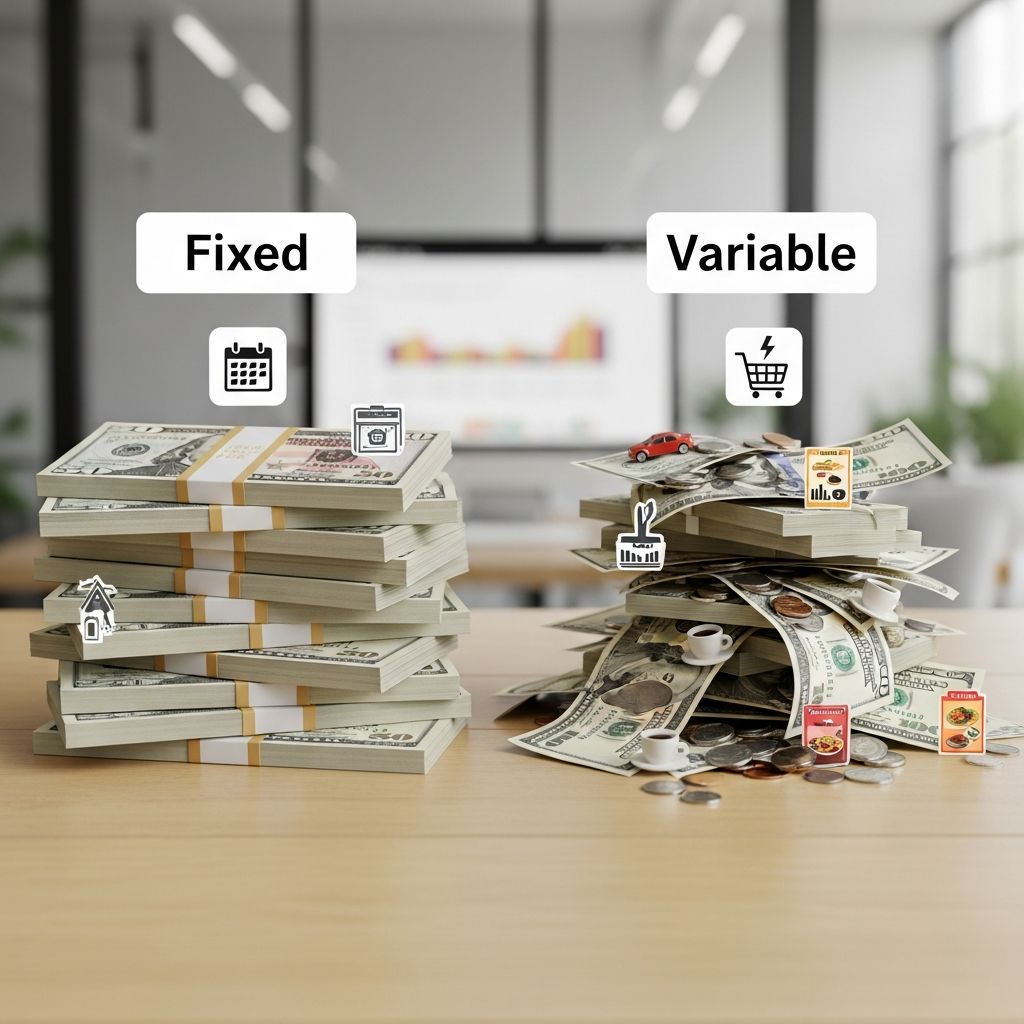
. Fixed costs remain constant month after month, providing predictability, while variable costs fluctuate based on usage or decisions, demanding flexibility. This guide explores these categories in depth, offering actionable steps to categorize, budget, and optimize your spending for long-term financial health.Understanding the Core Differences Between Expense Types
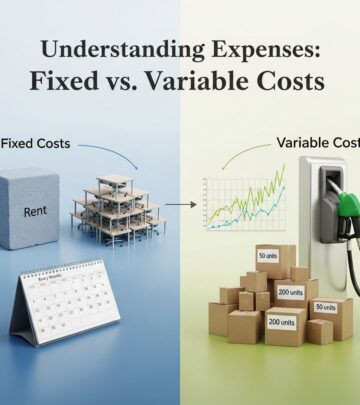
Fixed expenses are recurring payments that do not change in amount or frequency, such as rent or loan installments. They form the backbone of your budget because they are often non-negotiable essentials. In contrast, variable expenses shift with lifestyle choices or external factors, like grocery bills or entertainment outings.
Recognizing these differences is crucial. Fixed costs allow for straightforward planning, while variable ones require monitoring to prevent overspending. For instance, a mortgage payment stays at $1,500 monthly regardless of habits, but fuel costs might swing from $100 to $300 based on travel.
| Expense Type | Characteristics | Examples |
|---|---|---|
| Fixed | Consistent amount and timing | Rent, insurance premiums, subscriptions |
| Variable | Fluctuates monthly | Utilities, dining out, clothing |
Identifying Fixed Expenses in Your Financial Picture
Start by reviewing bank statements and bills to pinpoint fixed expenses. Common ones include housing costs, car loans, and minimum debt payments. These often represent 50% or more of income, so prioritizing them prevents financial strain.
- Housing: Mortgage or rent payments.
- Transportation: Auto loans or leases.
- Insurance: Health, auto, or home policies.
- Debt: Minimum credit card or student loan payments.
- Savings: Automated transfers to emergency funds.
Some fixed costs offer wiggle room, like gym memberships or streaming services, which can be canceled if unused.
Unpacking the Nature of Variable Expenses
Variable expenses arise from daily choices and necessities that vary. Groceries might average $400 but spike during holidays, while gas depends on mileage. These costs demand vigilance as they can erode budgets quickly.
- Food: Groceries and eating out.
- Utilities: Electricity and water based on usage.
- Transportation: Gas and maintenance.
- Personal: Clothing, hobbies, gifts.
To budget effectively, calculate averages from past statements. For example, sum 12 months of grocery spending and divide by 12 for a baseline figure.
Step-by-Step Guide to Building Your Expense Breakdown
Creating a comprehensive list is the foundation of smart budgeting. Follow these steps to map your finances.
- Calculate Net Income: Use take-home pay after taxes. For irregular income, average the past year’s total divided by 12.
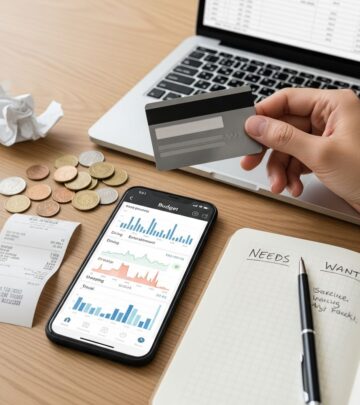
- Track All Spending: Use apps or spreadsheets to log every transaction for 1-3 months.
- Categorize Ruthlessly: Sort into fixed and variable, then needs vs. wants.
- Average Variables: Review historical data for realistic estimates.
- Set Allocations: Assign percentages or dollar limits per category.
This process reveals spending patterns, such as overspending on takeout disguised as groceries.
Proven Budgeting Frameworks for Expense Control
Adopt structured models to allocate funds wisely. The
50/30/20 rule
directs 50% to needs (mostly fixed), 30% to wants (variable), and 20% to savings/debt.Alternatives include:
- Zero-Based Budgeting: Assign every dollar a job until income minus expenses equals zero.
- Envelope System: Use cash envelopes for variable categories to enforce limits.
- Pay Yourself First: Fund savings before discretionary spending.
Apps like those from major banks automate categorization and reminders, enhancing adherence.
Practical Ways to Trim Fixed Expenses
Even stable costs can be reduced with proactive steps. Annual reviews uncover savings opportunities.
- Negotiate Rates: Call providers for discounts on insurance or loans.
- Bundle Services: Combine internet, cable, and phone for lower fixed fees.
- Refinance Debts: Secure lower interest rates on mortgages or auto loans.
- Audit Subscriptions: Cancel unused services like multiple streaming platforms.
- Level Payments: Average utility bills seasonally for consistent amounts.
One individual saved hundreds by switching to a averaged electric plan after a high-usage month.
Strategies to Reign in Variable Spending
Variable costs respond to habits. Set weekly caps and track in real-time.
- Meal Planning: Shop with lists to cut grocery waste and impulse buys.
- Energy Conservation: Use LED bulbs and smart thermostats to lower bills.
- Public Transit: Reduce gas by carpooling or biking.
- Free Entertainment: Opt for parks or libraries over paid outings.
- Impulse Caps: Wait 24 hours before non-essential purchases.
These tweaks can yield 10-20% monthly savings on variables.
Leveraging Tools and Technology for Smarter Budgeting
Modern apps simplify tracking. Features include auto-categorization, alerts, and visualizations.
- Bank apps for transaction breakdowns.
- Dedicated tools for goal-setting and forecasting.
- Spreadsheets for custom models.
Integrate with accounts for hands-free monitoring, freeing time for analysis.
Overcoming Common Budgeting Challenges
Irregular income? Use conservative averages and build buffers. Low income? Prioritize fixed essentials and slash wants. Life changes like job loss require immediate reevaluation.
Track progress monthly, adjusting for inflation or goals like home buying.
Long-Term Benefits of Disciplined Expense Management
Mastering these expenses builds wealth. Consistent savings compound, debt shrinks, and stress fades. Aim for an emergency fund covering 3-6 months of fixed costs.
Frequently Asked Questions
What percentage of income should go to fixed expenses?
Ideally under 50%, leaving room for variables and savings per the 50/30/20 guideline.
How do I handle seasonal variable spikes?
Average over 12 months and save extras from low months in a sinking fund.
Are savings considered a fixed expense?
Yes, treat automated transfers as fixed to prioritize them.
Can variable expenses become fixed?
Sometimes, like averaging utilities or subscribing to meal kits.
What if my fixed expenses exceed income?
Cut non-essentials, negotiate, or seek income boosts immediately.
References
- Easy Budgeting Tips to Manage Fixed and Variable Costs — Mutual of Omaha. 2023. https://www.mutualofomaha.com/advice/financial-planning/financial-planning-basics/easy-budgeting-tips-to-manage-fixed-and-variable-costs
- Budgeting 101: Comparing Fixed and Variable Costs — Wellby Financial. 2024. https://www.wellbyfinancial.com/blog/comparing-fixed-variable-costs/
- How to Budget for Fixed and Variable Expenses — Experian. 2025-02-01. https://www.experian.com/blogs/ask-experian/how-to-budget-for-fixed-and-variable-expenses/
- How Can I Plan for Variable and Fixed Expenses? — NerdWallet. 2024. https://www.nerdwallet.com/finance/learn/what-are-variable-expenses
- Your guide to creating a budget plan — Bank of America Better Money Habits. 2025. https://bettermoneyhabits.bankofamerica.com/en/saving-budgeting/creating-a-budget
Similar Articles








Read full bio of Sneha Tete