Mastering Budget Control in 2026
Discover proven strategies to create a flexible, goal-driven budget that keeps your finances on track throughout 2026.
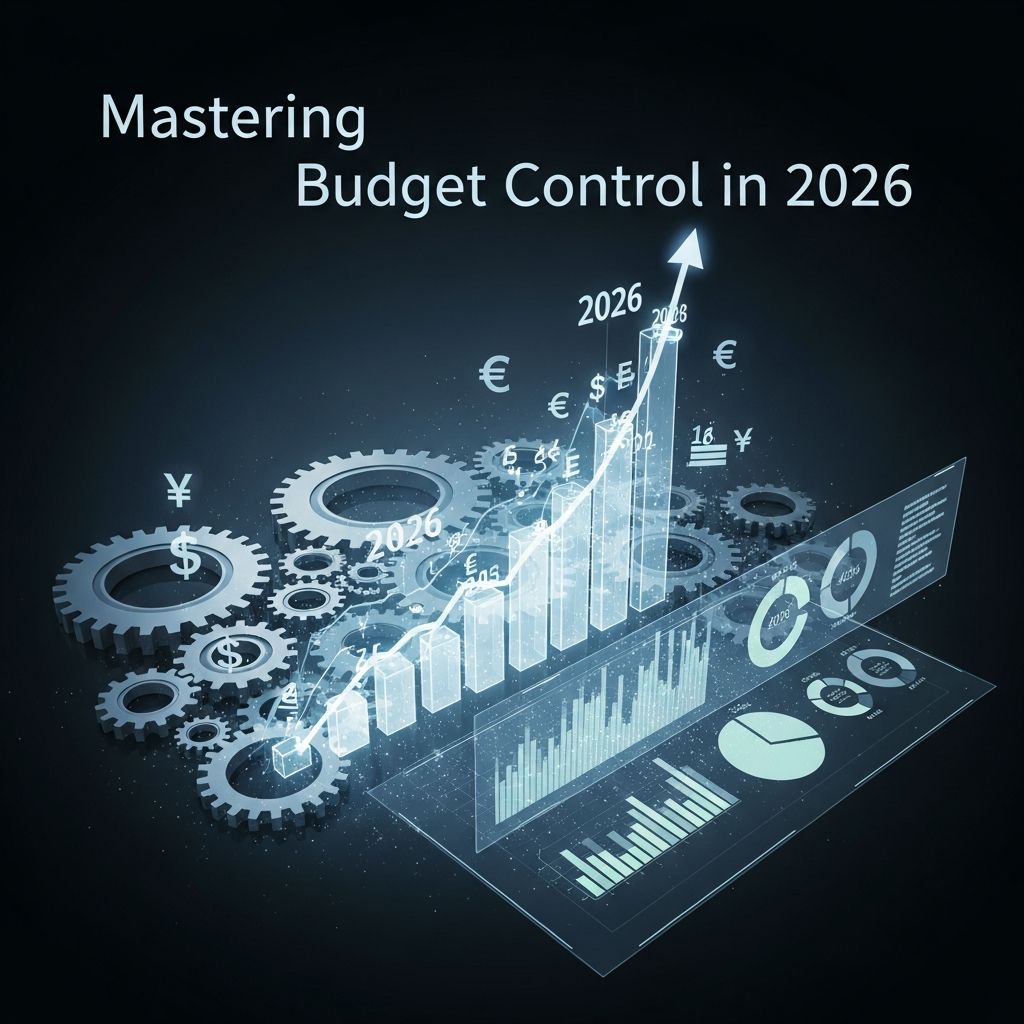
Effective budgeting forms the foundation of financial stability, especially in a year like 2026 marked by economic shifts and rising costs. By adopting structured approaches, individuals can align their spending with priorities, adapt to changes, and achieve lasting security. This guide outlines comprehensive methods to develop and sustain a budget that works for your lifestyle.
Assessing Your Financial Starting Point
Begin by conducting a thorough review of your current financial health. Gather data on income from all sources, including salaries, freelance work, or investments, and list every expense over the past few months. This snapshot reveals patterns, such as overspending on dining out or underutilizing savings opportunities.
Calculate your net cash flow by subtracting total expenses from income. A positive surplus indicates room for savings or debt reduction, while a deficit signals the need for immediate adjustments. Tools like spreadsheets or apps simplify this process, categorizing expenditures into essentials like housing and groceries versus discretionary items like entertainment.
- Collect bank statements and receipts for accuracy.
- Identify fixed costs (rent, utilities) versus variable ones (groceries, fuel).
- Spot recurring leaks, such as unused subscriptions.
Defining Achievable Financial Objectives
Clear goals transform budgeting from a chore into a purposeful activity. Specify targets like saving for a home down payment, paying off credit card debt, or funding a vacation. Make them SMART: Specific, Measurable, Achievable, Relevant, and Time-bound. For instance, aim to save $5,000 by December 2026 through monthly contributions of $420.
Link these objectives to broader life plans. If career advancement is a priority, allocate funds for professional development courses. This alignment ensures every dollar supports progress rather than random spending.
Implementing Proven Budgeting Frameworks
Popular frameworks provide guardrails for spending. The
50/30/20 rule
divides after-tax income into 50% for needs (rent, food, transport), 30% for wants (hobbies, dining), and 20% for savings and debt repayment. It’s flexible and beginner-friendly.For higher-cost environments, consider the
70/20/10 variant
: 70% needs, 20% savings, 10% wants. This adjustment accounts for inflation pressures in 2026.| Category | 50/30/20 Rule | 70/20/10 Rule |
|---|---|---|
| Needs | 50% | 70% |
| Wants | 30% | 10% |
| Savings/Debt | 20% | 20% |
Customize based on your situation. High-debt individuals might shift more to repayment, while savers could boost the financial security portion.
Tracking Expenses with Precision
Consistent monitoring prevents budget drift. Use digital tools to log transactions in real-time, assigning each to a category. Weekly reviews catch issues early, like creeping grocery bills.
Review spending patterns monthly. Compare actuals against projections and adjust categories as needed. Automation, such as bank alerts for low balances, enhances accountability.
- Employ apps that sync with accounts for effortless categorization.
- Set spending caps per category with visual progress bars.
- Conduct variance analysis: explain deviations over 10% of planned amounts.
Building Resilience Against Surprises
Life’s unpredictability demands preparation. Aim for an emergency fund covering 3-6 months of living expenses, starting with $1,000 as a buffer. Contribute incrementally, automating transfers post-payday.
Anticipate irregular costs like annual insurance premiums by dividing them monthly. For 2026, factor in potential rises in energy or healthcare due to market trends. Reserve 5-10% of income as a contingency.
Reducing Costs Without Sacrificing Joy
Trimming involves intentional choices. Audit discretionary spending: implement a 48-hour wait on non-essentials to curb impulses. Shift to home-cooked meals, planning weekly menus to slash food costs by 20-30%.
Explore free alternatives: library books over purchases, community events over paid outings. Negotiate bills for services like internet or insurance, potentially saving hundreds annually.
- Batch errands to minimize fuel use.
- Buy generics and seasonal produce.
- Cancel underused memberships.
Leveraging Technology and Automation
Modern tools streamline adherence. Budgeting apps forecast balances, send reminders, and gamify progress. Link savings accounts for round-up features, turning spare change into investments.
Automate bill payments and savings transfers on payday. This ‘pay yourself first’ tactic ensures priorities are met before temptations arise.
Reviewing and Refining Quarterly
Treat your budget as dynamic. Quarterly check-ins assess progress against goals, incorporating life changes like raises or family additions. Use rolling forecasts: update projections based on recent data for relevance.
Stress-test scenarios: what if income drops 20%? Adjust allocations proactively. Celebrate milestones to maintain motivation.
Overcoming Psychological Barriers
Budget fatigue is common; counter it with accountability partners or financial communities. Frame budgeting as empowerment, not restriction. Small wins build momentum.
Address emotional spending by journaling triggers and alternatives, like walks instead of retail therapy.
FAQs
What if my expenses exceed income?
Prioritize essentials, cut wants temporarily, and seek side income. Use the 50/30/20 as a reset point.
How much should I save monthly?
Start with 10-20% of income, scaling as debt clears. Automate to make it effortless.
Is the 50/30/20 rule suitable for everyone?
It’s adaptable; high-cost areas may need the 70/20/10 tweak.
How do I handle variable income?
Budget based on lowest expected earnings, banking extras in savings.
What’s the best app for beginners?
Options with auto-categorization and goal tracking suit novices well.
Consistent application of these strategies fosters financial confidence. By 2026’s end, you’ll likely see reduced stress and tangible growth.
References
- Build a Smarter 2026 Budget: 4 Steps for Success — Accounting Department. 2025-12-15. https://www.accountingdepartment.com/blog/build-a-smarter-2026-budget-4-steps-for-success
- 6-Step Financial Plan for 2026 — DFPI (CA.gov). 2025-11-20. https://dfpi.ca.gov/news/insights/6-step-financial-plan-for-2026/
- Budget Smarts in 2026: How the 50/30/20 Rule Works — Centier Bank. 2025-12-10. https://www.centier.com/resources/articles/article-details/budget-smarts-in-2026–how-the-50-30-20-rule-works
- How to Budget Your Money in 2026 — NewRez. 2025-12-05. https://www.newrez.com/blog/self-help-articles/how-to-budget-your-money-in-2026/
- Why Budgeting Matters More Than Ever in 2026 — FocusCFO. 2025-11-28. https://www.focuscfo.com/blog/importance-budgeting-2026-considerations
Similar Articles








Read full bio of medha deb